Builders Risk Insurance for a Homeowner: Renovation or New Build, Who Buys It, and How Long It Lasts
Riskado
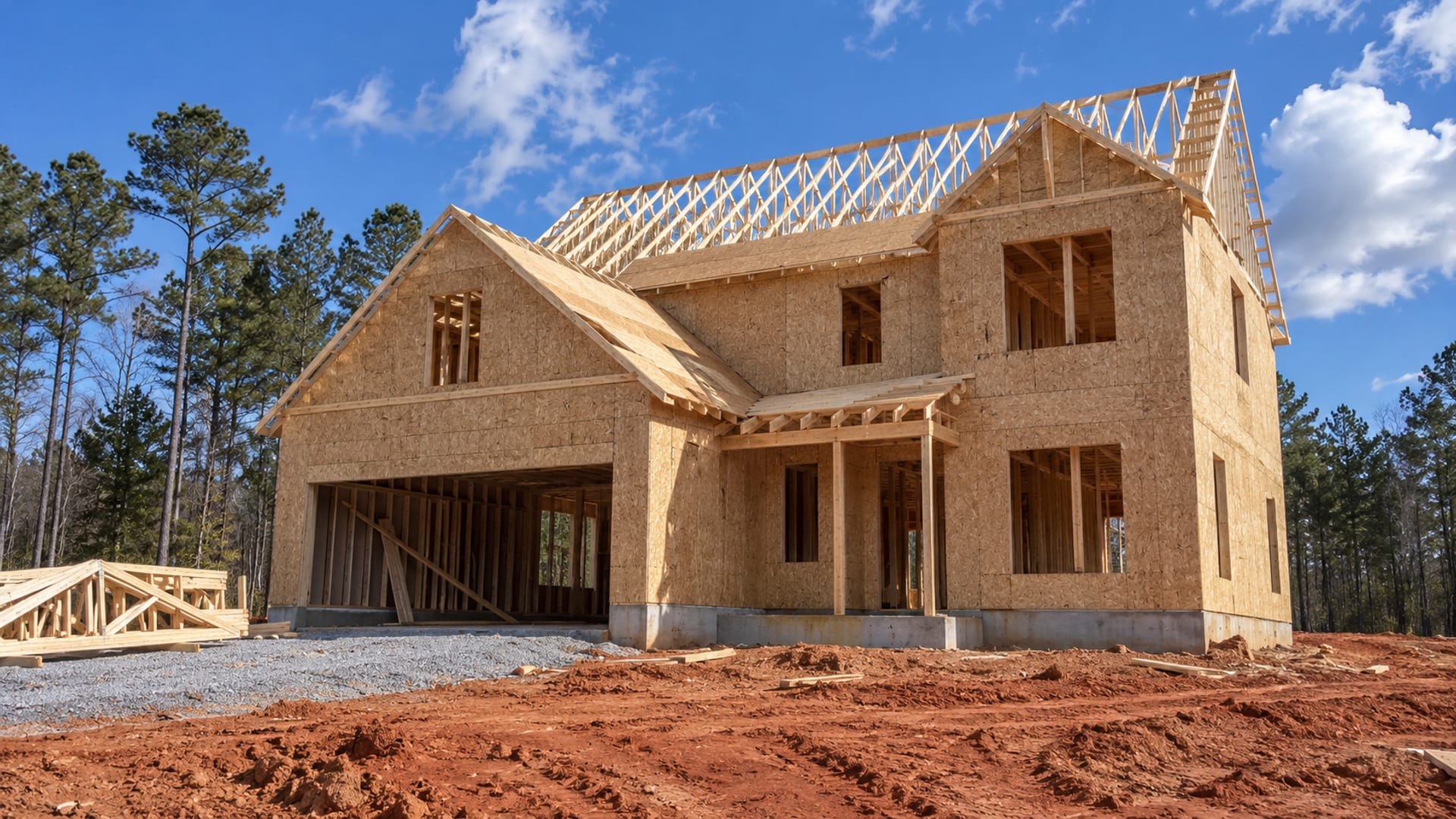
Builders risk insurance is property coverage for a building while it is being built, and it can also cover an existing home that is being added to, altered or repaired. It insures against loss to buildings in the course of construction, including machinery, equipment and materials used in the work, according to the NAIC glossary (opens in a new tab). Whether you need it, who buys it and who pays are set by your construction contract, your lender's conditions and the policy itself. Before work starts, ask your homeowners insurer in writing how it treats the project, and put construction coverage in place before materials arrive on site.
Key takeaways
- What it isProperty coverage for a building while it is being built, and for an existing home being added to, altered or repaired.
- What it can coverThe building in progress, plus machinery, equipment and materials used in the work.
- Who decidesYour construction contract, your lender's conditions and the policy set whether you need it, who buys it and who pays.
- Before work startsAsk your homeowners insurer in writing how it treats the project.
- TimingPut construction coverage in place before materials arrive on site.
What does builders risk insurance cover?
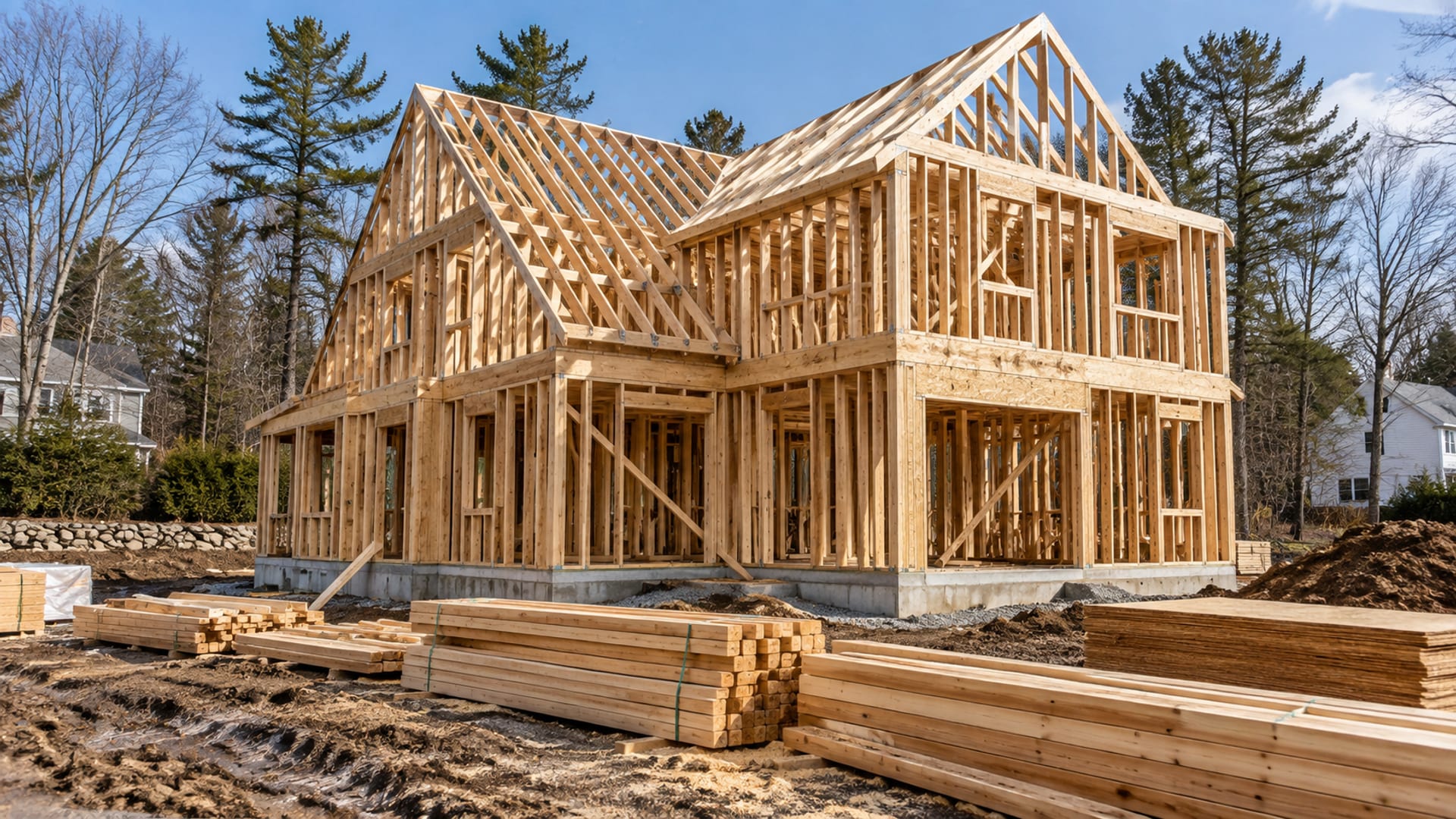
Builders risk covers the house as it goes up. A building under construction has an ever-increasing value as more of it is completed, and the policy is set up to follow that value, according to the Insurance Information Institute (opens in a new tab). In its example, a tornado hits a building that is three-fourths finished, and the policy covers three-fourths of the completed value.
The coverage also reaches the things that become part of the house. Builders risk covers property, construction materials, supplies and equipment during construction or significant renovation, according to the New York Department of Financial Services (opens in a new tab). Lumber stacked in the driveway, windows waiting to be installed and fixtures delivered ahead of the finish work are the kind of property a homeowner worries about, and the policy describes which of them it covers and where.
Policies are written in two common ways. A completed-value form insures the project at its finished value from the start, while a reporting form has the insured value reported as construction advances, according to the NAIC. Ask which one you are being offered, because it changes how the limit is set and how the premium is figured.
Is builders risk needed for a renovation or only a new build?
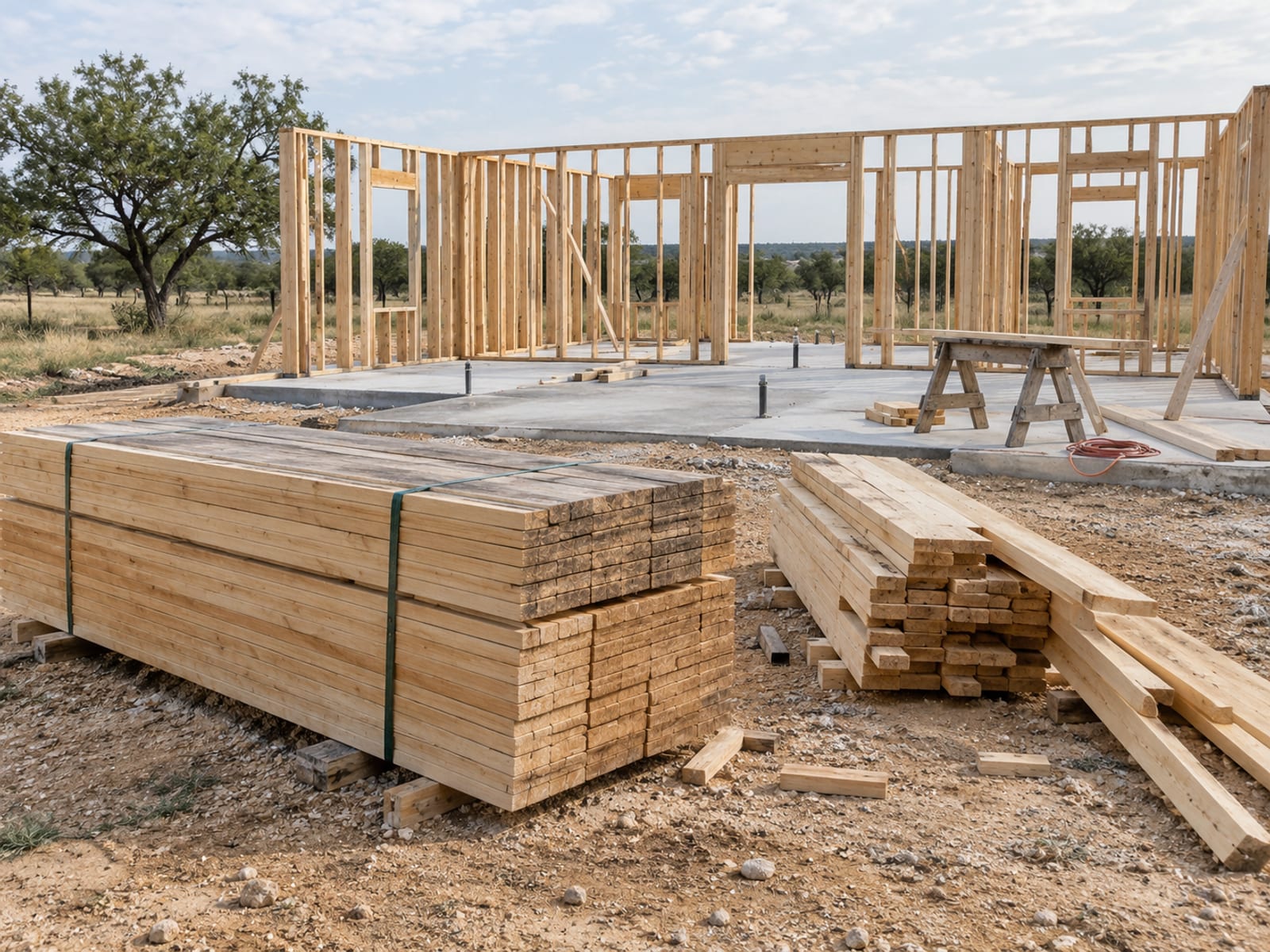
Both. Builder's risk covers a new building under construction, or an existing structure being added to, altered or repaired, according to the California Department of Insurance commercial insurance guide (opens in a new tab). A ground-up new home is the clearest case. An addition, a gut renovation or a project that leaves the house empty for months raises the same question, because the project adds value and exposure that the homeowners policy was not written around.
Smaller jobs are different. A bathroom remodel by a contractor who carries the right insurance may never call for a separate policy. The size of the project, how long it runs, whether you live in the house during the work and what your homeowners insurer says about it decide whether builders risk comes into play.
Do you need builders risk and homeowners insurance at the same time?
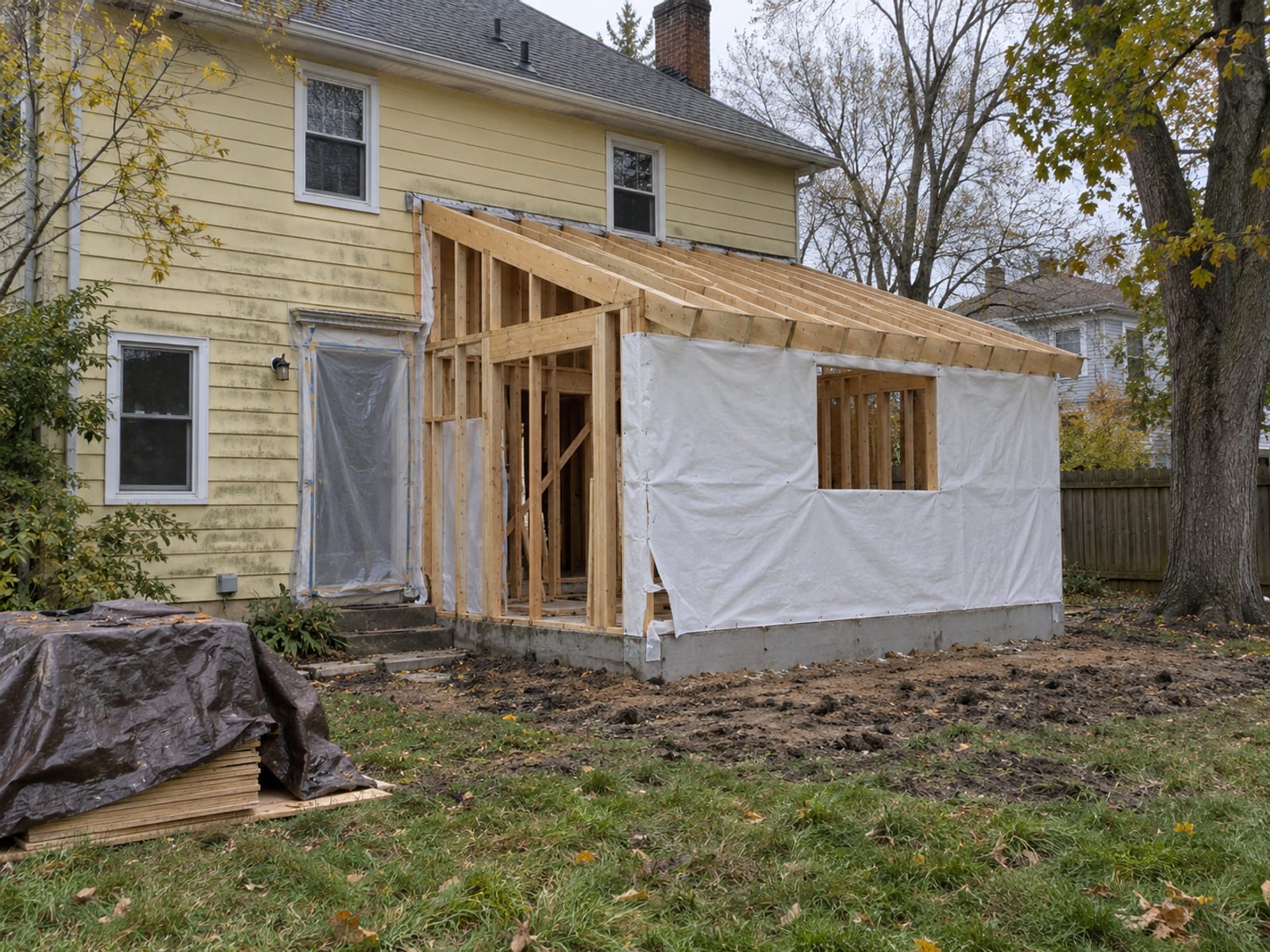
Often, yes, because they cover different things. Your homeowners policy insures the existing home, your belongings and your personal liability under its terms. Builders risk insures the construction itself. Texas regulators tell people building a new house that they'll need home insurance, and tell those who renovate to talk to their home insurance company about more coverage if the cost to replace the house went up, according to the Texas Department of Insurance (opens in a new tab) (updated December 10, 2025).
The homeowners policy is the piece people assume will just keep working. It may contain conditions or exclusions tied to vacancy, unoccupancy, construction or a change in how the home is used, and those terms differ by insurer and form. So, notify your insurer before work begins and give it the scope of work, the estimated finished value, the timeline, the contractor's details, whether anyone will live in the house during the work and what your lender requires. Then ask for written answers:
- Does the policy stay in force during the work, and on the same terms?
- Does vacancy or unoccupancy during the project change the coverage?
- Does the renovation need an endorsement or a higher dwelling limit?
- Do personal property and liability coverage continue?
- Does the insurer expect a separate builders risk policy?
After the work, the dwelling limit needs another look. Our guide to how much homeowners insurance you need explains how a renovation or an addition changes the cost to rebuild.
Can a homeowner buy builders risk insurance, and who pays for it?
A homeowner can arrange builders risk, and so can a contractor; the construction contract decides which of you buys it and who carries the cost. There is no single national rule that puts it on one side. On a custom home or a large renovation, the contract's insurance section usually names the party that must buy the policy, the parties it must protect, the amount and the dates.
Read that section before you sign. If the contractor buys the policy, ask for the declarations page and endorsements, not just a certificate, and check that your name and your lender's are on it where the contract requires. If you buy it, an agency will want the plans, the contract price, the construction type, the schedule and the lender's insurance conditions. Either way, the premium ends up in the project cost, as a contract line or as your own expense.
Does the lender require builders risk?
Many construction lenders do, and their written conditions control your loan. Loans sold to Fannie Mae offer one example of how lenders treat a renovation: when a loan pays for repairs, remodeling or renovations, there must not be any coverage exclusions or limits related to the renovation work while it is being done, under Fannie Mae Selling Guide B7-3-05 (opens in a new tab). Once the work is complete, the lender or servicer reviews the property insurance against the completed replacement cost of the home.
Ask your lender for its insurance conditions in writing before you buy anything. They may name the insured parties, a mortgagee clause, a minimum amount, the term and what proof it needs before the first draw.
What does builders risk not cover?
Coverage depends on the policy form, its exclusions and endorsements, and how the project is described. These items are the ones to ask about by name:
- Contractor tools and equipment. A contractor's equipment floater insures movable equipment not meant for public roads, and a tools and equipment floater covers tools wherever they are used, according to the Insurance Information Institute (opens in a new tab). Those are the contractor's policies, separate from builders risk on your house.
- Faulty workmanship and defective materials. Policies treat the cost of fixing bad work differently from damage it causes. The exact wording controls.
- Flood and earthquake. These may be excluded or need separate coverage or an endorsement. A homeowners policy usually leaves out wear and tear, sewer backups, floods and earthquakes, according to the Texas Department of Insurance (opens in a new tab), and the builders risk form needs its own reading.
- Theft and vandalism. Coverage can depend on security conditions on site and on whether the stolen item was covered construction property or a contractor's tool.
- Injuries and damage to others. Builders risk is property coverage. Liability for bodily injury or damage to a neighbor's property is a different exposure, handled by liability insurance.
- Injured workers. Workers' compensation covers covered work injuries to employees under state law, not the house.
Hover or tap a row to highlight it.
| Policy | What it covers | Who usually carries it |
|---|---|---|
| Builders risk | The building under construction and covered materials, supplies and equipment | The homeowner or the contractor, as the contract says |
| Contractor general liability | Covered claims for bodily injury or damage to other people's property | The contractor |
| Workers' compensation | Covered work injuries to employees | The employer, under state law |
| Contractor's equipment or tools floater | Movable equipment and tools, wherever they are used | The contractor |
| Homeowners policy | The existing home, belongings and personal liability, under its terms | The homeowner |
Inland marine and installation floaters also come up on projects. They can follow materials or equipment in transit, in temporary storage or during installation, and they may cover a narrower set of property than builders risk. Our guide to inland marine insurance explains how those floaters work.
When should builders risk start and how long does it last?
Coverage should start before construction begins and before materials are delivered to the site, and no later than the date the contract or lender requires. A permit date can help you plan, but the policy's effective date is what controls.
The end date is written into the policy. Builders risk commonly ends at completion, at occupancy or on another stated event, and an extension usually needs the insurer's approval before the original expiration. As one state example, California describes builder's risk as an endorsement with a one-year minimum term, with a prorated return of premium if it is canceled after the project is finished and a short-rate penalty if it is canceled mid-term, according to the California Department of Insurance (opens in a new tab). Terms in other states and from other insurers differ.
If the project slips, call the insurer before the policy expires and ask what an extension requires. When the house is finished or you move in, permanent homeowners coverage needs to be in place the same day, with a dwelling limit based on the finished home.
Builders risk from contract to move-in
- Before you signRead the contract's insurance section and get the lender's insurance conditions in writing.
- Before work startsNotify your homeowners insurer, get its answers in writing and put builders risk in place.
- Before materials arriveConfirm the policy's effective date covers the first delivery to the site.
- During the projectTrack the schedule against the expiration date and ask about an extension early.
- At completion or move-inStart permanent homeowners coverage and end builders risk under the policy terms.
How much does builders risk insurance cost?
The price is set for each project. The main inputs are the finished value of the house, the construction type and materials, the location and its exposure to storms or wildfire, how much of the work is new construction versus renovation, how long the project runs, security on site, and the limits, deductibles, endorsements and insured parties the contract or lender requires. A reporting form, where coverage follows the stage of completion and the value reported, prices differently from a completed-value form. An agency can quote once it has the plans, the contract price and the schedule.
What happens after a loss if there is no builders risk?
Payment then depends on whether another policy covers the damaged property and on that policy's terms, exclusions, limits and insured interests. A fire or storm during construction can damage the partly built house, stored materials, the existing parts of the home, a contractor's equipment and temporary structures, and it can bring debris removal and delay costs. A contractor's liability policy, a workers' compensation policy and your homeowners policy each address different losses, and none of them is written to stand in for construction property coverage.
Whatever coverage you have, notify the insurer right away, take photos and videos of the damage, and keep the contract, the policy, invoices and receipts, as the NAIC claims guide (opens in a new tab) advises. Our guide to filing a homeowners insurance claim covers the steps in order.
What should you compare before work begins?
Lay these side by side with an agency:
- The construction contract and its insurance section
- The lender's insurance conditions
- Your homeowners declarations page, policy and endorsements, with the insurer's written answers
- The builders risk declarations page and endorsements
- The named insured, additional insureds, mortgagee and loss payee
- The effective date, expiration date and extension procedure
- The project schedule and estimated finished value
- A list of materials, supplies and equipment to be stored on site
- How flood, earthquake, wind, theft, vandalism and debris removal are treated
- The contractor's insurance certificates
Check what you know about builders risk insurance
Frequently asked questions
Can I live in a house that has builders risk insurance?
Moving in is often the event that ends builders risk, so occupying the house before the policy says you can may affect coverage. Ask the insurer what counts as occupancy under your policy and arrange permanent homeowners coverage to start that day.
Does builders risk cover materials stored off site?
It depends on the policy. Some forms cover materials in transit or at temporary storage, and an installation floater may be used for them, so ask where your materials are covered before they leave the supplier.
Is builders risk the same as a contractor's general liability insurance?
No. Builders risk insures the house and materials, while general liability responds to covered claims that the contractor injured someone or damaged someone else's property.
What if my construction runs longer than the policy term?
Ask the insurer before the expiration date whether an extension or renewal is available and what it requires. Waiting until after the policy ends can leave the unfinished house without construction coverage.
The next step
Get your contract's insurance section and your lender's conditions, then take them to a licensed agency before the first delivery. The Riskado agency directory lists insurance agencies across the US, and your state insurance department (opens in a new tab) can confirm an agent's license.
Terms used in this guide
Tap a term to see what it means.
Builders risk. Property coverage for a building in the course of construction, including covered materials, machinery and equipment.
Completed-value form. A builders risk form that insures the project at its finished value from the start.
Reporting form. A builders risk form where the insured value is reported as construction advances.
Contractor's equipment floater. The contractor's coverage for movable equipment not meant for public roads.
Installation floater. Coverage that can follow materials or equipment in transit, in storage or during installation.
General liability. Coverage for covered claims of bodily injury or damage to other people's property.
Workers' compensation. Coverage for covered work injuries to employees under state law.
Mortgagee clause. Policy wording that protects the lender's interest in the property.
Declarations page. The page of a policy that lists the insured parties, limits, dates and coverages.