Homeowners Insurance Non-Renewal: What the Letter Means, How Much Notice You Get, and Where to Look Next
Riskado
A homeowners insurance non-renewal means your insurer will not continue the policy after its expiration date. Coverage keeps running until that date, which is the difference from a cancellation, where the policy ends before its term is up, according to the Texas Department of Insurance (opens in a new tab). How much notice you get and which reasons are allowed depend on your state's law. Read the letter for the exact end date, the stated reason and any appeal or complaint instructions, then start arranging replacement coverage before the policy expires. If private insurers turn the house down, a state FAIR Plan, a wind or coastal pool, or a surplus lines insurer may be an option, with its own eligibility rules and coverage. If you have a mortgage and the required coverage lapses, the servicer can buy lender-placed insurance and charge you for it.
Key takeaways
- When coverage endsA non-renewal ends the policy at its expiration date; a cancellation ends it before that date.
- Notice periodsHow much notice you get and which reasons are allowed depend on your state's law.
- Read the letterFind the exact end date, the stated reason and any appeal or complaint instructions, then start arranging replacement coverage.
- If private insurers say noA state FAIR Plan, a wind or coastal pool, or a surplus lines insurer may be an option, with its own eligibility rules and coverage.
- If you have a mortgageThe servicer can buy lender-placed insurance and charge you for it if the required coverage lapses.
What does a non-renewal notice mean for your coverage?
The notice is a decision about the next policy term, not the current one. Your policy stays in force through the end date printed on your declarations page or renewal notice, and the insurer simply declines to offer another term. A cancellation works differently: it stops the policy before that end date, usually on shorter notice and for a narrower list of reasons. If your letter uses the word "cancellation" or names an effective date earlier than your policy's expiration, read what to do when home insurance is cancelled after an inspection, because the deadlines and rights are different.
Non-renewal is not limited to problems with one house. An insurer can decide to write less business in a whole area, and the letter you receive may reflect that decision rather than anything about your property. Either way, the end date is the number that matters most, because every next step has to happen before it.

How much notice must the insurer give?
There is no single national notice period for a homeowners non-renewal. Each state sets its own minimum, and some states change the minimum based on how long you have held the policy or what other coverage the policy includes. A few state examples show how far apart the rules can be.
In Texas, an insurer must give 60 days' notice of non-renewal for a policy bought or renewed in 2024, and 30 days for a policy bought or renewed in 2023 or earlier, according to the Texas Department of Insurance (opens in a new tab). Illinois requires at least 30 days' notice for a policy in force less than five years; once a policy has been in force five years or more, the insurer may non-renew for a limited set of reasons with 30 days' notice or for nearly any other reason with 60 days' notice, according to the Illinois Department of Insurance (opens in a new tab).
Florida sets a longer floor. Insurers must give at least 120 days' written notice of non-renewal, with exceptions such as 90 days for a policy that covers both a home and a motor vehicle and 45 days when a Citizens policy is assumed by another insurer or coverage is offered through the state's clearinghouse program, according to the Florida Department of Financial Services (opens in a new tab). In California, a written non-renewal notice must be sent at least 75 days before the expiration date, according to the California Department of Insurance (opens in a new tab).
Hover or tap a row to highlight it.
| State example | Minimum non-renewal notice | Source |
|---|---|---|
| Texas | 60 days for policies bought or renewed in 2024; 30 days for 2023 or earlier | Texas Department of Insurance (opens in a new tab) |
| Illinois | 30 days if in force under five years; 30 days (limited reasons) or 60 days (nearly any reason) at five years or more | Illinois Department of Insurance (opens in a new tab) |
| Florida | 120 days in general; 90 days for combined home and auto; 45 days in certain Citizens situations | Florida Department of Financial Services (opens in a new tab) |
| California | 75 days before expiration | California Department of Insurance (opens in a new tab) |
If your state is not on that list, your state insurance department publishes its own rule. Check it against the date on your letter.
Can an insurer drop you without notice?
An insurer has to give the notice your state's law and your policy require. Shorter notice is allowed for some cancellations, such as nonpayment or fraud. In California, after a policy has been in force 60 days, cancellation is limited to reasons such as nonpayment, fraud, material misrepresentation or physical changes that increase a covered hazard, with at least 20 days' notice, or 10 days for nonpayment or fraud, according to the California Department of Insurance guide (opens in a new tab). A non-renewal, by contrast, comes with advance notice of the end of the term, so a letter that arrives late or leaves out required information is worth raising with the insurer and, if needed, the state insurance department.
Why might a home insurance policy not be renewed?
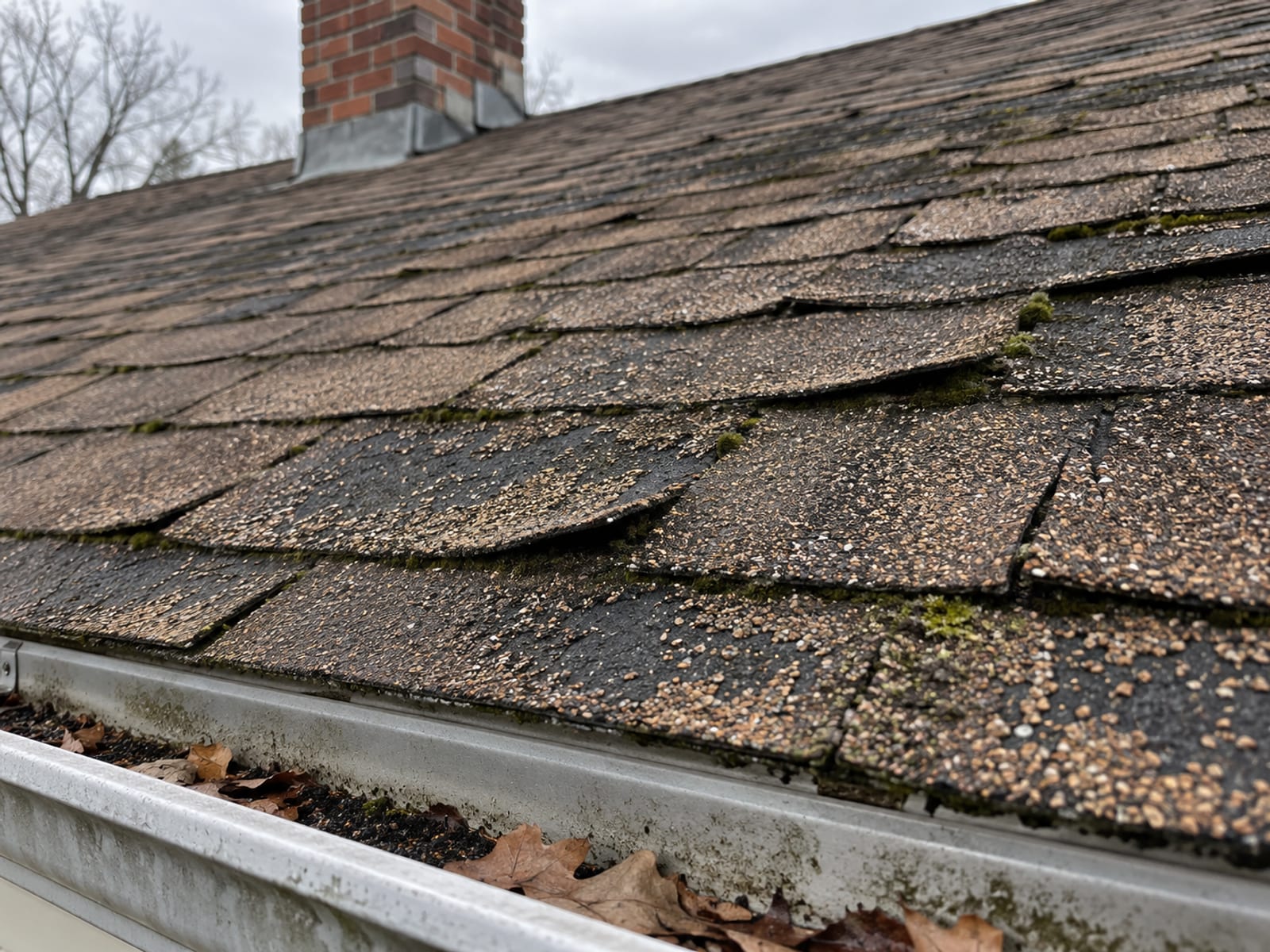
Insurers give a range of reasons. Property condition is a common one, including roof condition and prior damage that was never repaired. Claims history can matter: in Texas, a company might not renew after three or more nonweather-related claims in three years, according to the Texas Department of Insurance (opens in a new tab). Vacancy is another reason; that same Texas guidance lists a house vacant for 60 days or more, which is covered in more detail in what vacant home insurance does and how to stay covered. Insurers also non-renew when they decide to limit how much coverage they sell in an area, and the Texas reason categories (opens in a new tab) include concentration of risk, wildfire, and wind, hail or hurricane exposure.
States also put limits on what an insurer can use. Illinois prohibits non-renewal based on the age or location of the property, on listed personal characteristics of the occupants, or solely on credit report information, and when the reason is declining property condition, the insurer must allow time, not more than 90 days, for required repairs, according to the Illinois Department of Insurance. Florida restricts the use of certain sinkhole, water-damage and act-of-God claims and credit information as a reason, according to the Florida Department of Financial Services. Those limits differ by state, so the stated reason in your letter is the thing to check against your own state's rules.
What should you check in the letter?
Read the notice slowly and pull out a few specific facts. The end date comes first; compare it with your declarations page. Then find the stated reason. Texas now requires insurers to explain in writing why they declined, canceled or did not renew a policy for decisions made after January 1, 2026, under HB 2067 (opens in a new tab), and Illinois requires the notice to state the specific reason, not just a label like "misrepresentation."
Look for any reference to an inspection or a repair, and whether the letter gives a deadline to fix something. Check for appeal or hearing rights and complaint instructions, and for any mention of a FAIR Plan or other last-resort option. Keep the notice and the envelope or the electronic delivery record, because the date it was sent can matter if the notice period is in question.
Then ask the insurer or your agent, in writing, for anything the letter refers to but does not include, such as an inspection report or the specific condition it relied on. If the reason is a repair, ask whether completing it and sending proof would change the decision.
First steps after a non-renewal notice arrives
- Find the end dateCompare the expiration date in the letter with your declarations page.
- Read the stated reasonNote any inspection or repair reference and any deadline to fix something.
- Keep the recordSave the notice and the envelope or electronic delivery record.
- Ask in writingRequest the details and any inspection report the insurer relied on.
- Check your rightsLook for a repair period, reconsideration process, complaint information or hearing right.
- Start replacement shoppingArrange new coverage before the stated expiration date.
- Tell your lenderSend the mortgage servicer proof of replacement coverage once it is bound.
How do you get replacement homeowners insurance?
Start as soon as the letter arrives. An independent agency can submit your house to several insurers it works with, and you can also contact insurers directly. The difference between agency types is laid out in independent vs. captive insurance agents. Have your declarations page, the non-renewal notice, the stated reason, any inspection or repair records, your claims history and details about the home's construction and roof ready, because a new insurer will ask about all of them.
If the standard market declines the property, a licensed surplus lines broker may be able to place coverage with a surplus lines insurer where state law allows it. Surplus lines insurers take on risks standard companies will not, and one protection works differently: state guaranty fund coverage, which pays claims if an admitted insurer becomes insolvent, is not available in the surplus lines market, according to the NAIC (opens in a new tab). Ask whether a quote is from an admitted or a surplus lines insurer before you compare it with anything else.
You can find an agency near the property in the Riskado agency directory, which lists insurance agencies across the US by state and city.
What if no private insurer will cover the home?
Many states run a residual market, a plan of last resort for property that cannot get coverage in the regular market. These plans have their own eligibility rules and usually narrower coverage than a standard homeowners policy.
The California FAIR Plan provides basic fire insurance for high-risk properties when traditional insurers will not, and a broker must first conduct a diligent search of the regular market, according to the California FAIR Plan (opens in a new tab). The same plan points to a separate difference-in-conditions policy for broader coverage. In Texas, if at least two companies refuse to insure your home, you may buy a policy through the Texas FAIR Plan Association, according to the Texas Department of Insurance (opens in a new tab). Coastal areas often have a separate wind pool: the Texas Windstorm Insurance Association requires proof of declination from an authorized insurer, and surplus lines companies do not count for that requirement, according to TWIA (opens in a new tab). South Carolina and North Carolina run their own coastal plans, described in the South Carolina wind and hail pool guide and the North Carolina coastal property insurance pool guide.
Your state insurance department can explain cancellations and non-renewals, help you check whether a company or agent is licensed, investigate unfair practices and explain last-resort programs where they exist. It cannot force a company to sell you a policy, according to the NAIC (opens in a new tab).
What happens if coverage lapses?
A non-renewed policy does not come with an automatic grace period after the expiration date. Whether any reinstatement period exists depends on the policy, state law and the insurer, so ask before the date passes rather than after.
A lapse matters most when you have a mortgage. Your mortgage contract almost always requires hazard insurance, and if your coverage ends or falls short, the servicer can buy force-placed insurance and charge you. Under Regulation X (opens in a new tab), the servicer must send a written notice at least 45 days before charging you, and a reminder at least 15 days before the charge and at least 30 days after the first notice. Within 15 days of receiving evidence that you had compliant coverage in place, the servicer must cancel the force-placed policy and refund the overlapping charges. Force-placed insurance is usually more expensive than a policy you buy yourself, and it generally protects only the lender, not you, according to the CFPB (opens in a new tab). Send the servicer proof of your new policy as soon as it is bound.
A gap can also come up when you apply elsewhere. A new insurer may ask about prior coverage, cancellations, non-renewals, claims and lapses, and how it weighs a gap depends on its own underwriting rules. Ask the agency how its insurers treat one.
Federal force-placed insurance timeline under Regulation X
- First noticeThe servicer must send a written notice at least 45 days before charging you for force-placed insurance.
- Reminder noticeSent at least 15 days before the charge and at least 30 days after the first notice.
- Proof of coverageWithin 15 days of receiving evidence of compliant coverage, the servicer must cancel the force-placed policy and refund overlapping charges.

Can you challenge a non-renewal?
You can ask questions or file a complaint with your state insurance department if you think the insurer did not follow your state's rules. In Texas, you can file a complaint if you think a company non-renewed your policy unfairly or if you did not get the required written explanation, according to the Texas Department of Insurance. In Illinois, if you believe the company failed to follow the required steps, you can request a hearing before the Director of Insurance; the written request must be mailed or delivered at least 20 days before the expiration date and explain in detail why the non-renewal was improper, according to the Illinois Department of Insurance (opens in a new tab).
A complaint can lead to a review of whether the notice, timing and reason met the rules. Keep shopping for replacement coverage while it is pending, because the expiration date does not move while a complaint is open.
How do you check a replacement insurer?
Before you buy, confirm that both the insurer and the agency are licensed for your state and for homeowners insurance. Your state insurance department's company and agent lookup does that, and you can find yours through the NAIC list of state insurance departments (opens in a new tab). An admitted insurer is licensed in your state and participates in its guaranty fund; a surplus lines insurer is regulated through a separate system without that guaranty fund protection.
Check what you know about homeowners non-renewal
Frequently asked questions
Does a non-renewal end my coverage right away?
No. The policy stays in force until its expiration date. Use that time to find replacement coverage and to send your lender proof of it.
Is there a grace period after the policy expires?
Not automatically. Any reinstatement option depends on your policy, your insurer and your state, so ask your insurer directly before the expiration date.
Can a roof cause a non-renewal?
Roof condition and other property condition issues are common reasons, subject to each state's rules. Some states, such as Illinois, require the insurer to allow time for repairs when property condition is the reason.
What is force-placed insurance?
It is hazard insurance a mortgage servicer buys when your required coverage is missing or not enough. It generally protects the lender, not you, and it is usually more expensive than a policy you buy yourself.
Can my state insurance department make an insurer keep me?
No. A department can investigate whether the insurer followed the rules and explain last-resort options, but it cannot force a company to sell you a policy.
Your next steps
Mark the expiration date, ask for the reason and any inspection details in writing, and start getting quotes right away. If repairs are the issue, ask whether finishing them would change the decision, and get replacement quotes in the meantime. If private insurers decline, ask an agency about surplus lines and your state's FAIR Plan or coastal pool, and contact your state insurance department with questions about the notice. Once a new policy is in place, send proof to your mortgage servicer.
Sources: Texas Department of Insurance (opens in a new tab); Illinois Department of Insurance (opens in a new tab); Florida Department of Financial Services (opens in a new tab); California Department of Insurance (opens in a new tab); CFPB Regulation X, 12 CFR 1024.37 (opens in a new tab); NAIC (opens in a new tab).
Terms used in this guide
Tap a term to see what it means.
Non-renewal. An insurer's decision not to continue a policy after its expiration date.
Cancellation. Ending a policy before its expiration date.
Declarations page. The page of your policy that shows the dates, limits, deductibles and coverages in force.
Admitted insurer. An insurer licensed in your state that participates in the state's guaranty fund.
Surplus lines insurer. An insurer that takes risks standard companies will not, without state guaranty fund protection.
FAIR Plan. A state residual market plan that offers basic property coverage when the regular market will not.
Residual market. A plan of last resort for property that cannot get coverage in the regular market.
Force-placed insurance. Hazard insurance a mortgage servicer buys when your required coverage is missing or not enough.
Guaranty fund. A state fund that pays claims if an admitted insurer becomes insolvent.