Vermont Flood Insurance: Who Needs It, What It Costs, and How to Check Your Flood Zone
Riskado
Flood insurance in Vermont is almost always a separate policy, because most homeowners and renters policies do not cover flood damage, according to the Vermont Department of Financial Regulation (DFR) (opens in a new tab). Coverage through the National Flood Insurance Program (NFIP) is open to homeowners, renters and businesses in participating communities, and about 90% of Vermont communities participate, according to the DFR flood insurance page (opens in a new tab). You are generally required to carry it if your building sits in a FEMA Special Flood Hazard Area and secures a federally backed mortgage, though a lender can require it elsewhere too. NFIP coverage usually starts 30 days after purchase, according to FloodSmart (opens in a new tab). Figures here were checked October 1, 2026.
Your first two steps are checking your address on the flood maps and asking your lender, if you have one, whether coverage is required.
Key takeaways
- A separate policyMost homeowners and renters policies do not cover flood damage, so flood insurance is almost always bought separately.
- Who can buy NFIP coverageHomeowners, renters and businesses in participating communities, and about 90% of Vermont communities participate.
- When it is requiredGenerally when the building is in a FEMA Special Flood Hazard Area and secures a federally backed mortgage, though a lender can require it elsewhere.
- Waiting periodNFIP coverage usually starts 30 days after purchase.
- First stepsCheck your address on the flood maps and ask your lender whether coverage is required.
Do You Need Flood Insurance in Vermont?
The legal requirement is narrow, and the practical need is broader. Under federal mandatory purchase rules, flood insurance is generally required when the building is in a FEMA Special Flood Hazard Area (SFHA) and the property secures a federally backed mortgage, according to FloodSmart's eligibility page (opens in a new tab). Outside an SFHA, or without a federally backed loan, coverage is generally optional under federal rules, but your lender may still require it in a lower-risk zone.
One more situation creates a requirement: if the property received federal disaster assistance in the past, you may need to maintain flood insurance on it to stay eligible for future federal assistance, according to FloodSmart (opens in a new tab).
Mapped zones do not tell the whole story. Nearly one-third of NFIP claims from 2014 through 2024 came from areas outside mapped high-risk areas, according to FEMA's agent resources on FloodSmart (opens in a new tab). A Zone X designation means lower or moderate mapped risk, not zero risk.
Flood Versus Other Water Damage
Whether a loss counts as flood shapes which policy responds. FEMA defines a flood as a general and temporary inundation of two or more acres of normally dry land, or two or more properties, from events such as overflowing inland water, unusual and rapid surface-water runoff, mudflow or certain shoreline erosion, according to FloodSmart (opens in a new tab).
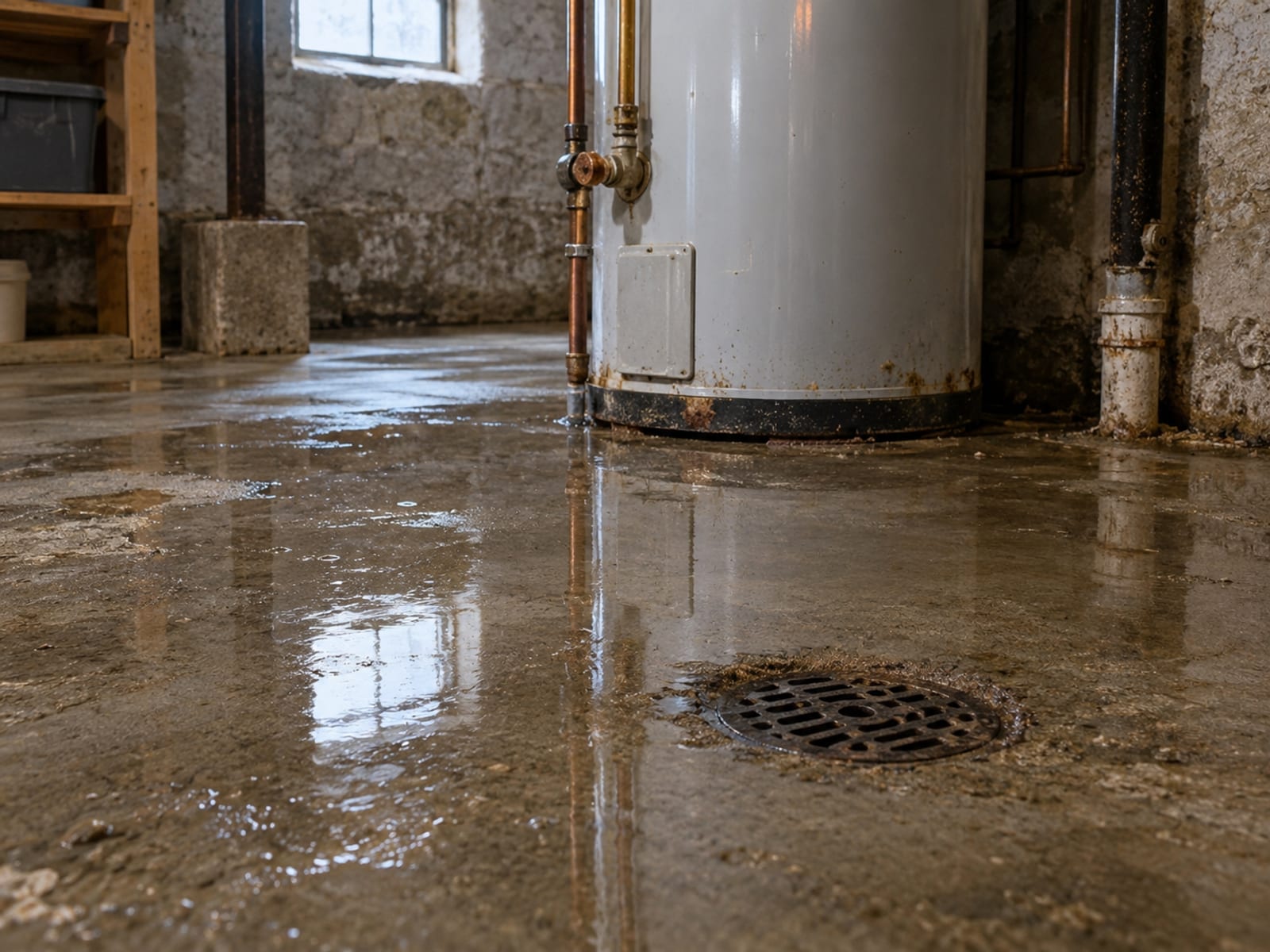
Water that backs up through a sewer or drain is a different kind of loss. It may be covered by a water-backup endorsement on a homeowners policy, depending on the policy wording and what happened, according to the DFR flood resources FAQ (opens in a new tab). Groundwater or surface water coming in from outside the building is generally handled under flood coverage rules instead. After any water loss, note where the water came from and call your insurer before assuming which coverage applies.
What NFIP Flood Insurance Covers
NFIP policies split coverage into building and contents, and each is bought separately with its own deductible. Published limits, according to FloodSmart (opens in a new tab), checked October 1, 2026:
Hover or tap a row to highlight it.
| NFIP coverage | Maximum limit |
|---|---|
| Home building | $250,000 |
| Home contents | $100,000 |
| Renter contents | $100,000 |
| Business building | $500,000 |
| Business contents | $500,000 |
| Standard waiting period | 30 days |
Policies run for one year. Renters can buy contents-only coverage up to $100,000 for their belongings, even though they do not own the building.
Basements, vehicles, landscaping, temporary living costs and business interruption are areas where flood policies have limits or exclusions, so ask your agent exactly what your policy form covers in each one, and whether property is paid at replacement cost or actual cash value.
Flood Coverage for a Vermont Business or Farm
Business owners can insure a commercial building and its contents up to $500,000 each through the NFIP. Covered categories can include the building, utilities, equipment, furniture and inventory, subject to the policy, according to FloodSmart (opens in a new tab).
Farms are more specific. Some farm buildings and contents may be insurable, including contents of silos and grain-storage buildings, but the NFIP's definition of an insurable building differs from floodplain-management definitions, according to FEMA's agricultural and accessory structures guidance (opens in a new tab). If you run a farm, go over each structure, your equipment and stored contents, and any wet or dry floodproofing with an agent.
After a flood, farm losses involving crops, livestock, produce or farm products go to your local Farm Service Agency, and damage to equipment, barns or infrastructure is reported through Vermont 211, according to DFR flood recovery resources (opens in a new tab).
How to Check Your Vermont Flood Zone
Vermont has two map systems worth checking for any address.
- FEMA's Flood Map Service Center (opens in a new tab) holds the official Flood Insurance Rate Maps (FIRMs), map panels and printable FIRMettes. These are the maps lenders and the NFIP use.
- Vermont's Flood Ready Atlas (opens in a new tab) layers FEMA's digitized flood hazards, Special Flood Hazard Areas, floodways, watershed and community data, and Vermont's river corridors on one map.
Some Vermont flood maps still exist only as paper maps or PDF scans, so a digital map may not cover every location, according to Flood Ready Vermont (opens in a new tab). If your address does not show a digital zone, ask your town or an agent for the paper map panel.
A Special Flood Hazard Area generally covers Zones A, AE, AO and related A or V zones, according to Flood Ready Vermont's floodplain page (opens in a new tab). Zone X is lower or moderate risk.
River corridors are a Vermont layer separate from FEMA zones, and the data covers the whole state except along the Connecticut River, where you contact the regional floodplain manager, according to Flood Ready Vermont (opens in a new tab). A property can be in Zone X and still sit inside a river corridor, so check both layers.
How Much Does Flood Insurance Cost in Vermont?
There is no single Vermont price, because NFIP premiums under Risk Rating 2.0 are set property by property. Premiums depend on where the building is, how it is built, its replacement cost, the coverage you choose and other rating factors, according to FloodSmart's premium page (opens in a new tab).
FEMA's April 2025 Vermont Risk Rating 2.0 profile (opens in a new tab) gives these statewide figures:
- 3,300 NFIP policies in force, and 300,000 Vermont properties not covered by an NFIP policy.
- An average NFIP claim payout of $34,300 over the prior 10 years.
- An average individual-assistance payout of $5,800 over the same period.
FEMA's Vermont comparison of the new and old rating methods (opens in a new tab) showed 1,103 policyholders with immediate decreases, 1,669 with increases of $0 to $10 a month, 307 with increases of $10 to $20 a month, and 252 with increases above $20 a month.
The gap between those two payout figures is worth noticing: over the past decade, the average NFIP claim in Vermont paid several times what the average disaster-assistance grant did. For your own price, ask a participating agent or NFIP Direct for a quote based on your address and the coverage you want.
When Coverage Starts
The standard NFIP waiting period is 30 days from purchase, according to FloodSmart (opens in a new tab). That means buying a policy when a storm is already in the forecast generally will not cover that storm.
There are exceptions, according to FEMA's agent guidance (opens in a new tab): coverage bought in connection with certain mortgage transactions, renewals, properties newly mapped into a high-risk area, and certain flooding after a wildfire. Ask your agent whether any exception applies and to confirm the exact effective date in writing.
How to Buy Vermont Flood Insurance
You can buy NFIP coverage through a participating insurance agent or company, or through NFIP Direct. FEMA runs the program through more than 50 insurance companies plus NFIP Direct, according to the DFR (opens in a new tab).
Private flood insurance is also sold in Vermont. DFR flood recovery data counted 2,676 private flood policies and 299 excess flood policies, according to DFR flood recovery resources (opens in a new tab). Excess flood coverage sits above NFIP limits. A private policy can differ from the NFIP on eligibility, limits, exclusions, deductibles, waiting period, renewal terms and claims process, so ask an agent to compare the policy form side by side with the NFIP and with your lender's requirements. The DFR regulates Vermont insurance agents but does not have jurisdiction over federal flood insurance carriers, according to the DFR (opens in a new tab).
What Vermont's 2023 and 2024 Floods Meant for Policyholders
Vermont received a presidential major-disaster declaration for the July 7 through July 21, 2023 flooding, with Public Assistance and Individual Assistance, according to the Governor's Office (opens in a new tab). A second major disaster was declared on September 10, 2024 for severe storms and flooding, according to FEMA's preliminary damage assessment (opens in a new tab). The July 29 through July 31, 2024 flooding affected Caledonia, Essex and Orleans counties, with 85 homes initially reported damaged or destroyed, according to the Governor's Office (opens in a new tab).
Disaster assistance requires a presidential declaration and can be limited, and it did not turn homeowners policies into flood policies. After the 2023 floods, the DFR told policyholders to determine whether their coverage was NFIP or private, file with the right provider and report damage for possible assistance, according to the DFR consumer advisory (opens in a new tab).
What to Document Before and After a Flood
Records made before a flood speed up a claim. FloodSmart's belongings guidance (opens in a new tab) recommends photographing major belongings, recording serial numbers for appliances and electronics, and keeping that inventory with your policy in a dry or watertight place. Elevating water heaters and electrical panels, using proper flood openings, and asking about an elevation certificate are mitigation steps to raise with your agent.
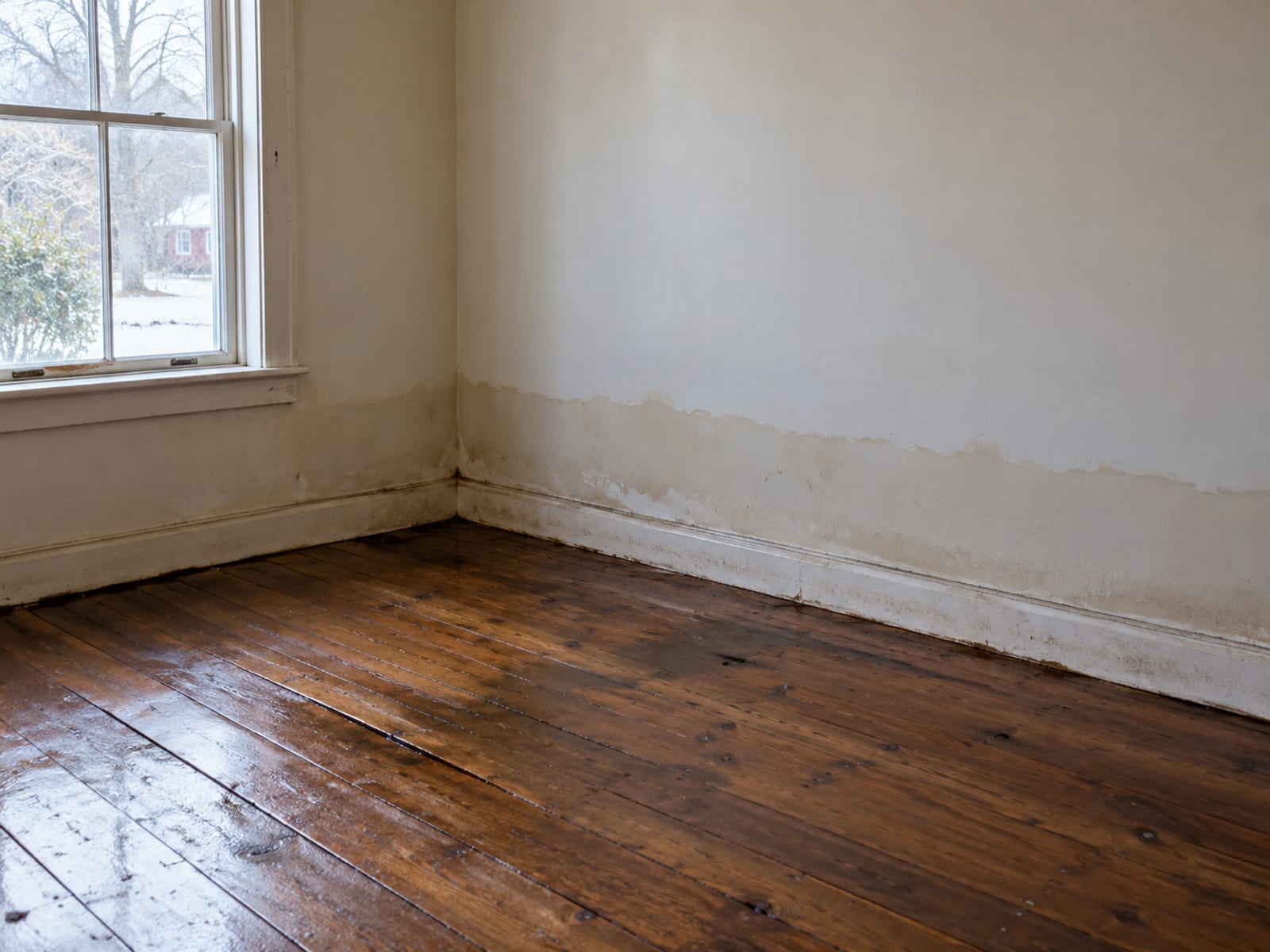
After a flood, once it is safe, FloodSmart's damage documentation guidance (opens in a new tab) recommends photographing and filming damage before cleanup, keeping receipts for repairs and replacements, saving small samples of damaged materials for the adjuster, and preventing further damage where you reasonably can.
How to File a Vermont Flood Claim
Start by confirming whether your policy is NFIP or private. NFIP policyholders contact their insurance company, their agent or the NFIP at 877-336-2627, and private flood policyholders contact their agent or insurer, according to the DFR (opens in a new tab).
From there, the steps on FloodSmart's claims page (opens in a new tab) follow a set order:
- Photograph and film the property and belongings, and record serial numbers.
- Document damage before throwing anything away or making repairs.
- Contact the provider and ask for an adjuster.
- Review the adjuster's estimate.
- Ask about advance payments and Increased Cost of Compliance coverage if it applies.
- Follow the policy's proof-of-loss and appeal procedures and deadlines.
Claim deadlines are set per event and per policy. Ask your provider for the proof-of-loss deadline that applies to your claim.
Questions to Ask Your Agent or Lender
These questions, based on NAIC flood insurance guidance (opens in a new tab) and FloodSmart (opens in a new tab), cover what a map and a quote leave open:
- Does my current homeowners, renters, business or farm policy cover any flood or water-backup loss?
- What flood zone is my property in, and is my community in the NFIP?
- Does my lender require flood insurance, and will it accept a private policy?
- How much building and contents coverage can I buy, and what deductibles apply?
- What exclusions and basement limits apply?
- When does my coverage take effect?
- Is property paid at replacement cost or actual cash value?
- Does my community take part in the Community Rating System?
- Are there agency fees or other charges?
- For a business or farm, are inventory, equipment, farm contents or business interruption covered?
- What happens if the policy lapses or renews late?
Riskado's directory lists insurance agencies by city and category in Vermont, if you want an agency to walk through these with you.
Check what you know about Vermont flood insurance
Vermont Flood Insurance FAQ
Can I buy NFIP flood insurance if I am not in a high-risk zone?
Yes, NFIP coverage is available to homeowners, renters and businesses in participating communities, whatever the zone, according to FloodSmart (opens in a new tab). Lower-risk properties still flood, and nearly one-third of NFIP claims from 2014 through 2024 came from outside mapped high-risk areas.
Will disaster assistance cover me if I skip flood insurance?
Only if a presidential disaster is declared, and the help can be limited. FEMA's Vermont profile puts the average individual-assistance payout over 10 years at $5,800, compared with $34,300 for the average NFIP claim, according to the FEMA Vermont profile (opens in a new tab).
Does a river corridor affect my flood insurance?
River corridors are a Vermont map layer separate from FEMA flood zones, shown on the Flood Ready Atlas (opens in a new tab). Ask your agent how your location, including any river-corridor exposure, factors into your decision and quote.
Who do I call about a flood claim?
For an NFIP policy, your insurance company, your agent or the NFIP at 877-336-2627; for a private policy, your agent or insurer, according to the DFR (opens in a new tab).
Your Next Step
Look up your address on FEMA's map and the Flood Ready Atlas, ask your lender whether flood coverage is required, and remember the 30-day wait before buying. Then get a property-specific quote from a participating agent or NFIP Direct, and ask how a private policy would compare.
Terms used in this guide
Tap a term to see what it means.
NFIP. The National Flood Insurance Program, the federal program that sells flood coverage through participating insurers and NFIP Direct.
Special Flood Hazard Area (SFHA). A FEMA high-risk flood area, generally Zones A, AE, AO and related A or V zones.
Zone X. A FEMA designation for lower or moderate mapped flood risk.
FIRM. A Flood Insurance Rate Map, the official FEMA map that lenders and the NFIP use.
River corridor. A Vermont map layer, separate from FEMA flood zones, shown on the Flood Ready Atlas.
Risk Rating 2.0. The NFIP rating method that sets premiums property by property.
Excess flood coverage. Coverage that sits above NFIP limits.