Pennsylvania Homeowners Insurance: What It Costs, What It Covers, and the Cancellation Laws
Riskado
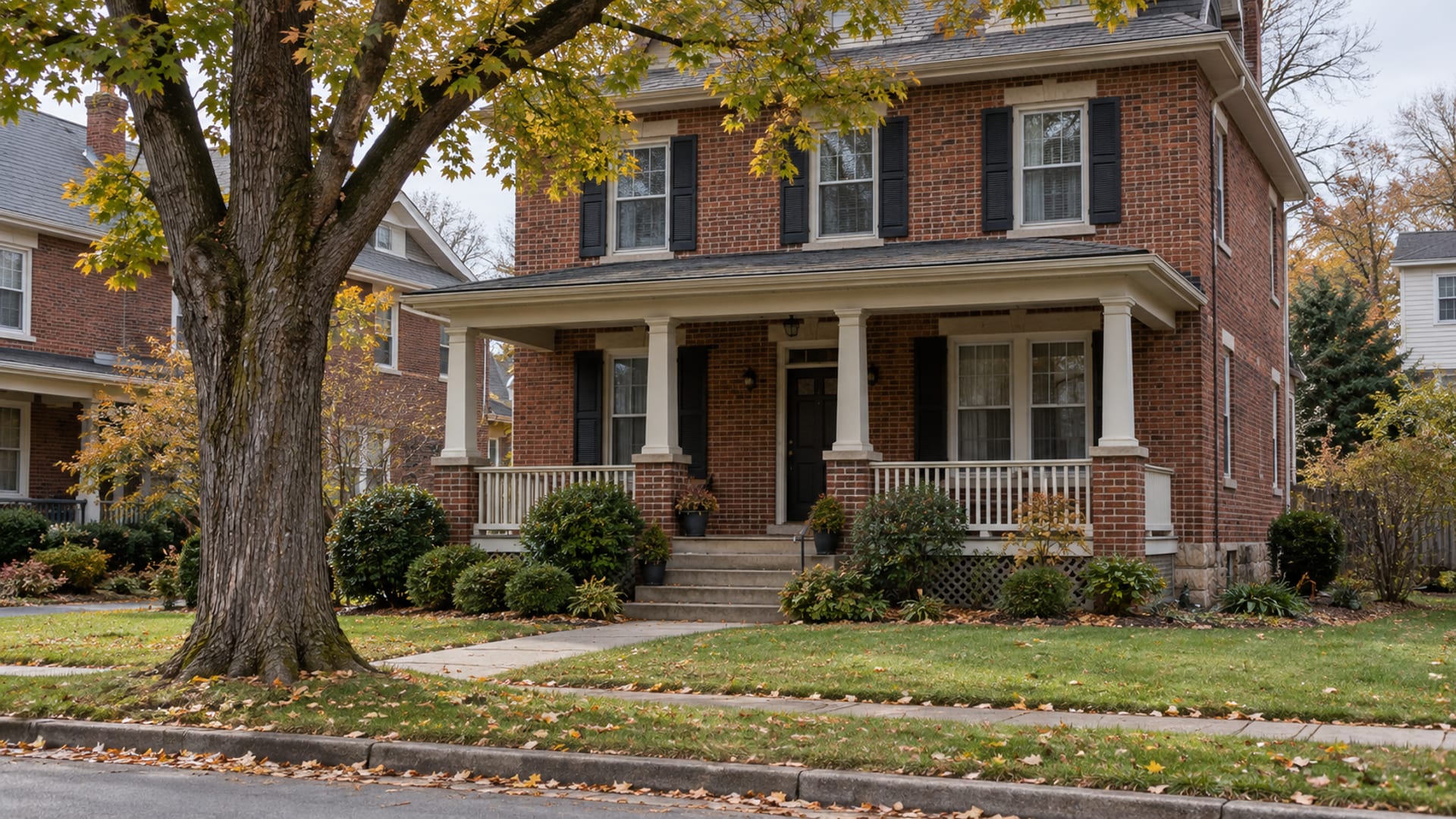
Pennsylvania state law does not require homeowners insurance, but most banks and lenders require coverage for at least the mortgage amount as a condition of the loan, according to the Pennsylvania Insurance Department (opens in a new tab). A standard policy generally covers the house, other structures, your belongings, extra living costs after a covered loss, personal liability, and medical payments to others. Flood, earth movement, and mine subsidence need separate treatment, and sewer backup may need an endorsement. Once a policy has been in force for 60 days, Pennsylvania law limits cancellation and nonrenewal to specific reasons, generally with at least 30 days' written notice, and you can ask the Insurance Department to review the notice within 10 days of receiving it.
Key takeaways
- State lawPennsylvania does not require homeowners insurance, but most banks and lenders require coverage for at least the mortgage amount.
- Standard coverageA standard policy generally covers the house, other structures, your belongings, extra living costs after a covered loss, personal liability and medical payments to others.
- Separate treatmentFlood, earth movement and mine subsidence need separate treatment, and sewer backup may need an endorsement.
- After 60 daysCancellation and nonrenewal are limited to specific reasons, generally with at least 30 days' written notice.
- Department reviewYou can ask the Insurance Department to review a notice within 10 days of receiving it.
Is homeowners insurance required in Pennsylvania?
No state law makes a Pennsylvania homeowner carry it. The requirement most owners run into comes from the mortgage. A lender that holds a loan on the house usually makes insurance a condition of the mortgage agreement, so the obligation is part of your contract with the lender rather than a state mandate, according to the Pennsylvania Insurance Department (opens in a new tab).
That contract does not tie you to the lender's favorite company. You are not required to buy from the insurer your lender recommends, according to the Pennsylvania Insurance Department homeowners guide (opens in a new tab). If you own your home outright, carrying coverage is your decision, though the same policy sections and exclusions apply whenever you buy one.

What a standard Pennsylvania homeowners policy covers
A homeowners policy is a package of separate coverages, each with its own job. The Pennsylvania Insurance Department (opens in a new tab) describes these main sections:
- Dwelling: the house and attached structures, including fixtures and permanently installed systems.
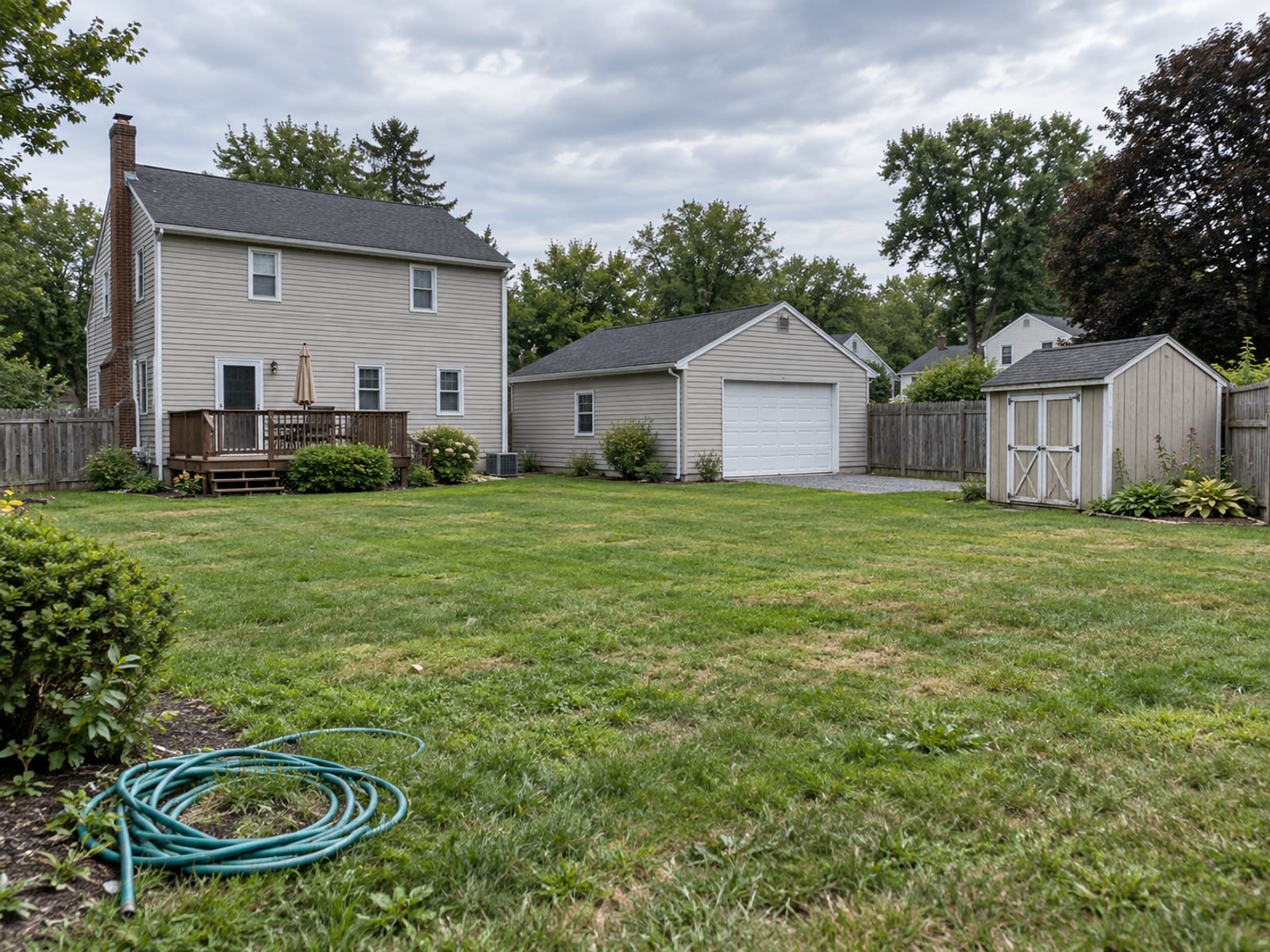
- Other structures: detached garages, sheds, fences, guest houses, and similar buildings.
- Personal property: furniture, appliances, electronics, clothing, lawn equipment, and other belongings. Coverage may apply away from home, subject to the policy terms.
- Loss of use: additional living expenses when a covered loss makes the home unlivable during repairs.
- Personal liability: protection for covered bodily injury or property damage claims that you or other insured people are legally responsible for.
- Medical payments to others: medical bills for people hurt on your property or by a covered household pet, subject to policy terms.
The most common owner-occupied form is the HO-3, which is the form the NAIC uses for its premium averages. The exact policy form and endorsements on your declarations page control what you actually have, so the form name is the first thing to confirm when you compare quotes.
What a standard policy leaves out
Several of the risks Pennsylvania homeowners ask about most sit outside a standard policy.
Flood. Standard homeowners policies do not cover flood damage, and flood insurance is a separate purchase, according to the Pennsylvania Insurance Department's flood insurance page (opens in a new tab). Ahead of the 2026 spring storm season, homeowners were urged to review their coverage in the Department's March 9, 2026 notice (opens in a new tab). Riskado's Pennsylvania flood insurance guide covers the separate policy in more detail.
Earth movement and earthquake. Both are common exclusions, according to the Department's homeowners guide (opens in a new tab).
Mine subsidence. Ordinary homeowners insurance usually does not include it. The Pennsylvania Department of Environmental Protection runs a separate Mine Subsidence Insurance program (opens in a new tab) that covers damage from the collapse or movement of underground coal or clay mines. It can also cover losses from a mine-water blowout, a sudden and unexpected discharge of mine water. Coverage is available for qualifying structures over or near known mineable coal, and DEP publishes a mine subsidence risk map (opens in a new tab) so you can check your address. Residential coverage of $150,000 costs $41.25 a year, residential pricing runs about 27 cents per $1,000 of coverage, and limits range from $5,000 to $1,000,000, according to DEP. Only Pennsylvania insurance producers with property and casualty authority can submit applications, so an agent is part of that process.
Hover or tap a row to highlight it.
| Item | Figure | Source |
|---|---|---|
| Residential coverage example | $41.25 a year for $150,000 of coverage | Pennsylvania DEP (opens in a new tab) |
| Residential pricing | About 27 cents per $1,000 of coverage | Pennsylvania DEP (opens in a new tab) |
| Coverage limits | $5,000 to $1,000,000 | Pennsylvania DEP (opens in a new tab) |
Sewer or drain backup. Check your policy wording. Backup coverage may require an endorsement added to the base policy. If your quote does not show one, ask the agent whether it is available and what limit it carries.
How much does homeowners insurance cost in Pennsylvania?
The average premium for an owner-occupied HO-3 policy in Pennsylvania was $1,179 in 2023, compared with a countrywide HO-3 average of $1,737, according to the NAIC 2023 Homeowners Report (opens in a new tab) (Table 4). That puts Pennsylvania about 32% below the national figure.
Treat both numbers as historical averages, not quotes. Each is reported written premium divided by house-years, and neither is adjusted for identical dwelling limits, deductibles, property features, or coverage choices. The data cover noncommercial homeowners package policies and may not include every smaller statistical agent. Your own premium can land well above or below the average depending on the house and the coverage you pick.
Why Pennsylvania premiums change
Homeowners premiums reflect property value, construction costs, vulnerability to catastrophes, urbanization, legal and economic conditions, the coverage amount, covered perils, limits, and deductibles, according to the NAIC (opens in a new tab). The Pennsylvania homeowners guide (opens in a new tab) adds factors closer to your own house: its age and condition, construction type, fire protection and distance from fire services, pools, pets, home businesses, claims history, optional endorsements, deductibles, and coverage choices.
Insurers in Pennsylvania file their rates with the Insurance Department, and requested increases are reviewed. In the first half of 2025, that review blocked $13.7 million in requested homeowners premium increases, according to the Department's July 9, 2025 rate review announcement (opens in a new tab). Insurers' costs were rising, and some requests were justified by the rising cost of the products and services the policies insure, the Department said. When a renewal comes in higher, ask the agent which rating factors changed and whether the increase reflects a filed rate change.
Can an insurer cancel or nonrenew a Pennsylvania homeowners policy?
Yes, but the rules depend on how long the policy has been in force.
During the first 60 days. This is the underwriting period, when the insurer reviews the risk it just accepted. An insurer may cancel during this window with at least 30 days' notice, and the notice must go out no later than the 60th day, under 31 Pa. Code § 59.9 (opens in a new tab).
After 60 days. For owner-occupied private residential property, the Unfair Insurance Practices Act, § 5(a)(9) (opens in a new tab) lets an insurer cancel or refuse to renew only for listed reasons, including:
- Material misrepresentation, fraudulent statements, omissions, or concealment of facts that mattered to accepting the risk.
- A substantial change or increase in hazard after the policy was issued.
- A substantial increase in hazard caused by the insured's willful or negligent acts or omissions.
- Failure to pay premium when due, including certain premium-finance arrangements.
- Other reasons approved by the Insurance Commissioner.
Claims history on its own is not on that list. Pennsylvania law prohibits termination for "claims" or "loss history," according to the Department's homeowner FAQ (opens in a new tab).
Roof and property-condition concerns raised from aerial photos fall under the same limits. Insurers must identify specific legal and factual reasons, prove a substantial increase in risk where that rule applies, and give consumers prior notice and a chance to correct hazardous conditions, according to the Department's May 24, 2024 aerial imagery notice (opens in a new tab). Suspicion from an image alone is not enough.
What the notice must contain. The written notice must state an effective date at least 30 days after delivery or mailing, give the specific reason or reasons, tell you about your right to request Insurance Department review within 10 days, and include FAIR Plan information where it applies, under the Unfair Insurance Practices Act (opens in a new tab). 31 Pa. Code § 59.6 (opens in a new tab) adds that the notice must be clearly labeled, provided in duplicate, and give clear and complete reasons. The review procedure itself is set out in 31 Pa. Code § 59.7 (opens in a new tab).
Renewals work a little differently. If the insurer offered or issued a renewal policy, or sent a renewal premium notice, at least 30 days before expiration, the ordinary nonrenewal restriction does not apply in the same way, and failing to pay that renewal premium can end coverage under the policy terms.
How Pennsylvania cancellation and nonrenewal rules unfold
- First 60 daysThe underwriting period. An insurer may cancel with at least 30 days' notice, sent no later than the 60th day.
- After 60 daysFor owner-occupied private residential property, cancellation or nonrenewal is allowed only for reasons the law lists.
- Written noticeThe effective date must be at least 30 days after delivery or mailing, and the notice must give the specific reason or reasons.
- Within 10 daysYou can request Insurance Department review of the notice within 10 days of receiving it.
What to do after a cancellation or nonrenewal notice
The 10-day review window is short, so work through these steps promptly:
- Keep the notice and the envelope, and write down the date you received it.
- Find the effective date and the stated reason.
- Call your insurer or agent and ask exactly what condition or fact led to the notice and whether it can be corrected.
- Fix any curable condition, such as a repair the insurer identified, and keep receipts and photos.
- Start looking for replacement coverage before the effective date, especially if a lender requires continuous insurance.
- If you believe the notice is wrong or the reason does not fit the law, request Insurance Department review in writing within 10 days of receiving it.
If coverage is ending and you have a mortgage, ask your lender what it does when a policy lapses, since your mortgage agreement sets that process.

Do older Pennsylvania homeowners get special protections?
Pennsylvania's homeowners rules do not give a discount or cancellation protection based on age alone. The Unfair Insurance Practices Act, § 5(a)(7) (opens in a new tab) prohibits certain unfair discrimination in underwriting standards or eligibility practices, including discrimination based on age, which is a different thing from a senior discount. If age-related pricing matters to you, ask the agency whether a particular insurer offers such a program and request the eligibility rules in writing.
The Pennsylvania FAIR Plan
If you cannot find coverage in the regular market, the Pennsylvania FAIR Plan, run by the Insurance Placement Facility of Pennsylvania, insures eligible property risks that the voluntary market will not take, according to its General Rules and Procedures (opens in a new tab). Eligibility depends on both the applicant and the property.
The FAIR Plan residential policy is simpler than a standard homeowners policy. It provides direct physical-loss coverage for specified perils, similar to basic and broad dwelling forms. Other perils, time-element losses, and indirect losses are not covered unless the policy or an endorsement adds them, and residential crime coverage is optional, according to the FAIR Plan policy provisions (opens in a new tab). Before you apply, compare its limits, deductibles, coinsurance, and exclusions against what your lender requires.
How Pennsylvania claims are handled
Pennsylvania regulations set timelines for how an insurer must respond once you report a claim:
Hover or tap a row to highlight it.
| Step | Deadline | Rule |
|---|---|---|
| Acknowledge the claim | Within 10 working days of notification, unless payment is made in that time | 31 Pa. Code § 146.5 (opens in a new tab) |
| Provide claim forms and help | Within 10 working days | 31 Pa. Code § 146.5 (opens in a new tab) |
| Complete the investigation | Within 30 days of notification, unless it cannot reasonably be done; then a written explanation and updates every 45 days | 31 Pa. Code § 146.6 (opens in a new tab) |
| Accept or deny | Within 15 working days of receiving properly executed proofs of loss; if more time is needed, a notice explaining why, then updates 30 days later and every 45 days after | 31 Pa. Code § 146.7 (opens in a new tab) |
These rules cover acknowledgment, investigation, and the accept-or-deny decision. For the payment itself, ask your insurer how its process and timing work under your policy.
Verifying an agent and filing a complaint
You can check whether a Pennsylvania agent or company is licensed with the Department's Find and Research an Insurance Agent or Company (opens in a new tab) tool, which also shows complaint, misconduct, and regulatory or enforcement information.
To file a complaint or ask a question, use the Department's Consumer Services Online Portal or call 1-877-881-6388, as listed on its complaint page (opens in a new tab). The portal lets you upload documents, message an assigned investigator, and track the complaint. You can also mail documents with your complaint ID to the Bureau of Consumer Services, 1209 Strawberry Square, Harrisburg, PA 17120, according to the portal FAQ (opens in a new tab).
Questions to ask a Pennsylvania insurance agency
Bring these questions to any agency you speak with. The Pennsylvania homeowners guide (opens in a new tab) and the NAIC's homeowners insurance page (opens in a new tab) explain the terms behind them.
- Which policy form is this quote for?
- How was the dwelling coverage amount calculated, and is the house settled at replacement cost or actual cash value?
- What valuation method applies to an older home?
- What are the exclusions for flood, earth movement, earthquake, mine subsidence, and sewer backup, and is sewer backup available by endorsement?
- How are detached structures and personal property valued?
- What are the loss-of-use conditions, and what liability and medical-payments limits are included?
- What deductible applies to each loss, and are there separate wind or hail deductibles?
- How are the roof, wiring, plumbing, heating system, pool, pets, or a home business treated, and what inspections or repairs apply?
- Which discounts or rating factors apply, and what documents do you need?
- How are claims reported and handled, and what happens if I receive a cancellation or nonrenewal notice?
- Are you licensed with property and casualty authority, and which insurers do you represent?
Riskado's directory lists insurance agencies across the United States, state by state, including agencies by city in Pennsylvania. Our guides on replacement cost vs actual cash value, how much homeowners insurance you need, and how to choose an insurance agent go further on several of these questions.
Check what you know about Pennsylvania homeowners insurance
Frequently asked questions
Can my lender pick my insurance company?
Your lender can require coverage as a condition of the mortgage, generally for at least the loan amount. You are not required to buy from the insurer the lender recommends, according to the Pennsylvania homeowners guide (opens in a new tab).
Can my insurer drop me for filing too many claims?
Pennsylvania law prohibits terminating a homeowners policy for "claims" or "loss history," according to the Department's homeowner FAQ (opens in a new tab). After 60 days, the insurer must point to one of the reasons listed in the statute.
How do I find out if my house is in a mine subsidence risk area?
DEP's mine subsidence risk map (opens in a new tab) shows site-risk categories by location. If your property qualifies, a Pennsylvania producer with property and casualty authority submits the application.
Is the FAIR Plan the same as a regular homeowners policy?
No. The FAIR Plan covers specified perils similar to basic and broad dwelling forms, and other perils or indirect losses need an endorsement. Compare its limits, deductibles, and exclusions before you apply.
What if my insurer is slow to answer my claim?
The insurer must acknowledge your claim within 10 working days and generally finish its investigation within 30 days, or explain the delay in writing. If those steps do not happen, you can file a complaint through the Department's Consumer Services portal or at 1-877-881-6388.
Before your next renewal
Pull out your declarations page and check four things: the policy form, how the house is valued, which exclusions and endorsements apply, and the deductibles. If a notice ever arrives, the dates on it matter most, especially the 10-day window for Department review. When you want a second set of eyes on a quote or a renewal, a licensed Pennsylvania agent can walk through the policy line by line, and you can confirm that agent's license with the Department before you sign anything.
Terms used in this guide
Tap a term to see what it means.
HO-3. The most common owner-occupied homeowners policy form, and the form the NAIC uses for its premium averages.
Declarations page. The part of a policy that lists the form, coverages, limits, endorsements and deductibles.
Loss of use. Coverage for additional living expenses when a covered loss makes the home unlivable during repairs.
Endorsement. A change added to the base policy, such as sewer or drain backup coverage.
Mine subsidence. Damage from the collapse or movement of underground coal or clay mines, insured through a separate DEP program.
Nonrenewal. An insurer's decision not to renew a policy at the end of its term.
FAIR Plan. The Pennsylvania program, run by the Insurance Placement Facility of Pennsylvania, that insures eligible property the voluntary market will not take.