Delaware Flood Insurance: Flood Zones by Address, When You Need It, and What It Costs
Riskado
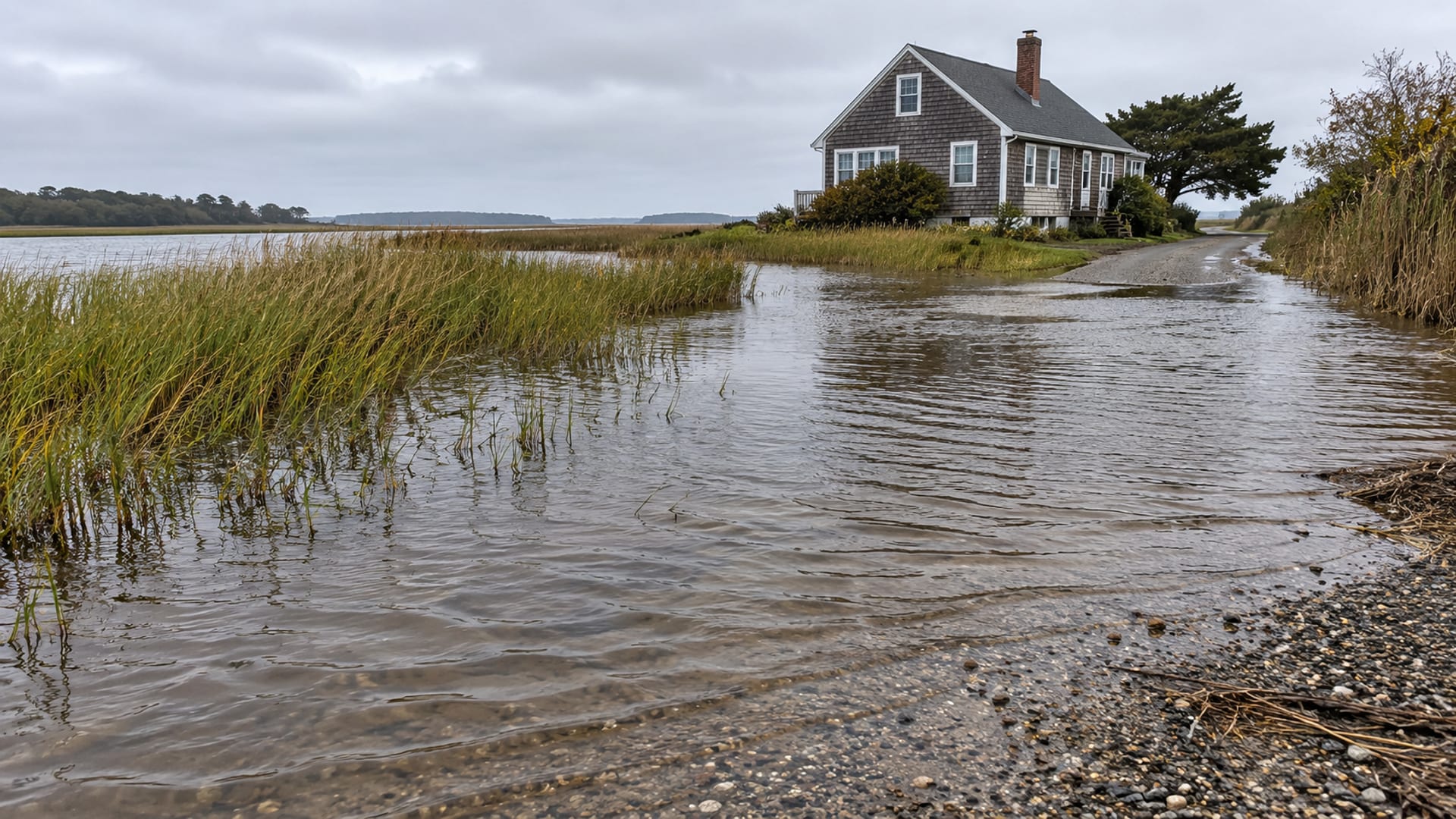
Delaware homeowners, renters and business owners need a separate policy for flood damage, because standard homeowners and business insurance doesn't cover floods, according to the Delaware Department of Insurance (opens in a new tab), and standard renters insurance doesn't either (DNREC (opens in a new tab)). Start by looking up your address in FEMA's Flood Map Service Center (opens in a new tab) and the DNREC Delaware Flood Planning Tool (opens in a new tab). If the building sits in a Special Flood Hazard Area and has a government-backed mortgage, flood insurance is required, and a lender can require it outside that area too (FloodSmart (opens in a new tab)). Limits, waiting periods, basement rules and price all depend on the property and the policy.
Key takeaways
- Separate policyStandard homeowners, business and renters insurance in Delaware don't cover flood damage.
- Check the addressLook up the property in FEMA's Flood Map Service Center and the DNREC Delaware Flood Planning Tool.
- When it is requiredA building in a Special Flood Hazard Area with a government-backed mortgage must carry flood insurance.
- Lenders can go furtherA lender can require flood insurance outside the Special Flood Hazard Area too.
- It dependsLimits, waiting periods, basement rules and price all depend on the property and the policy.
Does your current policy cover flooding?
If you have a standard homeowners or business policy in Delaware, flooding isn't part of it (Delaware Department of Insurance (opens in a new tab)). The same goes for a standard renters policy and your belongings (DNREC (opens in a new tab)). Flood protection comes from a separate policy, either through the National Flood Insurance Program (NFIP) or a private insurer. Most flood insurance in the United States is backed by the NFIP, and NFIP policies are sold through local agents in communities that participate in the program (Delaware Department of Insurance (opens in a new tab)).
If you aren't sure what you have, pull out your declarations page and ask your agent one direct question: is there any flood coverage on this property, and if so, is it building, contents or both?
How to check a Delaware flood zone by address
Three tools give you a fuller view of a single address, and they do different jobs.
- FEMA Flood Map Service Center. The Flood Map Service Center (opens in a new tab) is FEMA's official public source for flood hazard information supporting the NFIP. Search the address and look at the effective map, the flood zone, the floodplain boundary and, where shown, the base flood elevation.
- DNREC Delaware Flood Planning Tool. The Flood Planning Tool (opens in a new tab) is an interactive Delaware map with layers such as advisory flood heights (DNREC floodplain mapping (opens in a new tab)).
- DNREC future-risk maps. DNREC's Flood Risk Adaptation Map (opens in a new tab), connected to Delaware FirstMap, adds sea-level rise and future-risk planning layers.
Keep the roles straight. The DNREC Flood Planning Tool is a reference tool that may contain errors and may not show every area subject to flooding, especially flooding from small local drainage (DNREC Flood Planning Tool (opens in a new tab)). FEMA's effective map is the one that governs federal flood insurance decisions. Preliminary maps and future-looking tools help with planning, but they don't automatically replace the effective FEMA map (DNREC (opens in a new tab)). When you talk to a lender or agent, ask which map and zone they are using and whether a map revision is pending for the property.

What Delaware flood zones mean
High-risk flood zones generally begin with the letter A or V, and together they make up the Special Flood Hazard Area, or SFHA (FloodSmart (opens in a new tab)). Zone X marks moderate or lower mapped risk.
Lower mapped risk is not zero risk. Every zone carries some flood risk, and flood claims come from outside high-risk areas too (FloodSmart (opens in a new tab)). If your property's zone is wrong, FEMA has processes for map changes, such as a Letter of Map Amendment (LOMA).
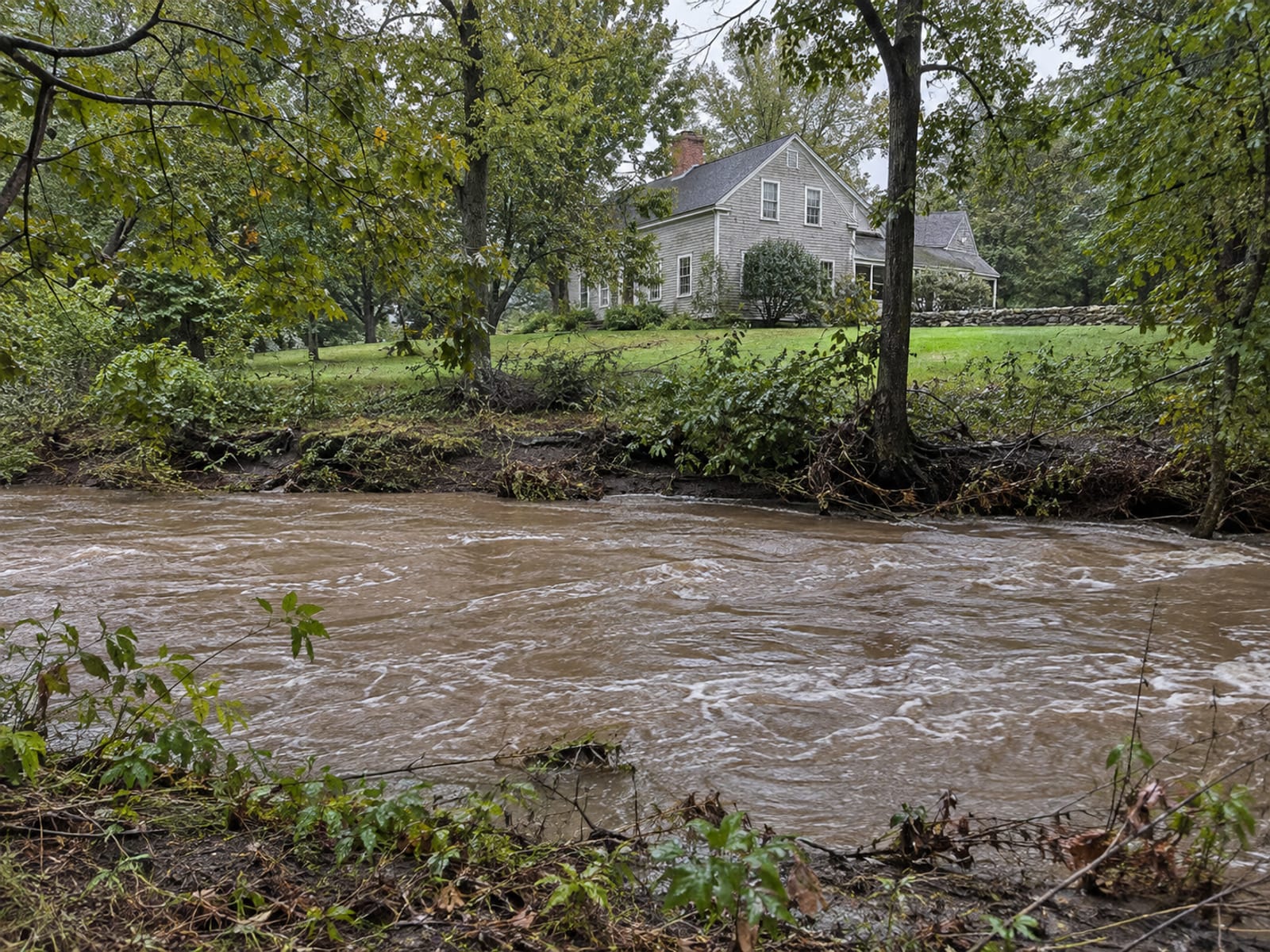
That gap between mapped and real-world risk matters in Delaware. Flooding affects both coastal and inland parts of the state, and some properties outside mapped floodplains are still at risk (DNREC (opens in a new tab)). DNREC identifies coastal storms, tidal flooding, sea-level rise, heavy rainfall and inland flooding as Delaware risks. A beach house in Fenwick Island and a home near a creek in New Castle County face different water, but both can flood.
When a lender requires flood insurance
Flood insurance is required when a home or business is in an SFHA and has a government-backed mortgage (FloodSmart (opens in a new tab)). That rule is tied to both the property and the loan, so it doesn't mean every Delaware property must carry flood coverage.
Your lender can go further. Some banks require flood insurance outside high-risk areas, and past federal disaster assistance can carry a condition that you keep flood insurance to qualify for future help (FloodSmart (opens in a new tab)). Ask your lender for its flood insurance requirement in writing, including any minimum limits and whether premiums will be escrowed, and confirm the property's current FEMA zone before closing.
What NFIP flood insurance covers
An NFIP policy has two separate parts: building coverage and contents coverage. You can carry one or both, and each has its own limit (FloodSmart (opens in a new tab)). The maximums depend on the type of building, according to FEMA's April 2024 NFIP Flood Insurance Manual (opens in a new tab):
Hover or tap a row to highlight it.
| Occupancy | Building limit | Contents limit |
|---|---|---|
| Single-family home | $250,000 | $100,000 |
| Residential manufactured or mobile home | $250,000 | $100,000 |
| Two-to-four-family building | $250,000 | $100,000 |
| Other residential building | $500,000 | $100,000 |
| Non-residential building | $500,000 | $500,000 |
| Non-residential manufactured or mobile building | $500,000 | $500,000 |
The policy pays for direct physical damage caused by a flood as the policy defines it, subject to deductibles and exclusions. It isn't a catch-all for every kind of water damage (FloodSmart (opens in a new tab)). Whether storm surge, tidal water, heavy rain or groundwater counts in a particular loss depends on the policy's flood definition, so ask the agent to walk you through it.
Basements and areas below an elevated floor
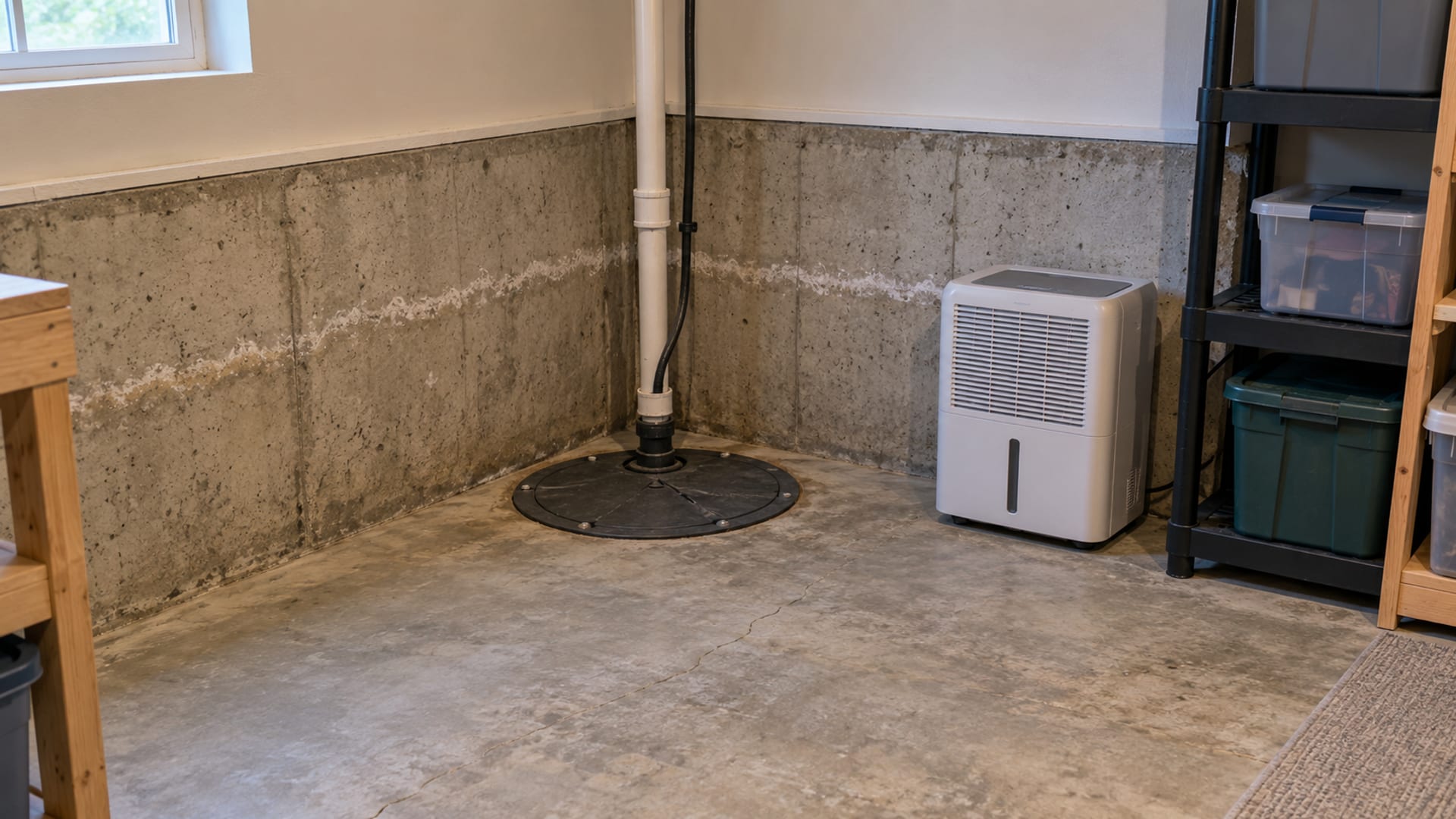
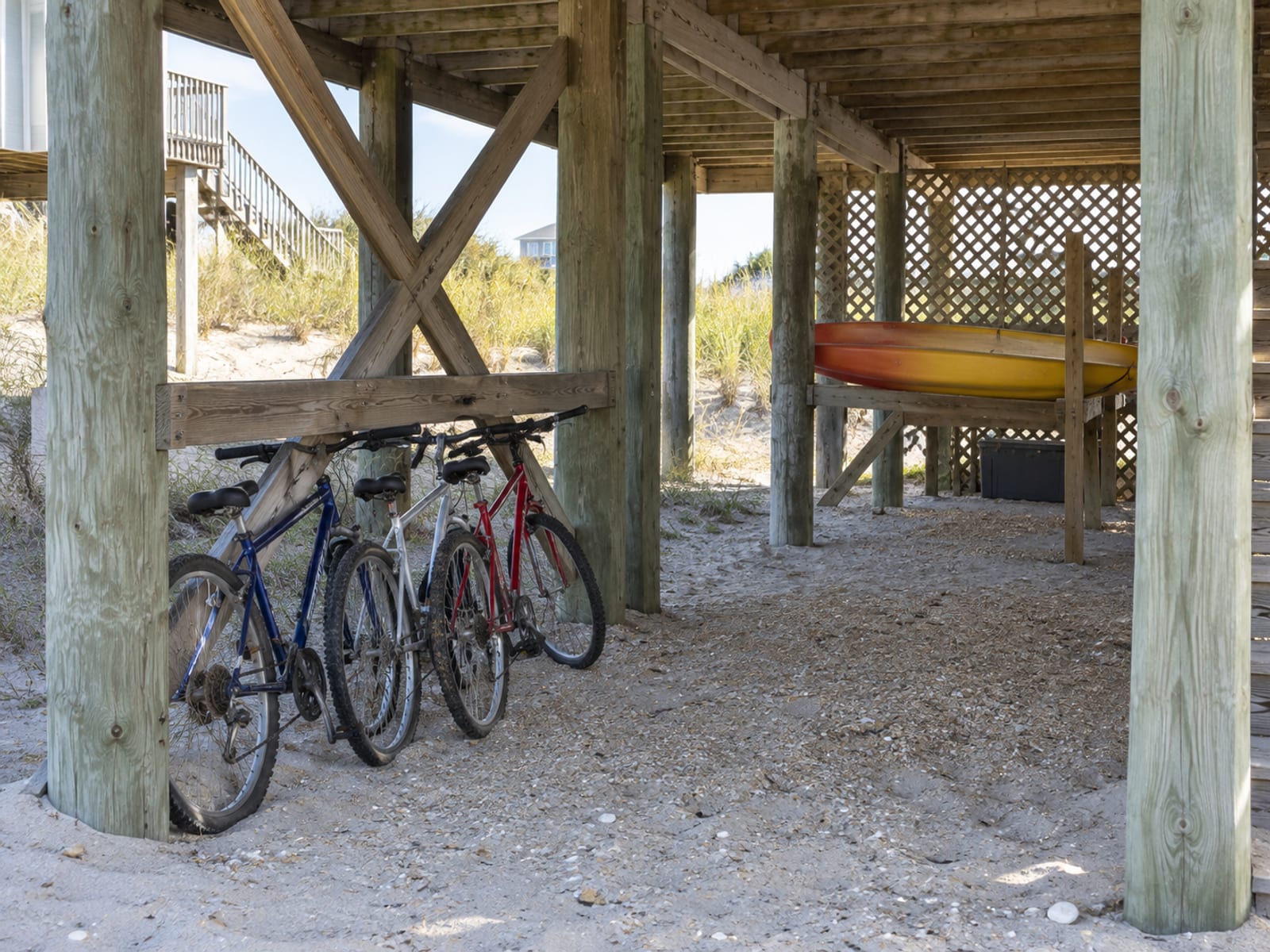
Basement coverage is limited. Certain installed building equipment and connected appliances may qualify, while many stored items in a basement don't (FEMA basement flooding fact sheet (opens in a new tab)). Many items kept below the lowest elevated floor of an elevated building, which is common on the Delaware coast, are also outside coverage. If you have a finished basement, crawlspace or ground-level storage under a raised home, ask exactly which items would be paid for.
How long before a new policy starts
A new NFIP policy, or an endorsement that adds or increases coverage, generally takes effect after a 30-day waiting period (FEMA NFIP Flood Insurance Manual (opens in a new tab)). Buying coverage once a storm is in the forecast usually won't help with that storm.
The manual lists exceptions:
- A one-day wait during the first 13 months after a map revision newly places a building in an SFHA.
- No waiting period for certain coverage bought in connection with making, increasing, extending or renewing a qualifying loan, when FEMA receives the application and full payment within the required time.
- A one-day wait for certain flooding after a wildfire, when FEMA's conditions are met.
Before you count on coverage, get the effective date from the agent or insurer in writing.
NFIP waiting periods
- New policy or added coverageGenerally a 30-day waiting period.
- Newly mapped into an SFHAA one-day wait during the first 13 months after a map revision.
- Loan-related purchaseNo waiting period for certain coverage bought with a qualifying loan, when FEMA receives the application and full payment in time.
- Flooding after a wildfireA one-day wait for certain flooding, when FEMA's conditions are met.
What Delaware flood insurance costs
Flood premiums in Delaware are based on the property's flood risk, the age of the home and its construction (Delaware Department of Insurance (opens in a new tab)). NFIP pricing under FEMA's Risk Rating 2.0 uses property-specific flood risk information, so two homes in the same zone can be priced differently.
Some Delaware communities take part in FEMA's Community Rating System (CRS), which can lower NFIP premiums for eligible policies in participating towns and counties. Ask your agent whether your community has a current CRS discount and how it applies to your policy.
For an actual number, ask an NFIP or private flood agent for a price based on the exact address, the building's details and the coverage you need.
Private and excess flood coverage
Some private companies sell flood insurance in Delaware, and the Delaware Department of Insurance list of private flood insurers (opens in a new tab), updated October 22, 2025, names companies that may offer residential, personal and commercial flood coverage. Private policies can differ from NFIP policies in limits, waiting periods, exclusions, how damage is valued, deductibles and claims handling.
If your home or building is worth more than NFIP limits, ask whether excess flood coverage is available above the NFIP policy. Availability depends on the property, the underlying policy, the insurer and underwriting. Get the limits, exclusions, waiting period and any underlying-policy requirements in writing before you choose.
What a Delaware seller must disclose
If you're buying, the seller's disclosure is one more source of flood information. Under 6 Del. C. § 2572 (opens in a new tab), a seller of covered residential property must disclose known material defects in writing before signing the listing agreement and update the disclosure for material changes before settlement. Under § 2573 (opens in a new tab), the Seller's Disclosure of Real Property Condition Report must go to prospective buyers or their agents before an offer and becomes part of the purchase agreement. The law covers homes of one to four dwelling units, with some exemptions.
Two limits matter here. The completed disclosure is a good-faith effort, not a warranty, and it doesn't replace inspections (6 Del. C. § 2574 (opens in a new tab)). The law also requires disclosure of known material defects in general rather than a separate flood zone certification, so prior flooding may fall under that duty depending on the facts. The Delaware Real Estate Commission rule (opens in a new tab) requires licensees to get the condition report before taking a listing and provide it before an agreement of sale. Read the report closely, ask the seller directly about past water in the home, and check the flood zone yourself.
How to file a Delaware flood claim
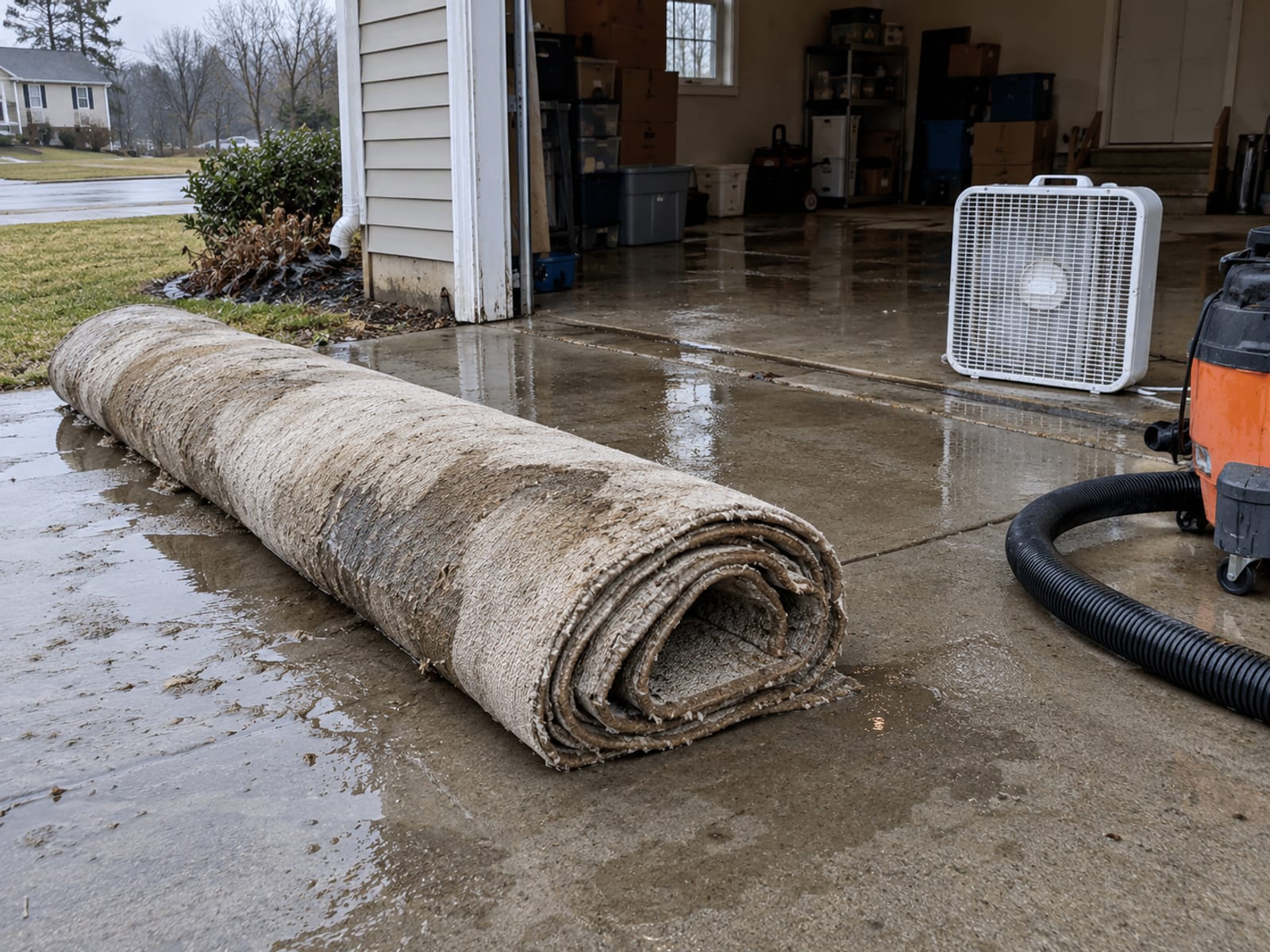
After a flood, report the loss to your insurer as soon as you can, with your policy number if you have it, and confirm whether you carry building coverage, contents coverage or both (FloodSmart claims checklist (opens in a new tab)). An adjuster should contact you within 48 hours of the report.
While you wait, build your record:
- Photograph and video the building, waterlines, damaged items, appliances and structural damage when it is safe.
- List damaged items with descriptions, quantities, approximate age, value, make, model and serial numbers (FloodSmart (opens in a new tab)).
- Keep samples of materials such as carpet or flooring if you must throw them out.
- Hold damaged property for the adjuster unless it's a health hazard or local rules require disposal.
- Gather receipts, invoices and repair records.
- Confirm the adjuster's identity and Flood Control Number.
Submit your documentation to the insurer within 60 days of the flood or within the timeframe the adjuster or insurer gives you. If covered damage was left off the estimate, you can request more. If the claim is denied, you can appeal to FEMA within 60 days of the denial letter (FloodSmart claims checklist (opens in a new tab)).
Filing a Delaware flood claim
- Report the lossContact your insurer as soon as you can, with your policy number if you have it, and confirm whether you carry building coverage, contents coverage or both.
- Adjuster contactAn adjuster should contact you within 48 hours of the report.
- Build your recordPhotograph damage when it is safe, list damaged items, keep material samples and gather receipts.
- Submit documentationWithin 60 days of the flood or within the timeframe the adjuster or insurer gives you.
- Appeal if deniedYou can appeal to FEMA within 60 days of the denial letter.
Questions to ask a Delaware flood insurance agent
Bring these to an agent or your lender (FloodSmart (opens in a new tab); Delaware Department of Insurance (opens in a new tab)):
- Is this an NFIP or a private policy, and does it cover the building, contents or both?
- What are the limits, deductibles and exclusions, and how is damage valued?
- How are basements, crawlspaces, garages and areas below an elevated floor treated?
- Does the flood definition include storm surge, tidal water, heavy rain or groundwater?
- What is the effective date, and does a mortgage closing or map revision exception apply?
- Which map and flood zone were used to price the policy?
- Is excess coverage available above NFIP limits?
- Does my community have a current CRS discount?
- What does my lender require for limits or escrow?
- What happens if the policy lapses, and are there conditions tied to prior flood claims or disaster assistance?
Check what you know about Delaware flood insurance
Frequently asked questions
Do renters in Delaware need flood insurance?
Standard renters insurance doesn't cover flood damage to your belongings (DNREC (opens in a new tab)). NFIP contents coverage is sold separately from building coverage, so a renter can insure belongings without owning the building (FloodSmart (opens in a new tab)).
Does Zone X mean my property won't flood?
No. Every flood zone carries some risk, and claims come from outside high-risk areas (FloodSmart (opens in a new tab)). A lender can also require coverage in Zone X.
Can a business in Delaware get NFIP coverage?
Yes. A non-residential building can carry up to $500,000 in building coverage and $500,000 in contents coverage under the NFIP (FEMA NFIP Flood Insurance Manual (opens in a new tab)). Private commercial flood coverage is also offered by some insurers in Delaware (Delaware Department of Insurance (opens in a new tab)).
Does the NFIP cover a property in a town that isn't in the program?
NFIP policies are available in participating communities (Delaware Department of Insurance (opens in a new tab)). Ask your agent to confirm your community's participation, and ask about private options if needed.
Your next step
Look up the address, find out what your lender requires, and get a property-specific price from an agent before you need it, given the 30-day wait. Riskado's directory lists insurance agencies across the US, including Delaware communities from Wilmington to Dover, so you can find an agency near the property and bring the questions above.
Terms used in this guide
Tap a term to see what it means.
National Flood Insurance Program (NFIP). The federal program that backs most flood insurance in the United States, sold through local agents in participating communities.
Special Flood Hazard Area (SFHA). The high-risk flood zones, generally beginning with the letter A or V.
Zone X. A flood zone that marks moderate or lower mapped risk.
Letter of Map Amendment (LOMA). A FEMA process for changing a property's zone when the map is wrong.
Building coverage. The part of an NFIP policy that covers the structure, with its own limit.
Contents coverage. The part of an NFIP policy that covers belongings, with its own limit.
Community Rating System (CRS). A FEMA program that can lower NFIP premiums for eligible policies in participating communities.
Excess flood coverage. Coverage above the NFIP policy limits, where available.