Delaware Renters Insurance: What It Costs, What It Covers, and Whether a Landlord Can Require It
Riskado
Delaware's Residential Landlord-Tenant Code doesn't set a general statewide requirement that tenants carry renters insurance, but your lease or housing contract can still ask for proof of coverage, so read it first. Renters insurance protects your belongings and your personal liability, and it may pay for temporary housing after a covered loss. Your landlord's policy covers the building, not your things. Standard renters policies generally exclude flood damage. The average Delaware tenant policy premium was $146 in 2023, according to the NAIC. If you're a University of Delaware student, check a parent's homeowners policy and the university's housing terms before assuming you're covered.
Key takeaways
- No statewide mandateDelaware's Residential Landlord-Tenant Code doesn't set a general requirement that tenants carry renters insurance.
- Your lease canA lease or housing contract can still ask for proof of coverage, so read it first.
- What it protectsYour belongings, your personal liability and, after a covered loss, possibly temporary housing.
- Landlord's policyIt covers the building, not your things.
- FloodStandard renters policies generally exclude flood damage.
- Average premiumThe average Delaware tenant policy premium was $146 in 2023, according to the NAIC.
- StudentsUniversity of Delaware students should check a parent's homeowners policy and the university's housing terms.
Is renters insurance required in Delaware?
Not by statute. Delaware Code Title 25, §5101 (opens in a new tab) says the Residential Landlord-Tenant Code governs residential rental relationships and makes lease provisions that conflict with it unenforceable, and §5106 (opens in a new tab) covers rental-agreement terms and termination. Neither section creates a general renters insurance mandate.
That doesn't settle what your lease says. A landlord can put insurance terms in a lease or an addendum, and whether a specific clause holds up depends on the exact wording, the type of housing and whether the arrangement falls under the Code at all. Student housing provided by a college and certain short-term seasonal rentals are excluded from parts of the Code under §5102 (opens in a new tab).
If a lease deadline is coming up, read the lease, any addenda and the housing contract, then ask the landlord or housing office to put in writing what coverage they want, what limits, and what form of proof they accept. Ask, too, whether the landlord needs to be listed as an interested party on your policy.
What does Delaware renters insurance cover?
A renters policy, called an HO-4 tenant policy in the industry, has several parts. The Delaware Department of Insurance (opens in a new tab) describes renters insurance as covering personal property, personal liability and, in some cases, temporary housing.
Personal property. This pays for your belongings, such as clothing, furniture, electronics, appliances and computers, when they're damaged or stolen by a covered cause of loss. Limits, a deductible and exclusions apply. Our page on what renters insurance covers goes through the common covered causes, and does renters insurance cover theft covers break-ins and stolen items in more detail.
Personal liability. If you're legally responsible for injuring someone or damaging their property, this part can pay. That can include accidental damage to the landlord's building, though you should ask your agent how your policy treats it.
Medical payments. Many policies include a smaller medical payments coverage for certain injuries to guests, subject to policy terms.
Loss of use or additional living expenses. If a covered event like a fire makes your apartment unlivable, this coverage can help pay for a hotel or temporary housing. Keep every receipt.
What does renters insurance usually exclude?
Flood is the big one. Flood damage is not covered under renters insurance, according to the Delaware Department of Insurance Homeowners Guide (opens in a new tab). If you rent near the coast or in a flood-prone area, ask an agent about separate flood coverage.
Other limits apply too. Damage has to come from a covered cause of loss. High-value items such as jewelry, collectibles, cameras and computers may have special sublimits unless you schedule them separately, according to the Delaware DOI College Insurance Guide (opens in a new tab). Business property kept at home may also be limited.
Roommates are a common surprise. Coverage is tied to the named insured and the policy terms, so your roommate's belongings aren't automatically covered under your policy. If you share an apartment, ask how each person and any shared property will be treated, or whether each roommate needs a policy.
What does the landlord's insurance cover?
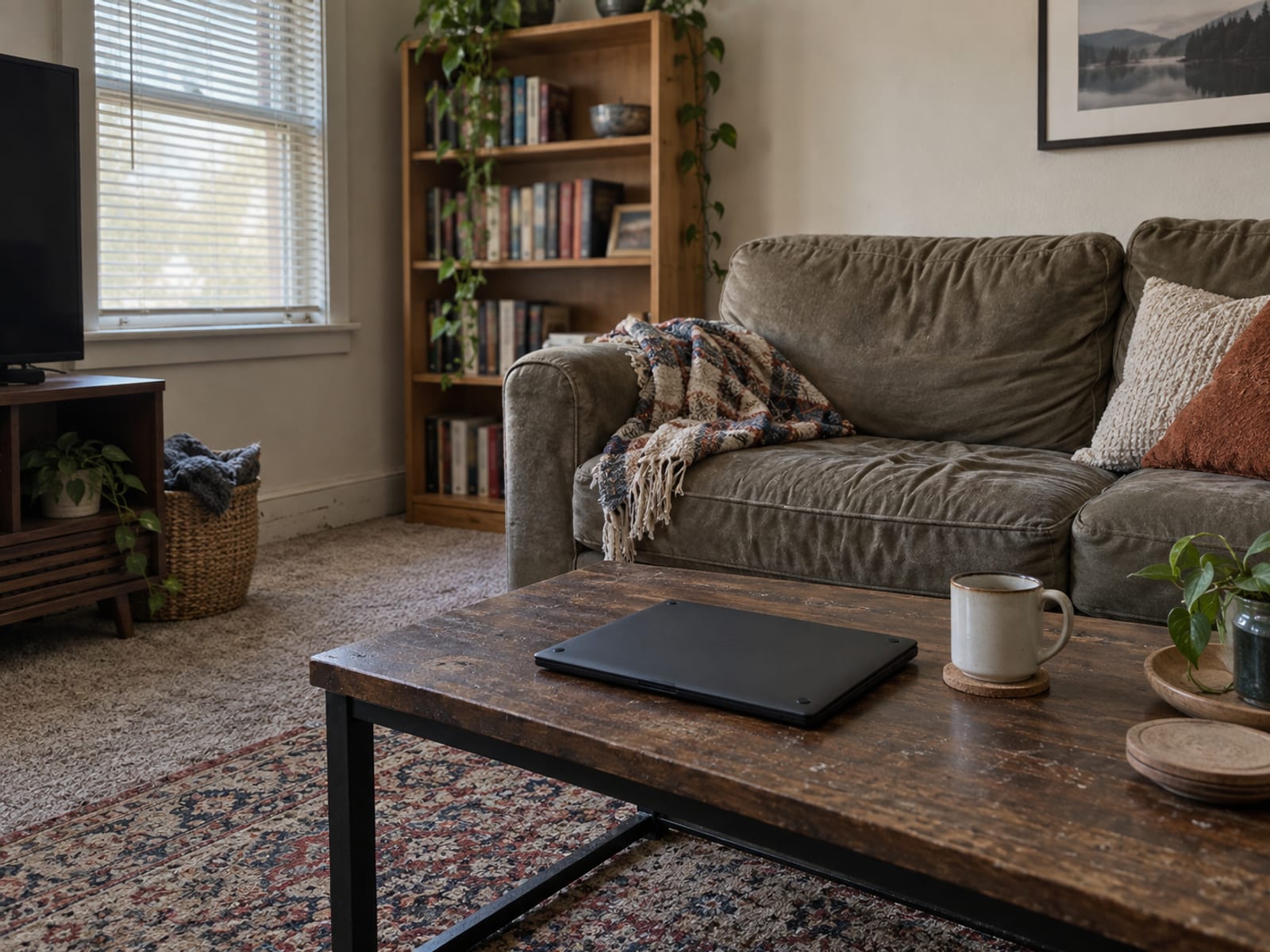
Your landlord's insurance covers the structure, not your personal belongings or your liability for injuries and damage, according to the Delaware Department of Insurance (opens in a new tab). If a kitchen fire damages the walls and your laptop, the landlord's policy addresses the walls. Your laptop is your own policy's job.
Hover or tap a row to highlight it.
| Loss | Landlord's policy | Your renters policy |
|---|---|---|
| Damage to the building's structure | Covers the structure | Not the structure, though liability may address accidental damage you cause; ask your agent |
| Your belongings | Does not cover them | Personal property coverage, subject to limits, deductible and exclusions |
| Your liability for injuries or damage | Does not cover it | Personal liability coverage |
| Minor injuries to guests | Does not cover them | Medical payments coverage in many policies, subject to policy terms |
| Hotel or temporary housing after a covered loss | Does not cover it | Loss of use or additional living expenses |
How much does renters insurance cost in Delaware?
The average written premium for a tenant (HO-4) policy in Delaware was $146 for 2023, according to the NAIC 2023 Homeowners Report (opens in a new tab). The same report lists a $153 average for Pennsylvania. These are statewide averages across all tenant policies written, not a quote or an estimate of what you'll pay. Your price depends on the coverage limits, deductible, valuation method and the insurer. For help picking limits, see how much renters insurance do I need.
Hover or tap a row to highlight it.
| Item | Figure or rule | Source |
|---|---|---|
| Delaware 2023 average HO-4 premium | $146 | NAIC 2023 Homeowners Report (opens in a new tab) |
| Pennsylvania 2023 average HO-4 premium | $153 | NAIC 2023 Homeowners Report (opens in a new tab) |
| Certain seasonal rentals excluded from parts of the Code | Nonrenewable terms of 120 days or less in listed areas | Delaware Code Title 25, §5102 (opens in a new tab) |
| Tenant election after a fire or casualty | Written notice of the decision to quit within one week after vacating | Delaware Code Title 25, §5309 (opens in a new tab) |
| Claim handling standard | Reasonably prompt action on claim communications; coverage affirmed or denied within a reasonable time after proof of loss | Delaware Code Title 18, §2304 (opens in a new tab) |
Replacement cost or actual cash value?
This choice affects how much a claim pays. Actual cash value accounts for depreciation, while replacement cost addresses the current cost of a comparable item, subject to the policy's conditions and limits. The Delaware DOI College Insurance Guide (opens in a new tab) uses a television to show the difference: actual cash value pays what the old TV was worth after depreciation, while replacement cost pays toward buying a comparable new one.
If you own jewelry, collectibles or expensive electronics, ask whether scheduled personal property or another endorsement is available and what appraisal or documentation the insurer needs.
Does a parent's policy cover a University of Delaware student?
Sometimes. The University of Delaware undergraduate housing contract (opens in a new tab) tells students to review a homeowners policy held by the student or family to see whether the contents of a University room are already covered, could be covered by a rider, or require renters insurance.
A student in college-owned housing may have personal property coverage through a parent's homeowners policy, but families should review the actual policy with the agent or insurer, according to the Delaware DOI College Insurance Guide (opens in a new tab). On-campus and off-campus housing can be treated differently. Before move-in, confirm with the parent's insurer the student's housing type, how much property is covered, whether liability coverage extends to the student, the valuation method and any exclusions.
What about beach and seasonal rentals?
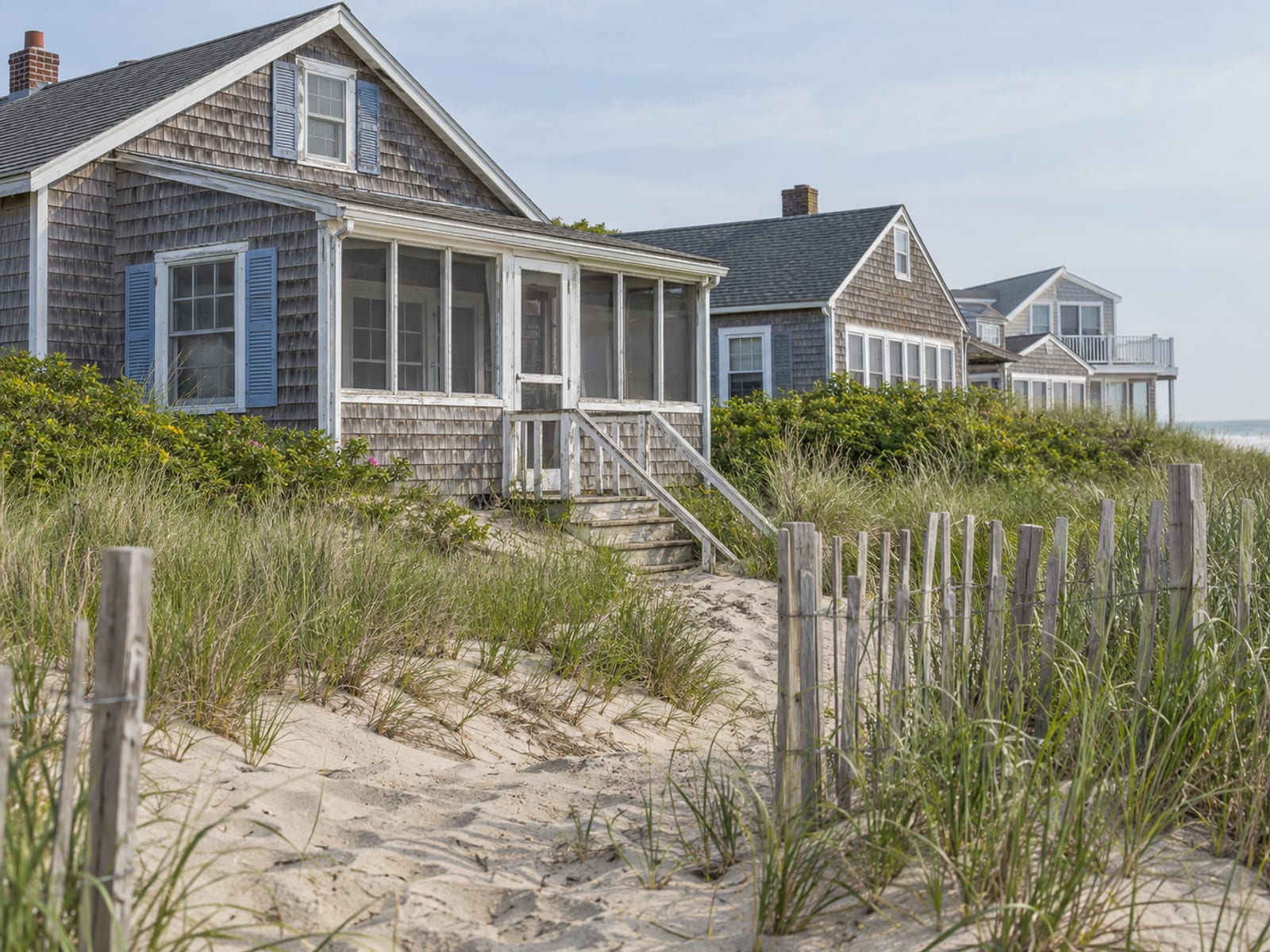
Title 25, §5102 (opens in a new tab) excludes certain nonrenewable rental agreements of 120 days or less, for dwellings in listed areas including several Sussex County hundreds, from the Residential Landlord-Tenant Code. That exclusion doesn't decide what your insurance covers, and the seasonal lease itself still matters.
For a summer rental in Rehoboth Beach, Lewes or Bethany Beach, ask the landlord and a licensed agent:
- Does the agreement require liability or property insurance?
- Am I responsible for damage to the premises?
- Does my existing policy cover me and my property for this stay?
- Do vacation-rental or short-term occupancy exclusions apply?
- Do flood, wind, water or coastal exclusions apply?
The Delaware Department of Insurance consumer alerts (opens in a new tab) also address renter liability and home-sharing questions.
What happens if a fire makes your Delaware rental unlivable?
Delaware law gives tenants options. If fire or another casualty substantially impairs your use of the unit and you weren't at fault, Title 25, §5309 (opens in a new tab) lets you:
- Move out and notify the landlord in writing of your decision to quit within one week after vacating.
- If continued occupancy is lawful, vacate the unusable part, with rent reduced in proportion to the lost rental value.
- Receive your security deposit, pet deposit and prepaid rent when the agreement ends, subject to lawful deductions.
Those rights work alongside your insurance. If you have loss-of-use coverage, your policy may help with hotel or temporary housing costs while you sort out where to live.
How do you file a Delaware renters insurance claim?
Act quickly and keep a paper trail. A practical sequence:
- Get everyone safe and deal with emergency hazards.
- Notify your insurer promptly through the claims channel in your policy.
- Tell the landlord about building damage and access problems.
- Photograph or video the damage before throwing anything away, when it's safe.
- List damaged or stolen property.
- Gather receipts, invoices, serial numbers, warranties, appraisals and photos that show ownership.
- Report theft or vandalism to police and keep the report number.
- Complete the insurer's proof-of-loss forms accurately and by the policy deadline.
- Keep copies of everything you send and receive.
A home inventory made before anything happens helps establish ownership and process a claim, according to the Delaware Department of Insurance (opens in a new tab).
What if your claim is delayed or denied?
Delaware's unfair claims practices law, Title 18, §2304 (opens in a new tab), prohibits insurers, as a general business practice, from failing to acknowledge and act reasonably promptly on claim communications, refusing to pay without a reasonable investigation, or failing to affirm or deny coverage within a reasonable time after you complete proof-of-loss statements.
Ask the insurer which deadline applies to your claim under your policy. If the response isn't reasonably prompt, request a written explanation, keep your claim file and contact the Delaware Department of Insurance Consumer Services Division through its consumer guides page (opens in a new tab).
How do you check a Delaware agent or insurer?
The Delaware Department of Insurance offers a licensee lookup (opens in a new tab) with the NAIC's State Based Systems, where you can check an agent's license status. The Department advises checking credentials before giving anyone money, according to its fraud prevention page (opens in a new tab). If a seller won't answer questions, contact the Department.
Questions to ask an agency
- Is this an HO-4 tenant policy, and which causes of loss does it cover?
- Is my property insured at actual cash value or replacement cost?
- What's the deductible, and which items have special limits?
- Is flood excluded, and what would separate flood coverage involve?
- Does it pay additional living expenses after a covered loss?
- Who is covered if I have roommates?
- Does liability cover accidental damage to the landlord's property?
- How do I get proof of insurance for my landlord?
- What happens if I miss a payment or the policy lapses?
Riskado's directory lists insurance agencies across the US, including Delaware agencies in Wilmington, Newark, Dover and the beach towns, by city and by category. Comparing renters coverage in another state? See Connecticut renters insurance or NYC renters insurance.
Check what you know about Delaware renters insurance
Frequently asked questions
How do I show my landlord proof of renters insurance?
Ask your agent or insurer how to get proof of coverage for the landlord, and whether the landlord needs to be listed as an interested party. Check the lease for the limits and the form of proof it asks for, so the document you hand over matches.
Does renters insurance cover a seasonal rental at the beach?
Ask your insurer before the lease starts whether your existing policy covers you and your property for that stay, and whether short-term occupancy or coastal exclusions apply. Check the seasonal lease for its own insurance requirements too.
What documents should I keep before anything goes wrong?
Keep your lease, your declarations page, a home inventory with photos or video, and receipts or serial numbers for higher-value items. Those records make a proof-of-loss form much easier to complete.
Is a college dorm covered by Delaware's landlord-tenant law?
Student housing provided by a college is excluded from parts of the Residential Landlord-Tenant Code under §5102 (opens in a new tab). The housing contract sets most of the terms, so read it alongside any insurance policy.
The bottom line for Delaware renters
State law leaves the insurance question mostly to your lease, and your landlord's policy won't replace your belongings. Read the lease, decide between actual cash value and replacement cost, ask about flood and roommates, and keep an inventory so a claim goes smoothly if you ever need one.
Terms used in this guide
Tap a term to see what it means.
HO-4 tenant policy. The industry name for a renters insurance policy.
Personal property coverage. The part of a renters policy that pays for your belongings when a covered cause of loss damages or takes them.
Personal liability. Coverage that can pay when you're legally responsible for injuring someone or damaging their property.
Loss of use. Coverage, also called additional living expenses, that can help pay for temporary housing after a covered loss.
Actual cash value. A valuation method that accounts for depreciation.
Replacement cost. A valuation method that addresses the current cost of a comparable item, subject to policy conditions and limits.
Scheduled personal property. An option to list high-value items separately so special sublimits don't cap them.
Proof of loss. The insurer's form for stating what was damaged or lost and its value.
Declarations page. The page of a policy that lists the coverages, limits and deductibles.