Vermont Homeowners Insurance: What It Costs, What It Covers, and How to Compare Quotes
Riskado
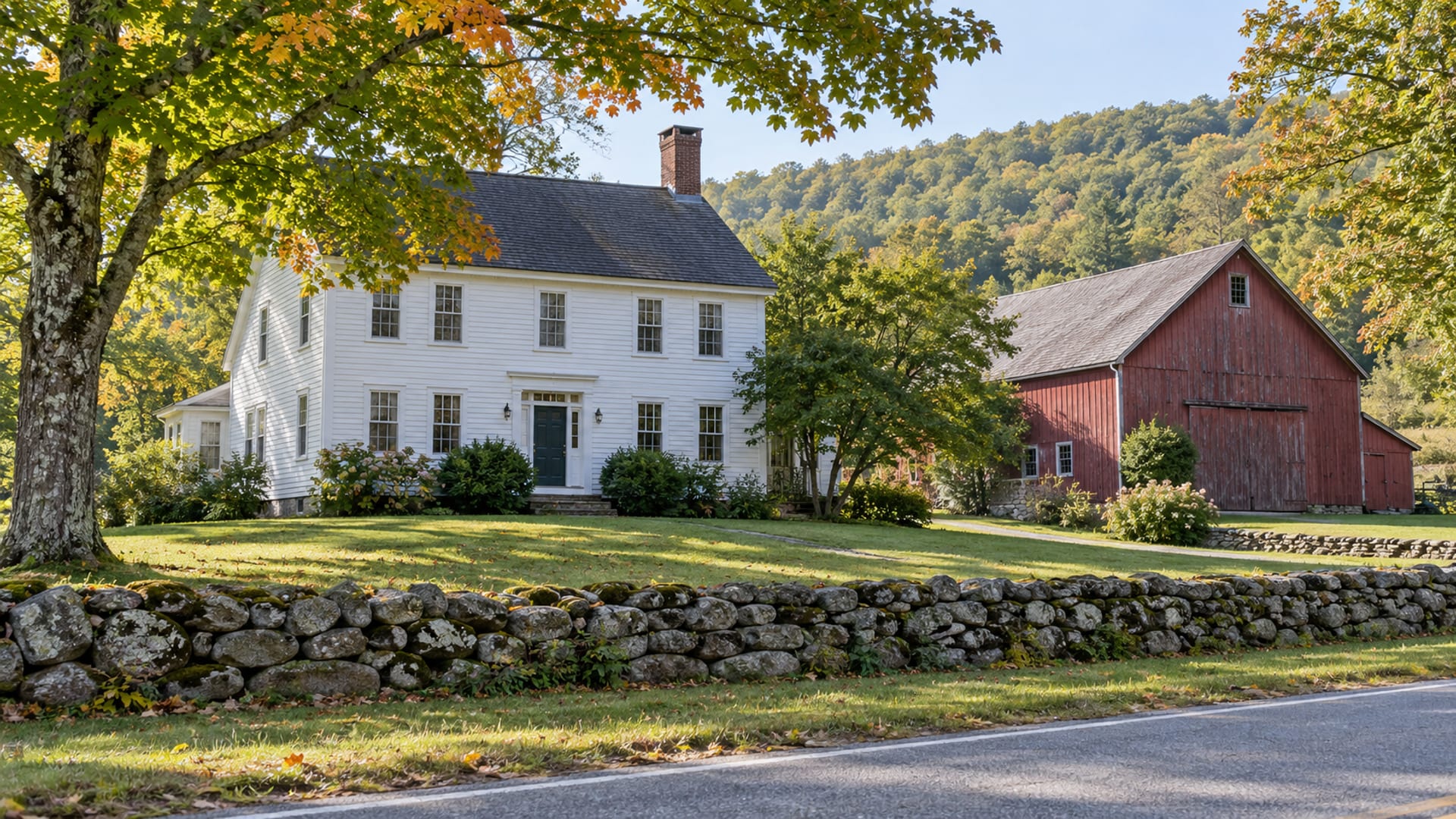
Vermont's average premium for a standard HO-3 homeowners policy was $1,231 in 2023, according to the NAIC 2023 Homeowners Report (opens in a new tab). That is a statewide average across many homes and coverage choices, so it gives you a rough reference point rather than a price for your house, camp, farmhouse or condo. An HO-3 policy covers the home, other structures, your belongings, extra living costs after a covered loss, personal liability and medical payments to others, subject to limits, deductibles, exclusions and conditions. Standard policies generally exclude flood damage, and sewer or drain backup may need an endorsement, according to the Vermont Department of Financial Regulation (DFR) (opens in a new tab). Figures were checked October 1, 2026.
The most useful thing you can do with a quote is compare it to another quote built on the same coverage.
Key takeaways
- Average premiumVermont's average HO-3 premium was $1,231 in 2023, a statewide reference point rather than a price for your house.
- What an HO-3 coversThe home, other structures, your belongings, extra living costs after a covered loss, personal liability and medical payments to others.
- FloodStandard policies generally exclude flood damage.
- Sewer or drain backupIt may need an endorsement.
- Comparing quotesCompare a quote to another quote built on the same coverage.
What Vermont Homeowners Insurance Costs
The NAIC's state averages give context over time. Vermont's HO-3 average was $1,109 in 2022, when the national homeowners average was $1,569, according to an Insurance Information Institute table of NAIC data (opens in a new tab). The same 2022 table shows $1,077 in Maine, $1,188 in New Hampshire, $1,871 in Massachusetts and $1,628 in New York.
Hover or tap a row to highlight it.
| Data point | Figure | Source |
|---|---|---|
| Vermont HO-3 average premium, 2023 | $1,231 | NAIC 2023 Homeowners Report |
| Vermont HO-3 average premium, 2022 | $1,109 | NAIC data via Insurance Information Institute |
| U.S. homeowners average, 2022 | $1,569 | NAIC data via Insurance Information Institute |
| Vermont average flood policy, December 2025 | $1,489 a year | Flood Ready Vermont |
Compare figures from the same year. The 2023 Vermont figure and a 2022 figure from a neighboring state measure different years.
Your own premium depends on the property and the policy. Property location, coverage limits, credit information and claim history all affect individual premiums, according to the DFR's January 2025 advisory on rising premiums (opens in a new tab).
Why Vermont Premiums Have Been Rising
Premiums have climbed for reasons that reach across the whole market. The DFR's January 13, 2025 advisory (opens in a new tab) points to more claims and higher average claim costs, catastrophic events, inflation, higher supply and repair costs, supply-chain disruptions and higher reinsurance costs. Automatic or inflation-related increases to your dwelling limit can also raise a renewal premium, since you are buying more coverage.
The DFR reviews proposed rate changes for whether they are excessive, inadequate or unfairly discriminatory, but it does not set individual homeowners premiums. If your renewal jumps, ask your agent which part comes from a rate change and which comes from a higher coverage limit or a change in how your property is rated.
What a Standard Vermont Homeowners Policy Covers
An HO-3 generally gives open-peril coverage on the house, meaning it covers causes of loss unless they are excluded, and named-peril coverage on your belongings, meaning only listed causes are covered, according to the NAIC report (opens in a new tab). The policy is built from these parts, according to the DFR Homeowners Insurance Guide (opens in a new tab):
- Dwelling covers the main house.
- Other structures covers detached buildings such as a garage, shed or barn.
- Personal property covers your belongings.
- Loss of use, also called additional living expense, pays extra costs when a covered loss makes the home unlivable.
- Personal liability covers your legal responsibility for injuring others or damaging their property.
- Medical payments covers certain injuries to other people.
What Vermont Homeowners Insurance Leaves Out
Flood is the largest gap for many Vermont properties. Standard homeowners policies generally exclude flood damage, according to the DFR (opens in a new tab), and flood coverage is bought separately through the National Flood Insurance Program (NFIP) or a private insurer. Flooding also happens outside mapped high-risk zones, according to Flood Ready Vermont (opens in a new tab), so a lower-risk map designation is a reason to ask about flood coverage, not to skip it. A flood policy usually has a 30-day waiting period, and the average Vermont flood policy cost $1,489 a year as of December 2025, according to Flood Ready Vermont.
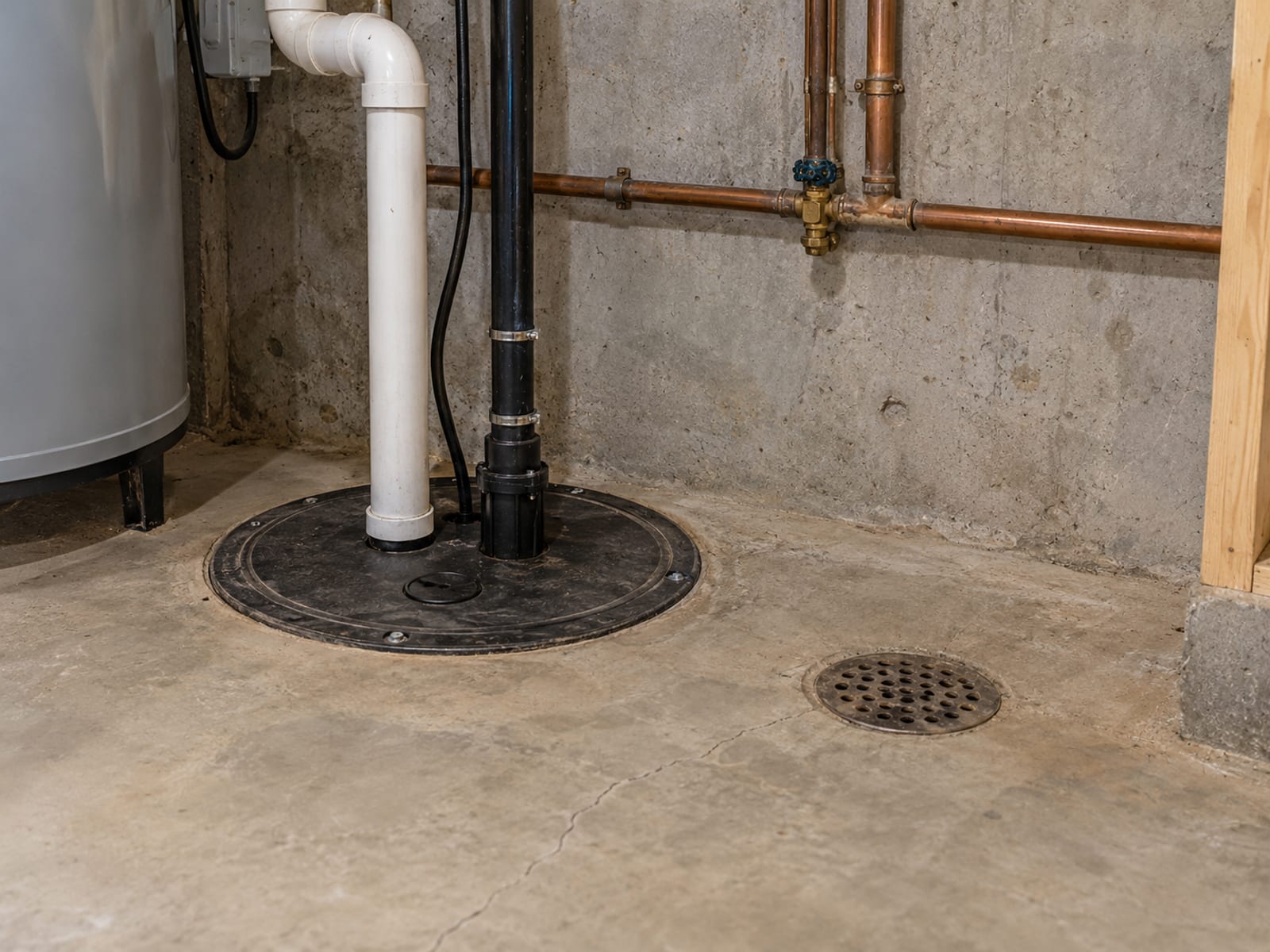
Other common exclusions or limits include earth movement, earthquake, landslide, mudslide, mudflow and subsidence, according to the DFR disaster guidance FAQ (opens in a new tab). Sewer or drain backup is generally excluded unless you add an endorsement.
Water damage depends on where the water came from. Water coming in from outside, sewer backup, a plumbing leak and groundwater can each fall under a different part of the policy. Ask your agent how each source is treated before a loss, not after.
How Snow, Ice Dams and Frozen Pipes Are Handled
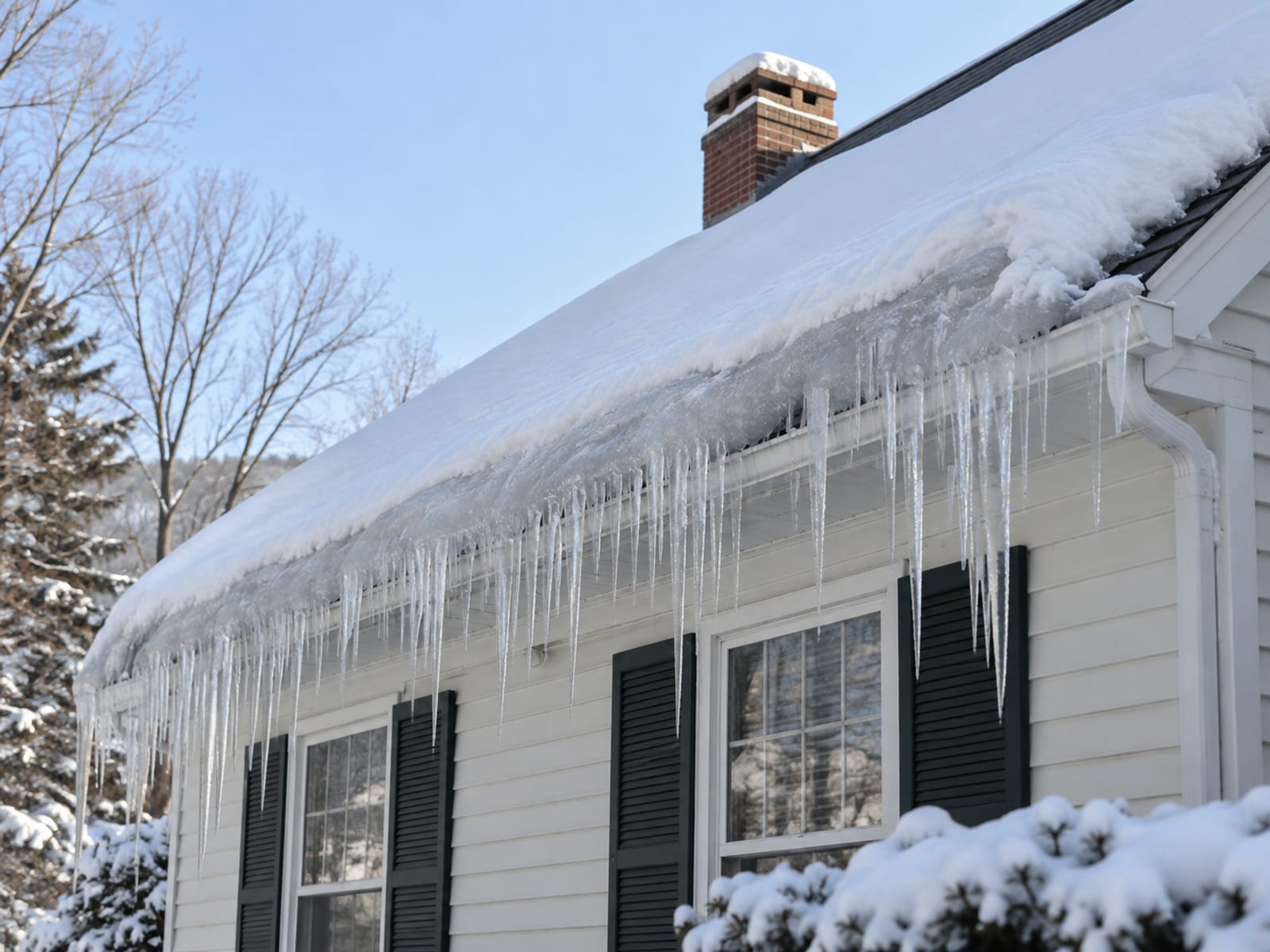
Most homeowners policies cover damage from frozen or burst pipes, according to the DFR's January 22, 2025 frozen-pipes advisory (opens in a new tab), but that coverage comes with duties. Those can include keeping the heat on, protecting plumbing, shutting off or draining the water system during long absences, and taking reasonable steps to prevent a loss. If you leave a home or camp for part of the winter, ask your agent what your policy requires while you are away.
Snow load, roof collapse and ice-dam losses depend on what caused the damage, how the policy treats roofs, any maintenance conditions and the facts of the loss. Vermont does not allow broad roof exclusions, and it does not allow limited replacement-cost settlements for roof-surface damage caused by windstorm or hail, according to the DFR homeowners property and liability requirements (opens in a new tab). Ask how your policy handles interior water damage from an ice dam, roof damage from snow weight and any resulting damage.
Replacement Cost Versus Actual Cash Value
How a policy values a loss changes what you are paid. Actual cash value is replacement cost minus depreciation for age and condition, according to the DFR Homeowners Insurance Guide (opens in a new tab). Replacement-cost coverage pays to rebuild or repair covered damage, up to your dwelling limit and subject to policy conditions. If you do not rebuild, the payment may be limited to actual cash value.
Older homes need extra attention here. A market value or a tax assessment is not the same as the cost to rebuild. Ask the agency how its rebuilding estimate accounts for older materials and craftsmanship, code upgrades, the foundation, historic features, electrical and plumbing systems, roof age and local labor costs.
How to Compare Vermont Home Insurance Quotes
Two quotes are only comparable when they describe the same coverage. Line them up on:
- The same dwelling replacement-cost estimate.
- The same policy form, such as HO-3, HO-5, HO-8, HO-6 for a condo unit, dwelling-fire, seasonal or rental.
- The same deductibles, including any separate deductible for certain losses.
- Exclusions and endorsements, especially water backup.
- Other-structures coverage for barns, garages, sheds, docks and fencing.
- Personal-property valuation, replacement cost or actual cash value, and any sublimits on valuables.
- Liability limits.
- How the policy treats seasonal or vacant occupancy.
When two quotes differ, ask each agent to show which of these lines accounts for the difference.
Camps, Farmhouses, Older Homes and Condos
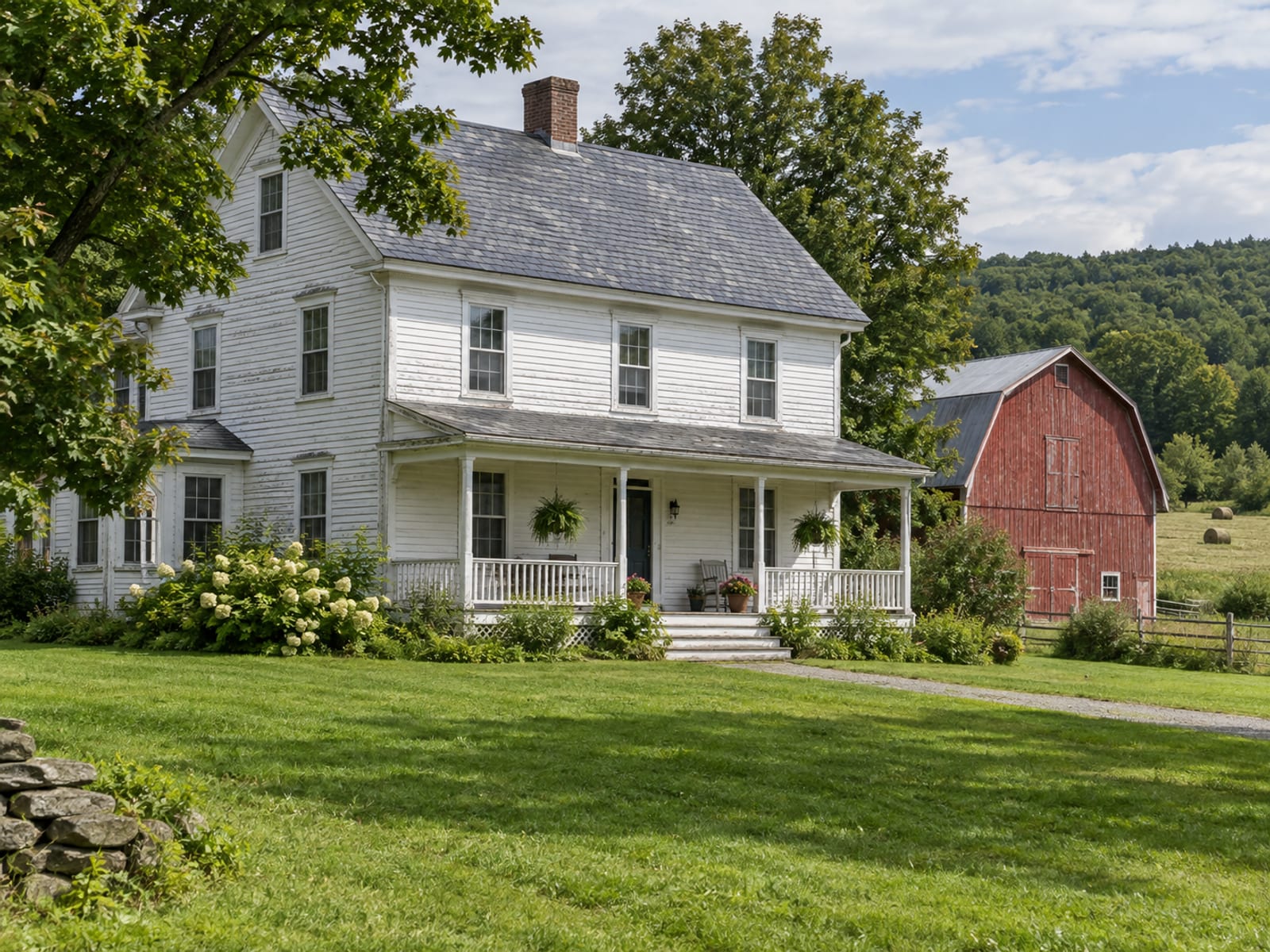
Vermont properties come in shapes a standard policy does not always expect. Before you buy or renew, ask the agency:
- Is the property rated as a primary home, seasonal camp, rental, short-term rental or vacant home, and what conditions apply when it is unoccupied?
- Is a wood stove acceptable, and what inspection is required?
- How do roof age, heating system, plumbing, electrical and foundation affect eligibility?
- Are barns, outbuildings and other detached structures included, and at what limit?
- Does any business or rental activity on the property need separate coverage?
- Is ordinance-and-law coverage included for code upgrades after a loss?
- Are flood and water backup addressed?
Some properties are harder to place. Ask a Vermont agency whether standard-market or surplus-lines options exist for your specific property; the DFR licenses surplus-lines brokers (opens in a new tab), who place coverage with insurers outside the standard market.
Mortgage and Lender Requirements
Your mortgage contract sets the lender's insurance requirements, and flood insurance is required for a property in a high-risk flood zone with a federally backed mortgage, according to Flood Ready Vermont (opens in a new tab). Check your loan documents for required limits, deductibles and how the lender must be listed, and ask the lender directly if any requirement is unclear.
If Your Policy Is Canceled or Not Renewed
Vermont limits when an insurer can cancel. After the first 60 days, a fire or casualty policy can be canceled only for nonpayment, fraud or material misrepresentation, violation of policy terms, or a substantial increase in hazard with the Commissioner's prior approval, under 8 V.S.A. § 3879 (opens in a new tab).
Cancellation generally requires at least 45 days' notice, or at least 15 days for nonpayment or a substantial increase in hazard, and the reasons must come with the notice, under 8 V.S.A. § 3880 (opens in a new tab). When the insurer has what it needs to renew, it must confirm its intent to renew and the renewal premium at least 45 days before expiration, under 8 V.S.A. § 3882 (opens in a new tab). Section 4713 (opens in a new tab) also sets a 45-day nonrenewal notice for policies it covers, with stated exceptions.
If you receive a notice, read the reason and effective date, then line up replacement coverage before that date, especially if you have a mortgage.
What Happens After You File a Claim
After you file a properly completed proof of loss, the insurer must tell you within 15 business days whether it accepts or denies the claim, or explain why it needs more time, under Vermont's Fair Claims Practices regulation (opens in a new tab). A denial based on a policy provision, condition or exclusion must name that provision in writing, and on request the insurer must give you the appraisal or estimate showing its deductions. Once you agree on a settlement, the payment must be mailed within 10 working days, according to the DFR property requirements (opens in a new tab).
Under 8 V.S.A. § 3663 (opens in a new tab), a policy cannot make appraisal an absolute condition before you file suit, and it cannot shorten the time to bring legal action to less than 12 months from the loss.
Good records make all of this easier. Keep an inventory of your belongings, with photos and receipts for valuables, and ask your insurer which documents it needs to support a claim.
Hover or tap a row to highlight it.
| Rule | Deadline | Source |
|---|---|---|
| Cancellation notice | At least 45 days | 8 V.S.A. § 3880 (opens in a new tab) |
| Cancellation for nonpayment or a substantial increase in hazard | At least 15 days | 8 V.S.A. § 3880 (opens in a new tab) |
| Renewal confirmation and premium | At least 45 days before expiration | 8 V.S.A. § 3882 (opens in a new tab) |
| Accept or deny a claim, or explain the delay | 15 business days after a properly completed proof of loss | Fair Claims Practices (opens in a new tab) |
| Payment after an agreed settlement | Mailed within 10 working days | DFR property requirements (opens in a new tab) |
| Time to bring legal action | Not less than 12 months from the loss | 8 V.S.A. § 3663 (opens in a new tab) |
How to Check an Agent and File a Complaint
You can confirm whether an agent or insurer is actively licensed in Vermont, and for which lines, through the DFR Verify a License page (opens in a new tab). The DFR regulates Vermont insurance companies, agents and adjusters and accepts complaints about homeowners coverage; you can file online or contact Consumer Services at 800-964-1784 or dfr.insuranceinfo@vermont.gov, according to the DFR complaints page (opens in a new tab).
What to Have Ready Before You Ask for Quotes
Gathering these items first makes quotes faster and easier to compare:
- Your current declarations page, prior policy and any renewal notice.
- Property address, occupancy type and mortgage lender information.
- Year built and major renovations.
- Roof age and material, heating system and wood-stove details.
- Plumbing, electrical, foundation and septic information.
- A list of detached structures.
- An inventory of belongings, with photos and receipts for valuables.
- Flood-map information for the address.
- Your seasonal vacancy and winterization plan.
Riskado's directory lists insurance agencies by city and category in Vermont, when you are ready to talk to one.
Check what you know about Vermont homeowners insurance
Vermont Homeowners Insurance FAQ
Does Vermont homeowners insurance cover flooding?
Standard homeowners policies generally exclude flood damage, according to the DFR (opens in a new tab). Flood coverage is a separate NFIP or private policy, and an NFIP policy usually has a 30-day waiting period.
Is sewer backup covered?
Sewer or drain backup is generally excluded unless your policy includes an endorsement for it. Ask your agent whether the endorsement is available, its limit and its deductible.
Can my insurer cancel my policy without a reason?
Not after the first 60 days. Vermont limits cancellation to the reasons in 8 V.S.A. § 3879 (opens in a new tab), and the notice must include the reason.
How long does an insurer have to respond to my claim?
Within 15 business days of receiving a properly completed proof of loss, the insurer must accept or deny the claim or explain why it needs more time, under the Fair Claims Practices regulation (opens in a new tab).
Putting It Together
Use the $1,231 statewide average as background, then judge any quote against another quote with matching coverage. Ask early about flood, sewer backup and winter conditions, and make sure the rebuilding estimate fits your actual house. A licensed Vermont agent can answer the property-specific questions that no average can.
Terms used in this guide
Tap a term to see what it means.
HO-3. The most common homeowners policy form, with open-peril coverage on the house and named-peril coverage on belongings.
Open-peril coverage. Coverage for causes of loss unless they are excluded.
Named-peril coverage. Coverage only for the causes of loss the policy lists.
Loss of use. Also called additional living expense, it pays extra costs when a covered loss makes the home unlivable.
Actual cash value. Replacement cost minus depreciation for age and condition.
Replacement cost. Payment to rebuild or repair covered damage, up to your dwelling limit and subject to policy conditions.
Endorsement. An addition to a policy that changes its coverage, such as coverage for sewer or drain backup.
Surplus-lines broker. A licensed broker who places coverage with insurers outside the standard market.
Proof of loss. The completed claim statement that starts the insurer's 15-business-day response period.