North Carolina Flood Insurance: Flood Zones, What NFIP Coverage Costs and How to Check Your Address
Riskado
Standard North Carolina homeowners and renters policies don't cover flood or rising-water damage, according to the North Carolina Department of Insurance (opens in a new tab). Flood insurance is a separate policy. Check your address in FEMA's Flood Map Service Center and in North Carolina's Flood Risk Information System (opens in a new tab). If the property is in a high-risk A or V zone and has a federally backed mortgage, the lender must require flood insurance, according to FEMA (opens in a new tab). The National Flood Insurance Program offers up to $250,000 of residential building coverage and up to $100,000 of contents coverage, and business policies go up to $500,000 each for the building and contents, according to FloodSmart (opens in a new tab). Most new policies take effect after a 30-day waiting period, with some exceptions.
Key takeaways
- Home and renters policiesStandard North Carolina policies don't cover flood or rising water.
- Check your addressUse FEMA's Flood Map Service Center and North Carolina's FRIS map.
- Lender ruleA federally backed mortgage on a property in a high-risk A or V zone requires flood insurance.
- NFIP limitsUp to $250,000 for a home and $100,000 for contents; up to $500,000 each for a business.
- Waiting periodMost new policies start after 30 days.
Does homeowners or renters insurance cover flood?
No. A standard North Carolina homeowners policy doesn't cover flood or rising-water damage, and a renters or tenant policy doesn't cover loss due to flood either, according to the NCDOI flood insurance FAQ (opens in a new tab). Some mobile-home policies may include flood coverage, so if you own a manufactured home, read the policy or ask the insurer.
Flood coverage comes from a separate policy, either through the NFIP, which sells through agents and participating insurers, or from a private flood insurer. Water from a burst pipe and water that rises from outside are handled differently, so the source of the water matters when you file a claim. Our guide to North Carolina homeowners insurance covers what the main policy does include.
How do you check a North Carolina flood zone by address?
Two official tools show the flood zone for a North Carolina address:
- FEMA's Flood Map Service Center shows the effective FEMA flood map and the map panel for the property.
- North Carolina's Flood Risk Information System at fris.nc.gov (opens in a new tab) lets you search an address on its map (opens in a new tab) and see effective and preliminary layers, regulatory flood zones, risk data and elevation information.
The zone letters tell you how FEMA rates the risk. A and V zones are high-risk areas, also called the Special Flood Hazard Area or SFHA. AE is an A zone with a set base flood elevation. VE is a coastal high-risk zone that adds wave hazards. An X zone generally marks lower or moderate mapped risk, but it doesn't mean no risk. One in three flood claims comes from low- and moderate-risk zones, according to FEMA (opens in a new tab).
Maps change through revisions, amendments and new community mapping. Before you rely on a map for a purchase or a loan, confirm whether the layer you're looking at is effective or only preliminary. A lender's flood determination follows FEMA's official process and can differ from what a public map viewer shows, so ask the lender for its determination when the zone affects your loan.
When does a mortgage lender require flood insurance?
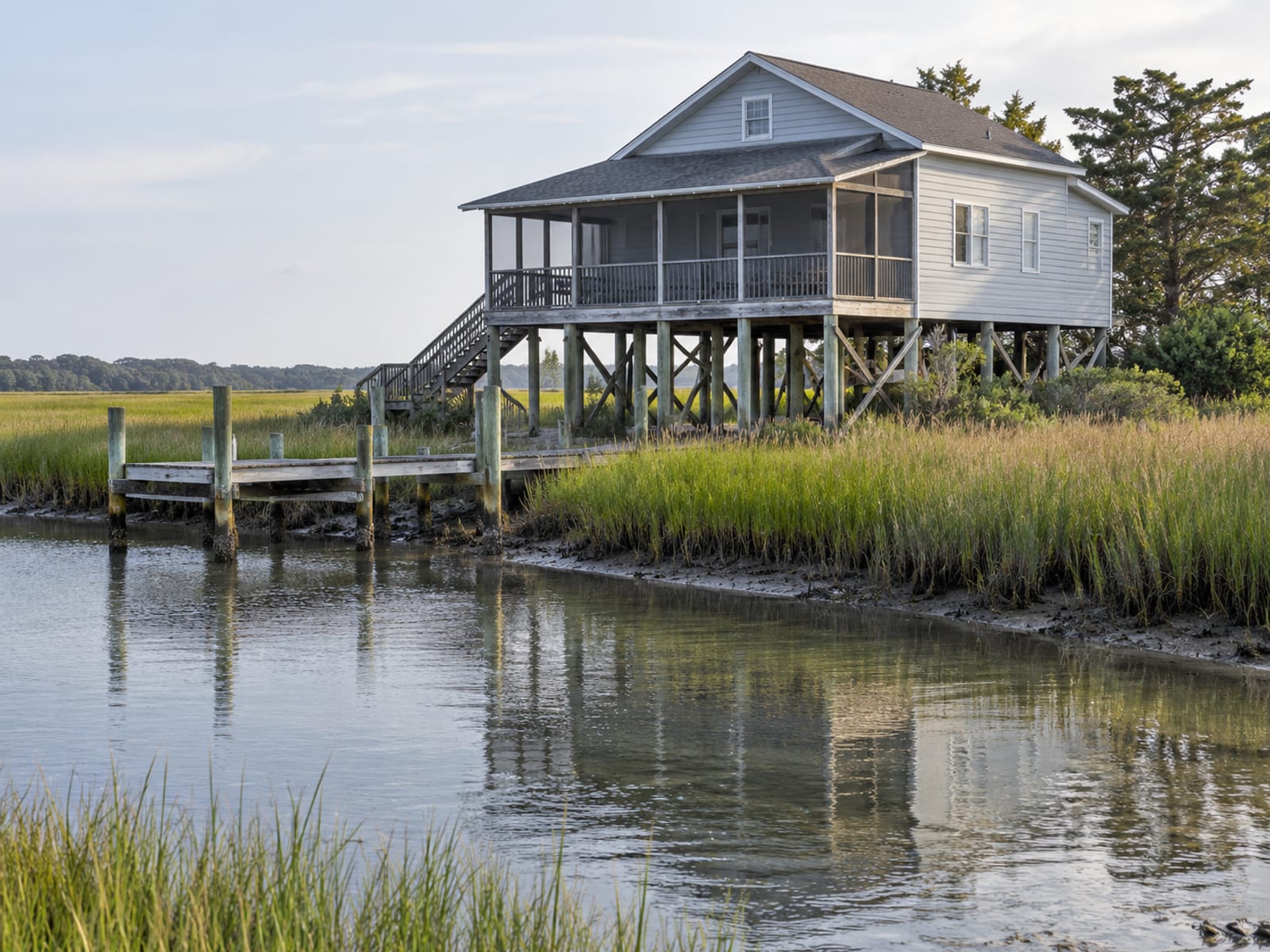
A property in a high-risk A or V zone with a federally backed mortgage falls under the federal mandatory purchase requirement, according to FEMA (opens in a new tab). The lender usually determines the flood-zone status during the loan process and tells you what coverage it requires. Your loan documents can add requirements beyond the federal minimum.
North Carolina doesn't require flood insurance on every property. A lender may require it when a home is in a floodplain, according to NCDOI (opens in a new tab). Outside that requirement, buying flood insurance is your choice, and NCDOI points out that property outside a designated floodplain can still flood.
What does NFIP flood insurance cover?
NFIP coverage pays for direct physical damage from flooding, up to these limits, according to FloodSmart (opens in a new tab):
Hover or tap a row to highlight it.
| Policy type | Building coverage | Contents coverage |
|---|---|---|
| Residential (home, including a condominium unit owner) | Up to $250,000 | Up to $100,000 |
| Renter | Not applicable | Up to $100,000 |
| Commercial | Up to $500,000 | Up to $500,000 |
Building and contents coverage are separate, with separate deductibles. Building coverage can include structural parts, electrical and plumbing systems, furnaces, water heaters, built-in appliances, foundation walls, staircases and certain detached structures. Contents coverage can include furniture, clothing, electronics, appliances and certain business inventory.
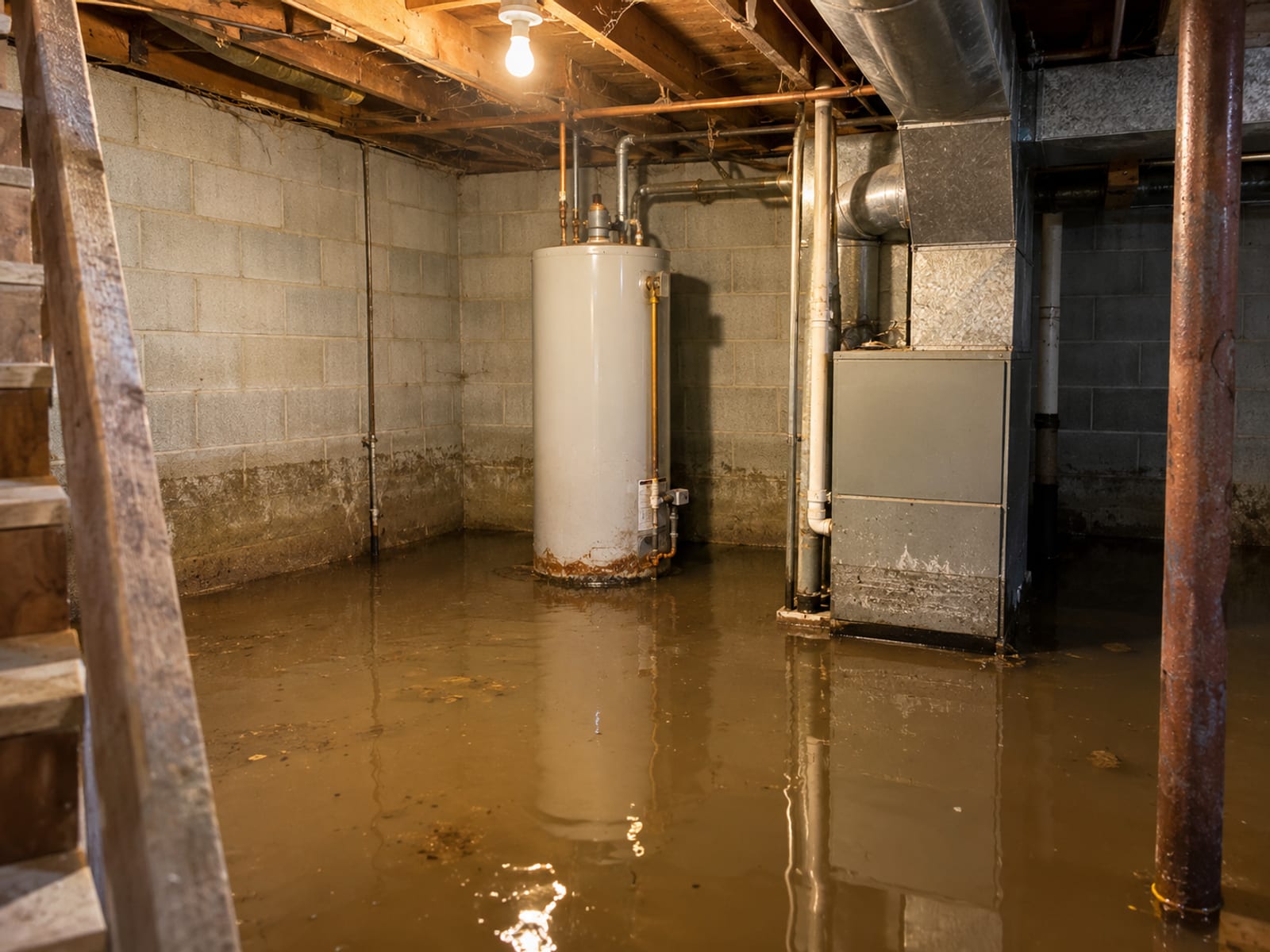
The policy also has firm limits. Personal property kept in a basement is generally excluded, and building coverage in a basement is restricted. Currency and papers such as stock certificates, most vehicles, landscaping, fences, patios, decks and pools are excluded. The NFIP also doesn't pay for temporary housing, additional living expenses, business interruption or lost profits, according to the NFIP Flood Insurance Manual (opens in a new tab) and the NCDOI flood FAQ (opens in a new tab).
How long is the waiting period?
A new NFIP policy normally takes effect 30 days after purchase. FEMA's Flood Insurance 101 (opens in a new tab) lists exceptions, including:
- Coverage bought in connection with making, increasing, extending or renewing a mortgage loan.
- Additional coverage selected as an option on a renewal bill.
- A building newly mapped into an SFHA, when coverage is bought within 13 months after the map revision.
- Certain properties affected by flooding on burned federal land, where a one-day waiting period may apply if the policy is bought within 60 days of the fire-containment date.
Buying after a storm forms doesn't usually remove the waiting period. If hurricane season or a closing date is close, ask your agent which waiting period applies to your transaction.
How much does flood insurance cost in North Carolina?
NFIP premiums are priced for each property under FEMA's Risk Rating 2.0 method, which applies to new policies and renewals. It uses property-specific factors such as the replacement cost value, the distance to a flooding source, flood characteristics and the cost to rebuild, according to FEMA's Risk Rating 2.0 manual (opens in a new tab). That moved pricing away from relying mostly on elevation and on whether a home sits inside or outside a high-risk zone.
Because the price depends on the building, two neighbors can see very different premiums. To find your cost, ask an agent for an NFIP quote on the address, and ask whether a private flood quote is available to compare. The community discount below can also lower the price.
What are CRS flood insurance discounts?
FEMA's Community Rating System lowers NFIP premiums in communities that take floodplain-management steps beyond the minimum. Communities are rated in classes from 1 to 10, and the class sets the discount. North Carolina communities on FEMA's CRS eligible-community list (opens in a new tab) effective October 1, 2022 include Charlotte, Cary, Carolina Beach and Carteret County, among many others.
Hover or tap a row to highlight it.
| CRS class | Discount inside the SFHA | Discount outside the SFHA |
|---|---|---|
| Class 3 | 35% | 10% |
| Class 5 | 25% | 10% |
| Class 6 | 20% | 10% |
| Class 7 | 15% | 5% |
| Class 8 | 10% | 5% |
| Class 9 | 5% | 5% |
| Class 10 | None | None |
A community's class can change. Ask your local floodplain administrator or your insurer which rating applies to your policy.
Can renters buy flood insurance?
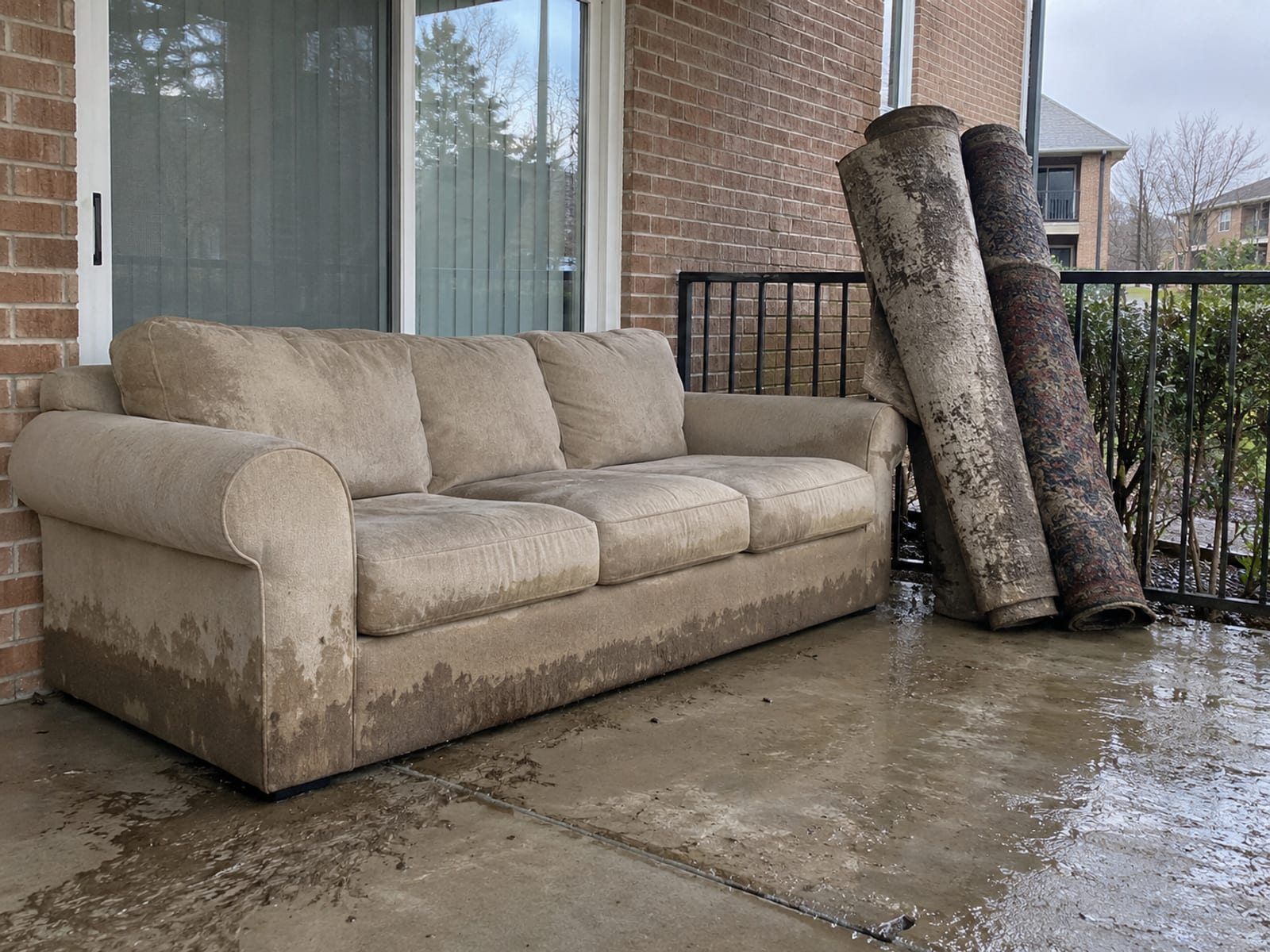
Yes. A North Carolina renter can buy NFIP contents-only coverage if the rental is in an NFIP-participating community, and the landlord doesn't need to buy building coverage, according to FEMA's renters flood insurance brochure (opens in a new tab). Contents coverage can insure furniture, clothing, electronics, rugs, televisions, kitchenware and certain appliances, up to $100,000, subject to the policy's limits, deductibles and exclusions.
The landlord's flood policy, if there is one, covers the building and not your belongings. Our guide to North Carolina renters insurance covers lease insurance clauses and what a standard tenant policy includes.
What must a North Carolina seller disclose?
For most residential sales, G.S. 47E-4 (opens in a new tab) requires the owner to give the buyer a residential property disclosure statement. On it, the owner either discloses the required characteristics and conditions the owner actually knows about, or states that the owner makes no representations about them. The statement covers items such as the foundation and basement, water supply and sewage, government notices and certain environmental conditions, and the transfers it applies to are set out in G.S. 47E-1 (opens in a new tab).
If you're buying, read the current official disclosure form, and ask the seller and your transaction professional directly about any known flooding and flood-related damage. Check the address on the flood maps before you make an offer, because the zone can decide whether your lender requires a policy.
How do wind and flood coverage differ?
Wind and flood are separate causes of loss, and one doesn't replace the other. NFIP flood insurance covers direct physical flood damage. On the coast, wind coverage may come from your homeowners policy, a separate windstorm policy or the North Carolina Coastal Property Insurance Pool, formerly called the Beach Plan. Some coastal homeowners policies exclude windstorm and hail, and the pool provides fire, lightning, theft, wind and hail coverage, according to NCDOI's storm guidance (opens in a new tab).
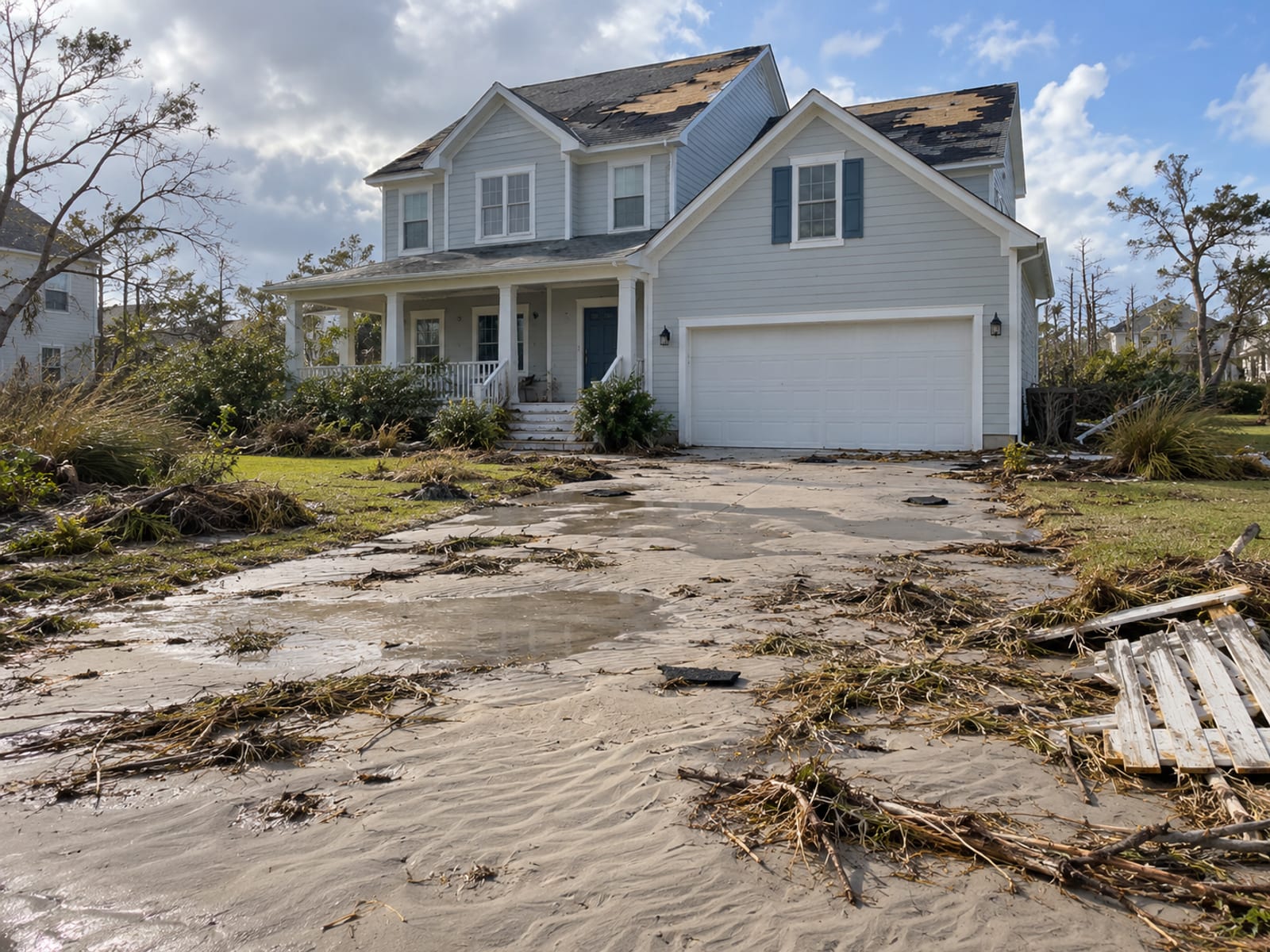
After a hurricane, one house can have wind damage, rain damage and storm-surge damage at the same time, and each may fall under a different policy, adjuster and deductible. Our guide to the North Carolina Coastal Property Insurance Pool covers the wind side.
How do you buy coverage and file a claim?
You buy NFIP coverage through an insurance agent or a participating insurer, according to NCDOI (opens in a new tab). A private flood policy is another route; North Carolina's FRIS site (opens in a new tab) notes a statewide private flood product approved by NCDOI that is separate from the NFIP. Private policies can differ from the NFIP in limits, deductibles, exclusions, waiting periods, valuation, claims handling and whether your lender accepts them. Excess flood insurance adds limits above an underlying policy, on terms set by that policy and the insurer.
After a flood, FEMA's claims checklist (opens in a new tab) and NCDOI's claims and adjuster information (opens in a new tab) point to the same core steps:
- Notify your insurer or agent promptly and have your policy number ready.
- Photograph or video the damage and the water line before cleanup.
- Keep receipts for cleanup, temporary repairs and anything you throw away.
- Follow the adjuster's instructions and keep copies of what you submit.
Check that your agent holds a North Carolina license with the North Carolina insurance license lookup (opens in a new tab). If a claim or sale goes wrong, NCDOI's Assistance or File a Complaint (opens in a new tab) page explains how to ask for help. The Department can forward the complaint, require a response, review compliance and require corrective action, but it can't act as your lawyer, decide disputed facts or set a claim's value.
Questions to ask your agent
- Is flood excluded from my current homeowners or renters policy?
- Is the proposed coverage NFIP or private?
- Does it cover the building, contents or both?
- What are the limits, deductibles, basement restrictions and exclusions?
- What waiting period applies to my purchase?
- Does my community participate in the NFIP, and does a CRS discount apply?
- Does my lender require a specific form or amount?
- Does the policy cover storm surge, rainfall flooding or sewer backup?
- How are wind and flood claims handled after a named storm?
- Do I need excess coverage above the NFIP limits?
Riskado's directory lists insurance agencies in North Carolina by city and by category, so you can find a local agency to quote flood coverage.
Check what you know about North Carolina flood insurance
Frequently asked questions
Do I need flood insurance if I'm outside a high-risk zone?
A lender may not require it, but lower-risk areas can still flood. FEMA says one in three flood claims comes from low- and moderate-risk zones, according to FloodSmart (opens in a new tab).
Does flood insurance cover my basement?
Only in part. Building coverage in a basement is restricted, and personal property kept in a basement is generally excluded, according to FloodSmart (opens in a new tab). Ask your agent which basement items the policy lists.
Does flood insurance pay for a hotel after an evacuation?
No. The NFIP doesn't provide loss-of-use or additional-living-expense coverage, according to the NCDOI flood FAQ (opens in a new tab). It also doesn't cover business interruption or lost profits.
Can I buy flood insurance right before a hurricane?
You can buy it, but a new NFIP policy normally waits 30 days before coverage starts. Exceptions include coverage bought with a mortgage closing and buildings newly mapped into a high-risk zone, according to FEMA's Flood Insurance 101 (opens in a new tab).
Does an X zone mean my home won't flood?
No. An X zone marks lower or moderate mapped risk, not zero risk, according to FEMA (opens in a new tab). The FRIS map also shows preliminary layers that may change the zone later.
Before the next storm season
Look up your address in FEMA's Flood Map Service Center and on FRIS (opens in a new tab), and note whether the map is effective or preliminary. Ask your lender whether your loan requires flood coverage, and ask an agent to quote building, contents or both. Allow for the 30-day waiting period, save your policy and declarations page with your inventory and photos, and keep wind and flood coverage straight before a storm arrives.
Key terms
Tap a term to see what it means.
NFIP. The National Flood Insurance Program, the federal program that sells flood insurance through agents and participating insurers.
Special Flood Hazard Area (SFHA). The high-risk flood area on FEMA maps, shown as A and V zones.
AE zone. A high-risk A zone with a set base flood elevation.
VE zone. A coastal high-risk zone with added wave hazards.
X zone. An area of lower or moderate mapped flood risk, which can still flood.
FRIS. North Carolina's Flood Risk Information System, an official map site for flood zones and risk data.
Risk Rating 2.0. FEMA's method for pricing NFIP policies using property-specific factors.
Community Rating System (CRS). A FEMA program that discounts NFIP premiums in communities with stronger floodplain management.
Waiting period. The time, normally 30 days, between buying an NFIP policy and the start of coverage.