North Carolina Renters Insurance: What It Costs, What It Covers, Who Pays and What the Landlord Can Require
Riskado
North Carolina renters insurance is usually an HO-4 policy that protects your personal belongings, your personal liability and certain extra living costs after a covered loss, according to the North Carolina Department of Insurance (opens in a new tab). No North Carolina law requires every tenant to carry it, but your lease can. If it does, G.S. 42-46(l) (opens in a new tab) says the landlord can't make you buy from a particular insurer or agent. If you don't show proof within three business days after the landlord asks, the landlord can buy the required coverage and charge you its actual cost plus an administrative fee of up to $50 a year. A standard renters policy doesn't cover flood, so ask about separate flood contents coverage if water is a risk where you live.
Key takeaways
- Required?No state law requires renters insurance for every tenant, but a lease can require it.
- Your choice of insurerA landlord can't make you buy from a designated carrier or agent.
- Proof deadlineThree business days after the landlord asks; after that the landlord can buy coverage and charge its actual cost plus up to $50 a year.
- FloodA standard renters policy doesn't cover flood; NFIP contents coverage is separate.
Is renters insurance required in North Carolina?
Not by state law for every renter. The requirement, when there is one, comes from your lease. North Carolina's statute on lease insurance clauses, G.S. 42-46(l) (opens in a new tab), applies to any lease that requires a tenant to maintain insurance coverage for the leased premises. It sets rules for how that requirement works rather than creating a statewide mandate.
So, the first place to look is the insurance clause in your lease. It tells you whether coverage is required, what limits the property manager wants to see and what proof it accepts. If the lease is silent, the decision is yours.
Can a landlord require or arrange your coverage?
Yes, a lease can require you to carry insurance, and North Carolina limits how the landlord enforces that requirement. Under G.S. 42-46(l) (opens in a new tab):
- The landlord can't require you to get the coverage from a designated carrier or through a designated agent.
- The landlord can charge you for coverage only if you fail to provide proof within three business days after the landlord asks for it.
- In that case, the charge is limited to the actual cost the landlord paid for the required coverage plus an administrative fee of no more than $50 per year.
You choose where to buy. A policy from any insurer works as long as it meets what the lease requires. When a property manager asks for proof, send the declarations page or the proof document your insurer issues, and keep a copy of what you sent and when.
Who pays for renters insurance, the landlord or the tenant?
The tenant normally pays for the tenant's policy, because it protects the tenant's own belongings and liability. The landlord pays for the landlord's property insurance, because that policy protects the building and the landlord's interests.
The lease controls whether you need coverage and what proof you must give. If you miss the three-business-day window after a proof request, the landlord can obtain coverage and pass along its actual cost plus the capped fee, under G.S. 42-46(l) (opens in a new tab).
What does the landlord's insurance cover?
The landlord's insurance covers the building structure. It does not cover a renter's personal property or give the renter liability protection, according to the North Carolina Department of Insurance (opens in a new tab).
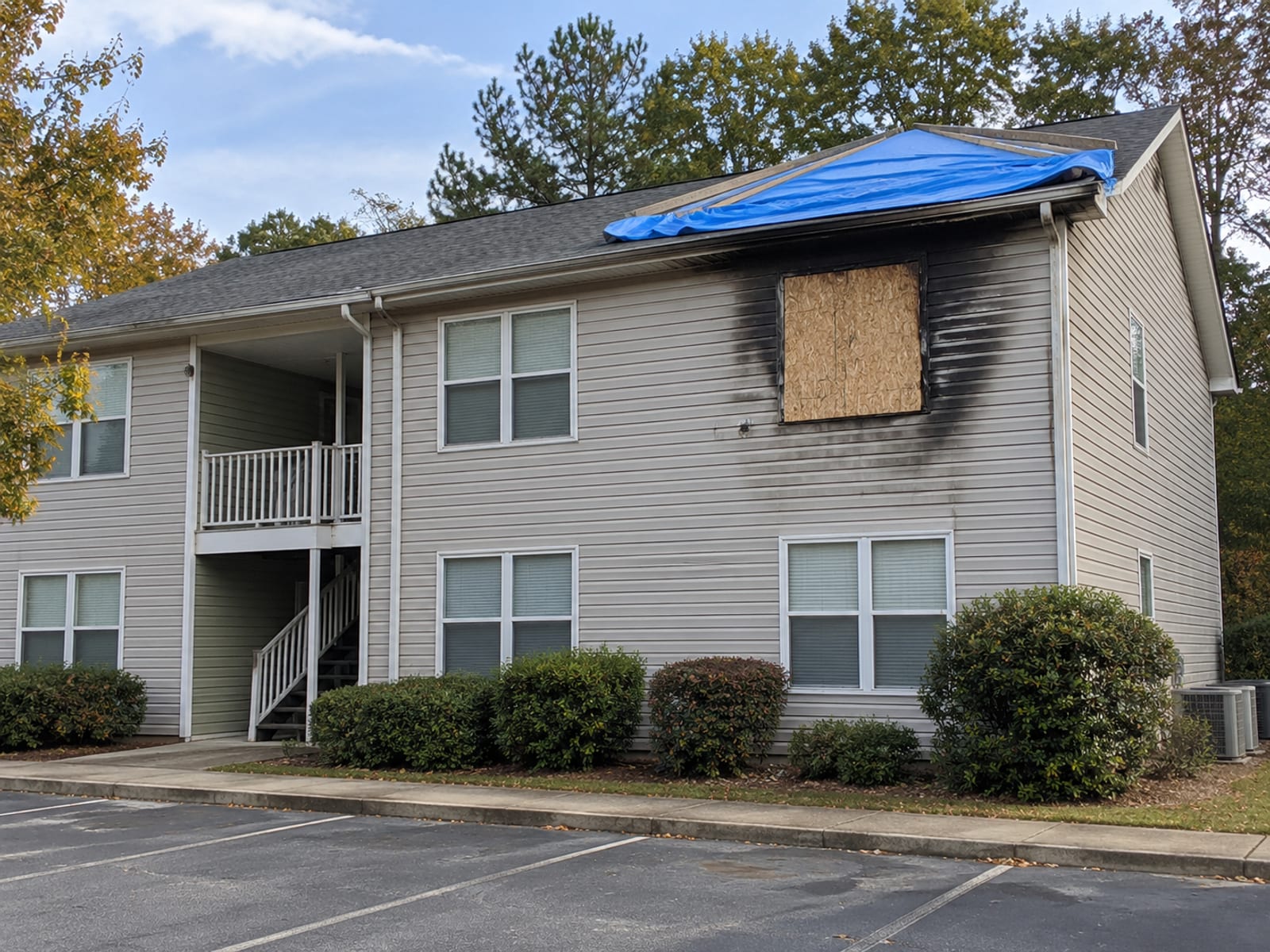
That answers a common question from both sides: a landlord's homeowners or dwelling policy doesn't extend to the tenant's furniture, clothes or electronics. If a fire damages the apartment, the landlord's policy may respond to the building, while your renters policy may respond to your belongings, your extra living costs and certain liability claims, depending on the policy language.
What does a standard renters policy cover?
An HO-4 policy has four main parts, as the NCDOI renters guide (opens in a new tab) describes them:
- Personal property (Coverage C): your contents and belongings, up to the amount you choose and subject to special limits.
- Additional living expenses or loss of use (Coverage D): extra costs above your normal living expenses when the home becomes uninhabitable because of a covered loss. NCDOI says this is normally limited to 20% of Coverage C, though higher limits may be available.
- Personal liability (Coverage E): bodily injury and property damage to others when you're legally responsible.
- Medical payments to others (Coverage F): reasonable and necessary medical expenses for people who don't live in your household and are accidentally injured on the property.
Covered perils commonly include fire or lightning, windstorm or hail, explosion, riot or civil commotion, theft, smoke and vandalism, subject to the policy terms. Common exclusions and limits include flood, earthquake or earth movement, and special limits for money, securities, jewelry, furs, manuscripts, stamps and coins. Business activity or business property in the home may need separate coverage, so ask about it if you work from your apartment.
Does renters insurance cover flood?
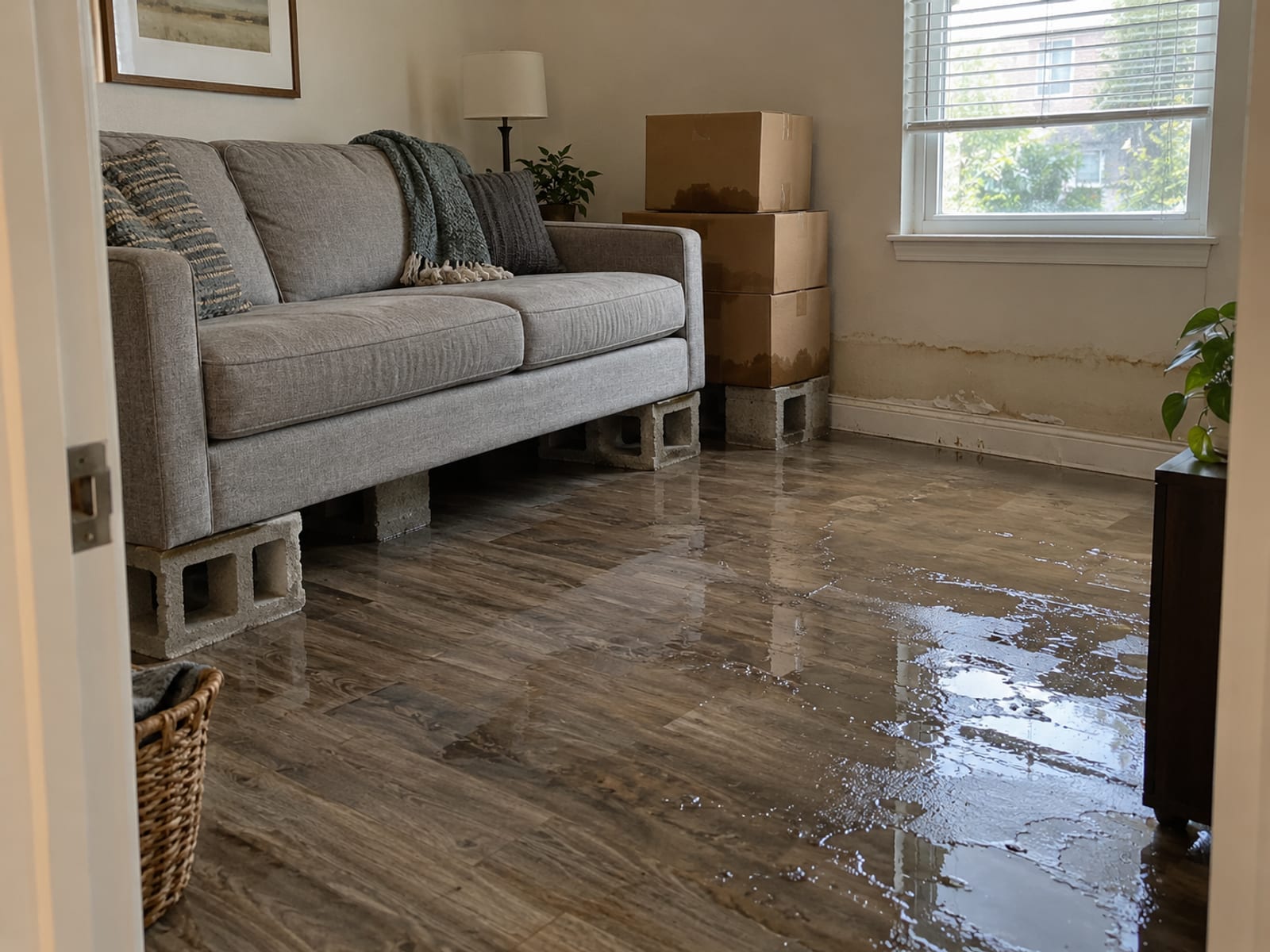
No. Renters policies don't cover loss due to flood, according to the NCDOI flood insurance FAQ (opens in a new tab). Not all water damage is flood, though. A sudden covered leak, seepage, sewer backup and rising water can each be treated differently, and the cause of the water and the policy wording decide which coverage applies.
For flood, renters can buy contents coverage through the National Flood Insurance Program. FloodSmart (opens in a new tab) says renters can insure belongings such as clothing, furniture, electronics, rugs and some artwork, up to $100,000. You don't need building coverage, because the landlord owns the building. Coverage normally starts 30 days after purchase, with limited exceptions, so buying when a storm is already forecast usually leaves the first weeks unprotected.
Flood coverage also works differently from a renters policy. NFIP coverage doesn't provide loss-of-use or additional-living-expense benefits, according to the NCDOI flood FAQ (opens in a new tab), so hotel costs after an evacuation come from somewhere else. You can search for a company that sells NFIP policies through FloodSmart's provider search (opens in a new tab). Our guide to North Carolina flood insurance covers flood zones, maps and property-owner coverage.
How much does renters insurance cost in North Carolina?
The average HO-4 premium in North Carolina was $174 in 2023, according to the NAIC 2023 Homeowners Report (opens in a new tab). That figure is a statewide average across renters policies of all coverage amounts, not a quote and not a city price. It doesn't show what renters in Charlotte, Raleigh, Durham, Wilmington or Greensboro pay.
The same NAIC table breaks the average out by the amount of insurance. Policies at $9,999 and under averaged $70, $10,000 to $14,999 averaged $101, $15,000 to $19,999 averaged $125, and $20,000 to $24,999 averaged $164. These are historical averages, and your price depends on the insurer, the coverage amount, the deductible and other rating factors. To see what a policy would cost for your apartment, ask an agency to quote the coverage your lease requires.
Hover or tap a row to highlight it.
| Amount of insurance | Average annual premium |
|---|---|
| $9,999 and under | $70 |
| $10,000 to $14,999 | $101 |
| $15,000 to $19,999 | $125 |
| $20,000 to $24,999 | $164 |
| All HO-4 policies | $174 |
How are your belongings valued?
The valuation method decides how much you get for a damaged or stolen item. Replacement cost generally pays to replace property with like kind and quality without subtracting depreciation, subject to the policy's conditions and limits. Actual cash value generally pays replacement cost minus depreciation. NCDOI advises consumers to find out which method applies to their property in its disaster guide (opens in a new tab).
The special limits on jewelry, money, coins and similar items mean a ring or a collection may be insured for far less than it's worth. Those items can be scheduled separately for an additional amount of insurance, according to the NCDOI renters guide (opens in a new tab). The endorsement sets the item description, the valuation method, the covered causes of loss and the limit.

What happens after a fire or other casualty?
Your insurance and your lease work side by side after a fire or storm. North Carolina has a statute for a rented building that is destroyed or badly damaged. Under G.S. 42-12 (opens in a new tab), when the damage happened without the tenant's negligence, the lease has no contrary provision and the building is no longer reasonably fit for its purpose, the tenant may surrender the tenancy by a written notice delivered or tendered to the landlord within 10 days of the damage. The tenant pays any rent in arrears and the share of rent due up to the casualty, and is then discharged from future rent, though not necessarily from other lease obligations.
Your lease may contain its own casualty or repair clause, so read it alongside the statute. The rent, the repair timeline and any remedy depend on the lease, the facts and the landlord's legal duties.
When the tenancy ends, G.S. 42-52 (opens in a new tab) requires the landlord to give you an itemized accounting and the balance of your security deposit within 30 days after the tenancy ends and you hand back possession. If the landlord's claim against the deposit can't be determined in 30 days, an interim accounting is due within 30 days and a final accounting within 60 days.
Hover or tap a row to highlight it.
| Rule | Figure | Source |
|---|---|---|
| Proof of insurance after a landlord's request | Three business days | G.S. 42-46(l) (opens in a new tab) |
| Landlord's administrative fee when it buys coverage | Up to $50 per year, plus actual cost | G.S. 42-46(l) (opens in a new tab) |
| Notice to surrender after a casualty, when the statute's conditions apply | Within 10 days of the damage | G.S. 42-12 (opens in a new tab) |
| Security deposit accounting after the tenancy ends | Within 30 days | G.S. 42-52 (opens in a new tab) |
| Final accounting when the claim can't be set in 30 days | Within 60 days | G.S. 42-52 (opens in a new tab) |
| NFIP flood policy waiting period | Normally 30 days | FloodSmart (opens in a new tab) |
What should students and roommates ask?
College students can often buy dorm-room insurance, and some family homeowners policies cover losses in a dorm room while others don't, according to the NCDOI disaster guide (opens in a new tab). Ask the parents' insurer how the family policy treats a student living away at school before buying a separate policy.
Shared housing needs the same care. The NCDOI renters page describes coverage for belongings of others who live with the insured, but whether an unrelated roommate counts as an insured depends on the policy's definition of "insured", its household requirements and whether the roommate is named. Ask the agent or insurer whether each roommate is an insured and whether each person's belongings and liability are covered. If not, each roommate can carry a separate policy.
How do you file a renters insurance claim?
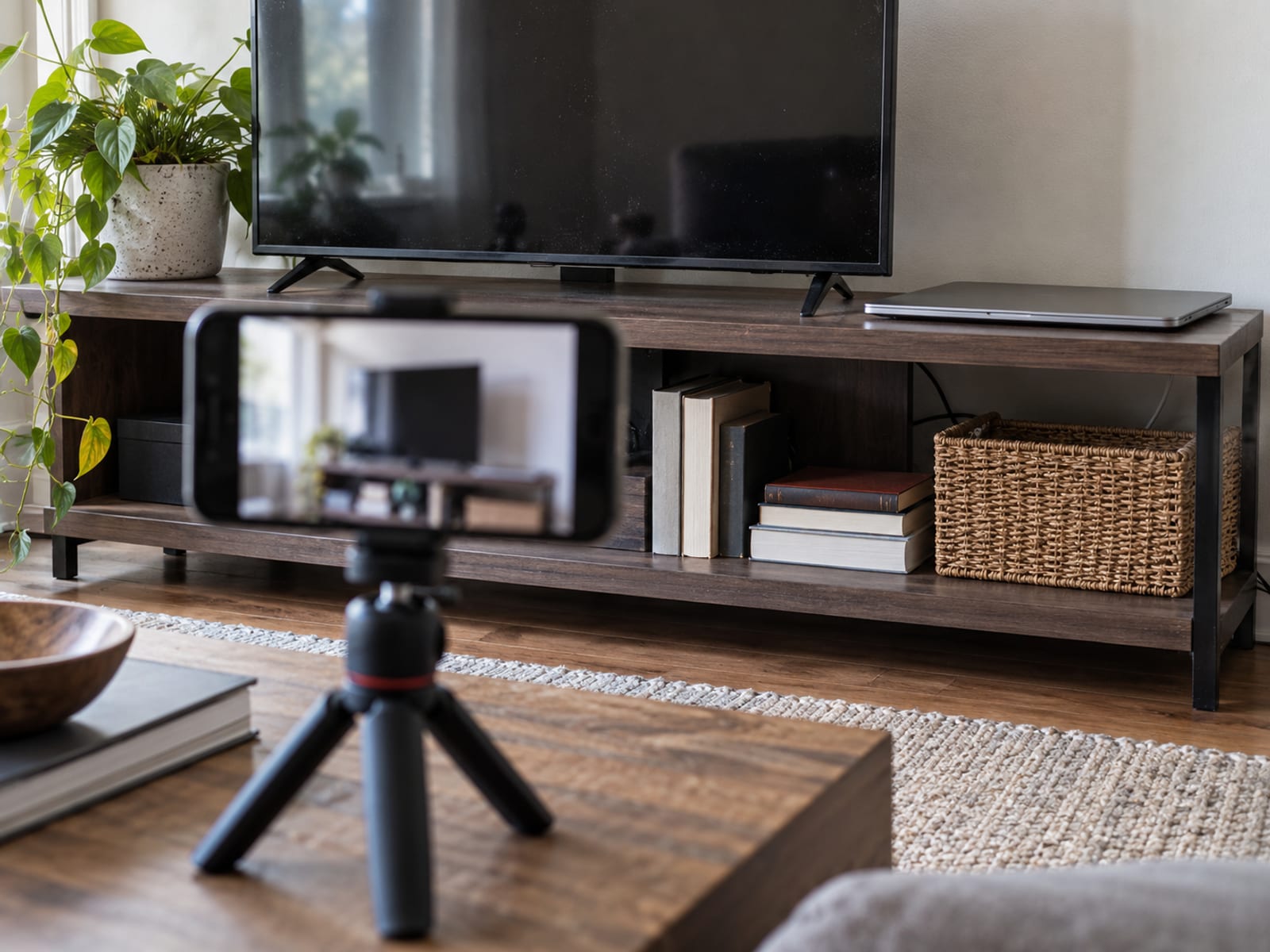
Start before the loss with an inventory. The NCDOI consumer guide to renters insurance (opens in a new tab) suggests keeping descriptions, estimated values, purchase dates, receipts, appraisals, serial numbers, photos and video of your belongings.
After a loss, NCDOI recommends these steps:
- Give prompt notice to your agent or insurer.
- Report a theft to the police.
- Tell your bank or card issuer if a credit or ATM card was lost.
- Protect your property from further damage.
- Keep records and receipts for temporary repairs.
North Carolina law also sets claim-handling standards for insurers. G.S. 58-63-15(11) (opens in a new tab) lists unfair claim settlement practices when they happen often enough to show a general business practice. They include failing to acknowledge and act reasonably promptly on claims, refusing to pay without a reasonable investigation, failing to affirm or deny coverage within a reasonable time after proof-of-loss statements are complete, and failing to explain a denial or a compromise offer. Follow your policy's notice and proof-of-loss requirements, keep your claim communications in writing and ask the insurer for the claim status and any missing documents.
How do you check an agent or file a complaint?
Check that the agent and insurer hold a North Carolina license before you buy. Use the North Carolina insurance license lookup (opens in a new tab) to search by name.
If a problem with an insurer or agent doesn't resolve, use the NCDOI Assistance or File a Complaint (opens in a new tab) process. The Department may forward the complaint to the insurer, require a response, review it against statutes, regulations and policy requirements, and require corrective action. It can't act as your lawyer, decide disputed facts, determine negligence or set the amount owed in a private claim dispute.
Questions to ask your agent
- What personal property limit is shown, and how was it calculated?
- Is the policy replacement cost or actual cash value?
- What deductible applies?
- What special limits apply to jewelry, money, electronics, bicycles and collectibles, and can I schedule items?
- Does the policy cover theft away from home, such as from my car?
- What liability and medical payments limits apply?
- When does additional living expense coverage start, and what is its limit?
- Does the policy exclude flood, earthquake, sewer backup or other water damage?
- Does each roommate qualify as an insured?
- What inventory and proof of loss will the insurer require, and what notice deadline does the policy set?
- What document will satisfy my landlord's proof-of-insurance request?
Riskado's directory lists insurance agencies in North Carolina by city and by category, if you want to compare quotes with a local agency.
Check what you know about North Carolina renters insurance
Frequently asked questions
Can my landlord pick my renters insurance company?
No. Under G.S. 42-46(l) (opens in a new tab), a lease can't require you to buy from a designated carrier or through a designated agent. You can buy from any insurer as long as the policy meets the lease requirements.
What happens if I don't send proof of insurance on time?
If you don't provide proof within three business days after the landlord asks, the landlord may obtain the required coverage. The landlord can then charge you its actual cost plus an administrative fee of up to $50 per year, under G.S. 42-46(l) (opens in a new tab).
Does my landlord's homeowners policy cover my things?
No. The landlord's insurance covers the building, not your personal property or your liability, according to the NCDOI (opens in a new tab). Your own renters policy is what responds to your belongings.
How long does flood insurance take to start for a renter?
NFIP coverage normally begins 30 days after purchase, with limited exceptions, according to FloodSmart (opens in a new tab). Renters can buy contents-only coverage up to $100,000.
Does a security deposit come back after a fire?
When the tenancy ends, G.S. 42-52 (opens in a new tab) requires an itemized accounting and the deposit balance within 30 days. If the landlord's claim can't be settled in that time, a final accounting is due within 60 days.
Before you sign the lease or file a claim
Read the lease's insurance clause, find out what proof it requires and buy from any licensed insurer you choose. Confirm whether your belongings are insured at replacement cost or actual cash value, ask about flood and high-value items, and keep an inventory with photos and receipts. If a loss happens, notify the insurer promptly, report any theft to the police and keep every claim letter in writing.
Key terms
Tap a term to see what it means.
HO-4. The standard renters, or tenant, insurance policy form, covering personal property, liability, medical payments to others and loss of use.
Personal property (Coverage C). The part of a renters policy that covers your belongings, up to the limit you choose.
Loss of use (Coverage D). Extra living costs above your normal expenses when a covered loss makes the home uninhabitable.
Personal liability (Coverage E). Coverage for injury or property damage to others when you're legally responsible.
Replacement cost. Payment to replace an item with one of like kind and quality without subtracting depreciation.
Actual cash value. Replacement cost minus depreciation.
Scheduled personal property. High-value items listed separately on the policy for an additional amount of insurance.
NFIP. The National Flood Insurance Program, which sells flood coverage, including contents-only policies for renters.