DC Renters Insurance: What It Costs, What It Covers, and Whether a Landlord Can Require It
Riskado

DC sets no general requirement that every renter carry renters insurance, according to the DC Department of Insurance, Securities and Banking (DISB) renters guide (opens in a new tab). A landlord can still make coverage a condition of your lease, so the signed lease is where a requirement comes from. A renters policy, usually called an HO-4, protects your belongings, your personal liability and your extra living costs after a covered loss. The landlord's policy protects the building, not your possessions. For context, DC renters paid an average of $186 a year for HO-4 coverage in 2023, according to the NAIC 2023 Homeowners Report (opens in a new tab); that is an average, not a quote. Compare what your lease asks for with the declarations page of any policy you are considering.
Key takeaways
- Is it requiredDC sets no general renters insurance requirement, but a lease can make coverage a condition of the tenancy.
- What it coversAn HO-4 policy covers your belongings, your personal liability and extra living costs after a covered loss.
- Landlord's policyProtects the building and the landlord's interests, not your possessions.
- CostDC's average HO-4 premium was $186 a year in 2023, an average rather than a quote.
How much renters insurance costs in DC
DC's average HO-4 premium was $186 a year in 2023, according to the NAIC 2023 Homeowners Report (opens in a new tab). The same report puts Maryland at $180 and Virginia at $165 for the same year. These are average written premiums across every tenant policy sold in each place, so they describe the market, not what you will pay.
Hover or tap a row to highlight it.
| Place | Average annual premium | What the figure is |
|---|---|---|
| District of Columbia | $186 | 2023 written-premium average, not a quote |
| Maryland | $180 | 2023 written-premium average, not a quote |
| Virginia | $165 | 2023 written-premium average, not a quote |
DISB also publishes sample premiums from individual insurers. In its 2024 renters premium comparison (opens in a new tab), annual premiums ranged from $115 to $321 for one sample renter with $20,000 of personal property coverage, $100,000 of liability coverage, $1,000 of medical payments coverage, a $1,000 deductible, replacement cost coverage and no prior claims. A different coverage amount, deductible or claims history changes the price, which is why a quote for your own unit is the only number that applies to you. If you rent across the line, see our guides to Maryland renters insurance and Virginia renters insurance.
Is renters insurance required in DC?
There is generally no requirement to buy renters insurance in DC, according to the DISB renters guide (opens in a new tab). That is different from owning a home with a mortgage, where the lender usually makes insurance a condition of the loan.
That statement covers a District-wide rule, not every lease. A property manager may ask for proof of coverage before move-in or at renewal, and when that request is written into the lease you signed, it becomes a condition of your tenancy. So, the practical answer depends on two documents: the lease and the policy.
Can a landlord require renters insurance in the lease?
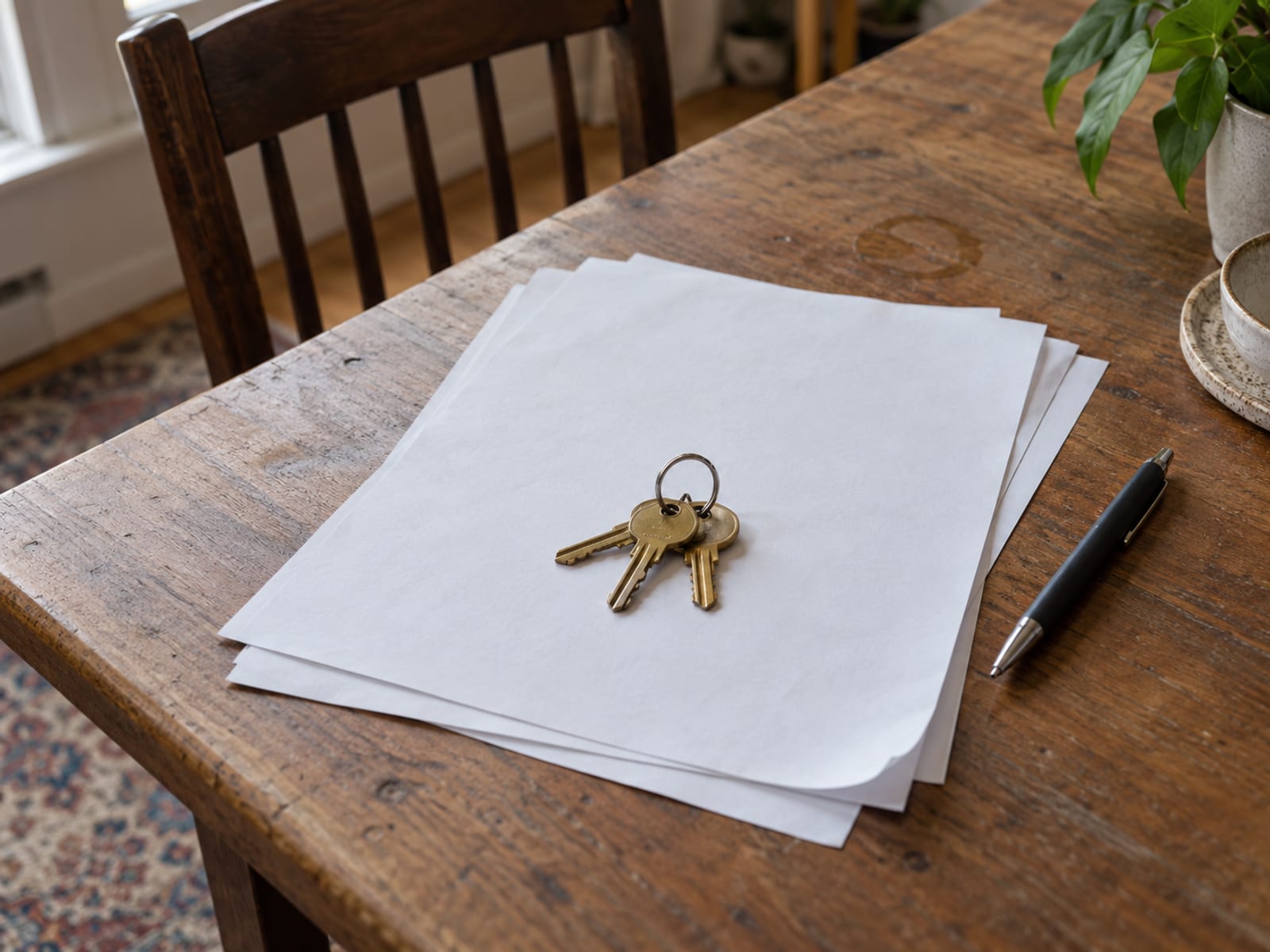
A landlord can put an insurance condition in the lease, and when you sign it, the clause sets what you agreed to carry. Read the clause closely before you shop. Look for:
- The minimum liability or personal property amount it names.
- The proof it accepts, such as a declarations page or a certificate.
- The deadline for proof and any notice you must give if coverage changes.
- Whether the landlord must be listed as an interested party or additional insured.
- What happens if your coverage lapses, including any fee or other consequence.
If you believe a clause is unfair or it is being enforced in a way you dispute, contact the DC Office of the Tenant Advocate (OTA) or DISB before you sign or pay. Ask the agency you speak with whether the policy it offers meets each item in the clause, and get the answer in writing.
What a DC renters policy covers
A standard renters policy has four main parts, according to the DISB homeowners and renters insurance tips (opens in a new tab) and the NAIC renters insurance guide (opens in a new tab):
- Personal property. Pays for covered damage, destruction or theft of your belongings, such as furniture, clothing and electronics.
- Personal liability. Responds to covered claims that you caused bodily injury or property damage to someone else.
- Additional living expenses, or loss of use. Pays extra costs of living elsewhere when a covered loss makes your rental unlivable.
- Medical payments to others. Pays certain medical bills for people hurt at your home, subject to per-person or per-accident limits.
Each part has its own limit, and your deductible applies to property claims. The policy form, endorsements and exclusions decide what a real claim pays, so the declarations page is the document to compare against your lease. For a broader look at each part, see what renters insurance covers.

What renters insurance usually leaves out
Typical exclusions and limits on a renters policy include (DISB tips (opens in a new tab); NAIC policy guide (opens in a new tab)):
- Flood.
- Earthquake, unless you add it.
- The building itself, which the landlord insures.
- Your car and damage to it, which belong under auto insurance.
- A roommate's belongings when the roommate is not an insured on your policy.
- Special dollar limits on jewelry, art, antiques, firearms, electronics and similar items.
- Any amount above your policy limits or within your deductible.
Water is where the lines matter most. Flood is excluded from a standard renters policy, while some sudden, accidental water damage, such as a burst pipe, may be covered. If you rent a basement or ground-floor unit, ask about flood coverage for your contents separately; our guide to DC flood insurance covers how that works.
What happens after a fire, burst pipe, flood or building closure
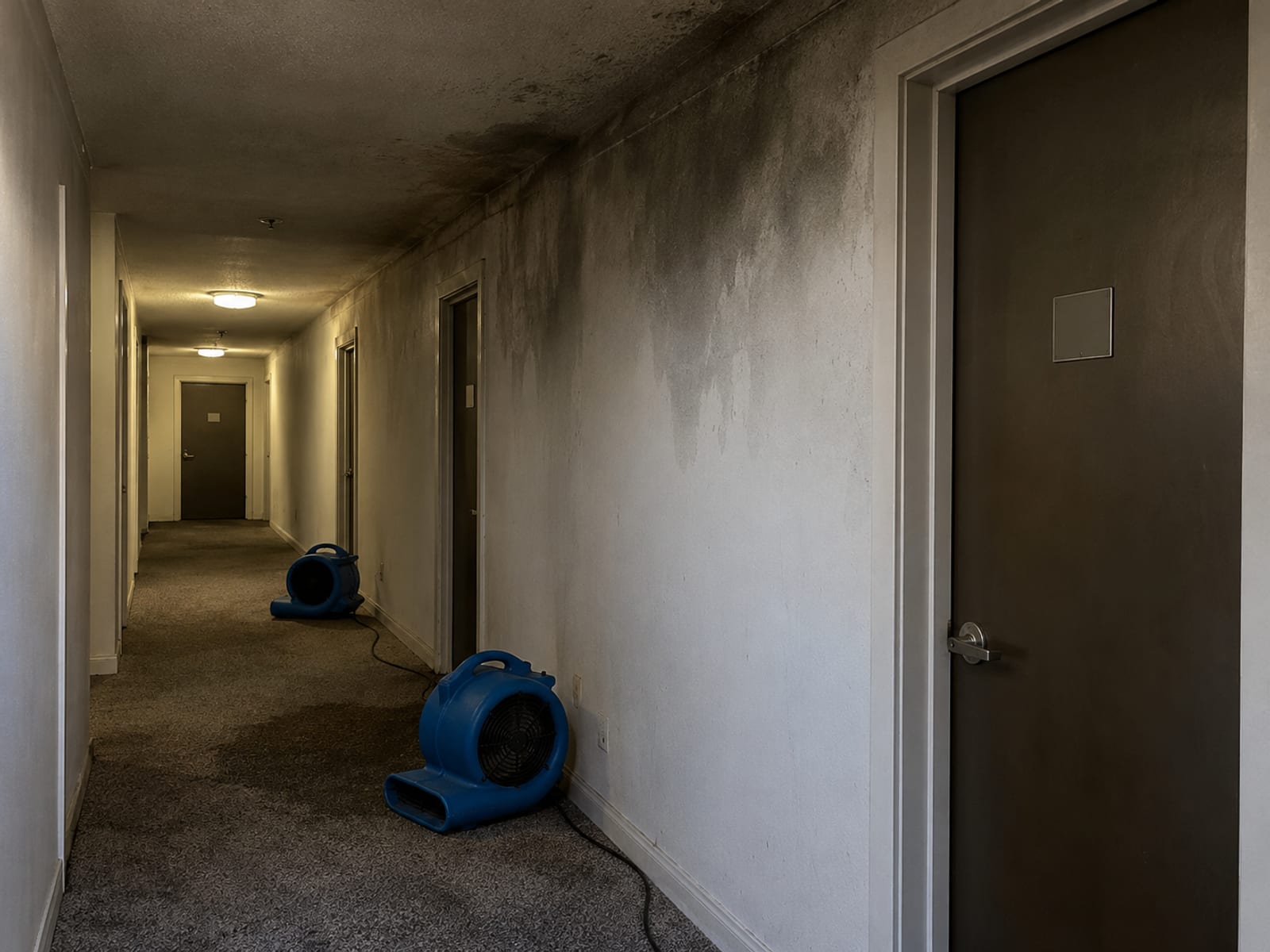
A loss that forces you out of your unit touches several kinds of protection at once, and each one pays for something different. The landlord's insurance generally covers the building, the landlord's property and the landlord's rental income, according to the DISB renters guide (opens in a new tab). It does not insure your furniture, clothing or electronics.
Your own renters policy is what responds to your belongings, your liability and your additional living expenses when a covered loss makes the unit uninhabitable. After a fire or a burst pipe, that can include a hotel or temporary rental while repairs are made, subject to the policy's terms and limits. A flood is handled differently, because it is excluded from the standard policy and needs separate flood coverage.
DC also runs a separate program. The Office of the Tenant Advocate (opens in a new tab) provides emergency housing to tenants displaced by fires, floods or government closures, through hotel accommodations, storage help and coordination of services. That assistance is a District program, not an insurance benefit, and eligibility and length of help depend on the circumstances and program rules.
How replacement cost and actual cash value differ
Actual cash value pays an item's value at the time of the loss, after depreciation and your deductible, according to DISB (opens in a new tab). Replacement cost coverage is meant to pay what it costs to replace the item with a comparable new one, subject to the policy's conditions, limits and deductible.
Take a four-year-old laptop that was stolen. Under actual cash value, the payment reflects what a four-year-old laptop is worth, minus your deductible. Under replacement cost, the payment is based on the price of a comparable new laptop, minus your deductible. Neither choice is right for everyone; the difference shows up in the premium and in the claim check. Our article on replacement cost vs actual cash value works through more examples.
Basic policies may set special limits on jewelry, art, antiques, electronics, firearms and collectibles. A rider, endorsement or scheduled personal property provision can give broader or higher coverage for specific items, and the insurer may ask for an appraisal, receipt or photo to add them (NAIC (opens in a new tab)).
Students, interns, roommates and short leases
Unrelated roommates each need their own renters policy to protect their own belongings, according to DISB (opens in a new tab). One roommate's policy does not cover the others just because they share a unit.
College students may need renters insurance if a parent's homeowners policy does not cover them, according to DISB (opens in a new tab). A student under age 26 who lives on campus may have some coverage under a parent's policy, but the amount and conditions can be limited (NAIC guidance for college students (opens in a new tab)). An intern or student renting an apartment off campus for a semester is a different situation, and the parent's insurer is the one to ask.
If you are a student, an intern or one of several tenants in a shared house, confirm:
- Whether you are a named insured or a qualifying resident.
- Whether the policy covers this address and lease term.
- Whether a parent's policy applies away from the family home.
- Whether that coverage has a dollar or percentage limit.
- Whether each unrelated roommate has a separate policy.
- Whether a short-term or sublet arrangement is excluded or restricted.
Bicycles, packages and belongings in a car
Many renters policies protect your belongings away from home, including property stolen from a car or a hotel room, subject to the policy's coverage territory, exclusions, special limits and deductible, according to the NAIC renters insurance guide (opens in a new tab).
A car break-in usually involves two policies. Damage to the vehicle, such as a broken window, is an auto insurance question. The laptop or bag taken from the seat may fall under your renters personal property coverage. A bicycle can count as personal property too, though a high-value bike may run into a special limit, an exclusion or a documentation requirement. A stolen package is fact-specific: coverage can depend on whether ownership had passed to you, where the package was and how the policy treats theft and unattended property. For more on theft claims, see does renters insurance cover theft.
How to file a DC renters insurance claim
Notify your insurer promptly and follow the policy's notice and proof-of-loss requirements. The steps that help a claim are:
- Report the loss to the insurer, and to the police when it involves theft.
- Keep damaged property when it is reasonably safe to do so.
- Photograph or video the damage.
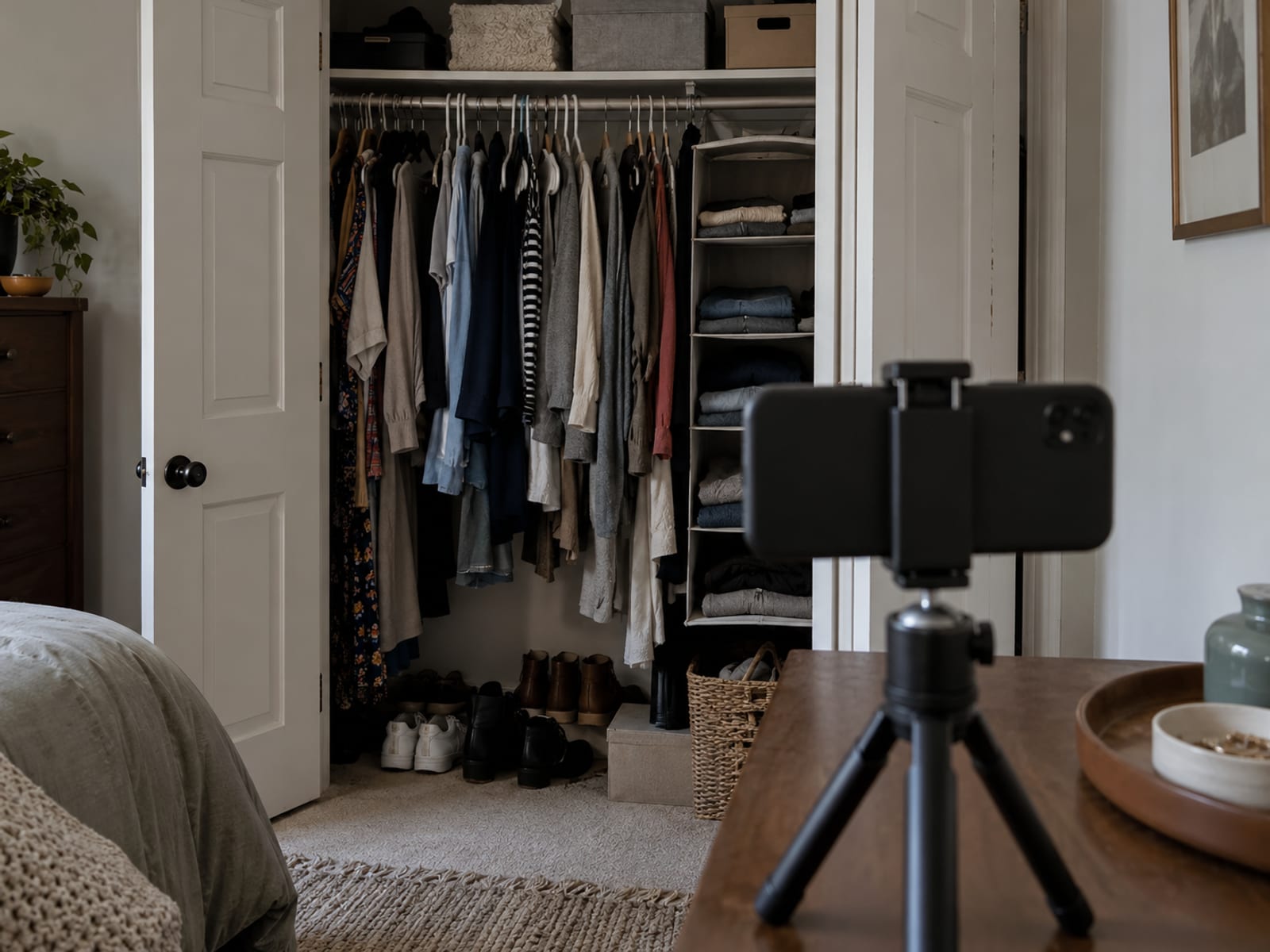
- Prepare an inventory of what was damaged or stolen.
- Gather receipts, repair records and other proof of ownership.
- Put your communications with the insurer in writing and keep copies.
Filing a renters claim in DC
- Report itNotify the insurer promptly, and the police when the loss involves theft.
- Preserve itKeep damaged property when it is reasonably safe.
- Document itPhotograph or video the damage and prepare an inventory.
- Prove itGather receipts, repair records and proof of ownership.
- Keep a recordCommunicate in writing and keep copies of everything.
DC law sets the standard for how insurers handle claims. DC Code § 31-2231.17 (opens in a new tab) treats as unfair claim practices failing to act reasonably promptly, failing to investigate reasonably, refusing to pay without a reasonable investigation, failing to affirm or deny coverage within a reasonable time after proof of loss, and failing to promptly explain a denial. A DISB emergency rule from June 2020 (opens in a new tab) set 15-business-day deadlines for certain claims from the 2020 demonstrations, but that rule was temporary and expired October 10, 2020, so it is not a deadline for ordinary claims today. If a claim stalls, ask the insurer in writing for its status and its reasons, and contact DISB if it does not respond reasonably.
How to check an insurer or agent and file a complaint
Before you rely on a quote, confirm that the agent and insurer are licensed in DC with the DC insurance license lookup (opens in a new tab). DISB's Verify Licensed Insurers page (opens in a new tab) links to the same lookup tools, and its licensing division answers at (202) 727-8000.
If a problem comes up, contact the insurer, broker or agent in writing first, and keep the policy number, dates, names, correspondence and the resolution you are asking for. DISB accepts complaints (opens in a new tab) about coverage, claim disputes, premiums, sales misrepresentation, cancellations, refunds, insurers, producers, brokers, agents and public adjusters. DISB says most complaints are investigated and resolved in about 45 days, which is an agency estimate rather than a guaranteed deadline.
Questions to ask an agency
- What perils does the policy cover, and which does it exclude?
- Does it pay personal property at actual cash value or replacement cost?
- What deductible applies?
- What personal liability and medical payments limits are included?
- How is additional living expense or loss of use coverage calculated, and for how long?
- Are bicycles, electronics, jewelry, art, firearms, collectibles or business equipment subject to special limits?
- Does coverage apply away from the rental?
- How does the policy treat roommates?
- Does a parent's policy cover a student at this address?
- Is flood coverage separate?
- What documents would I need for a claim?
- How does this policy meet the proof-of-insurance requirement in my lease?
- Is the insurer licensed in DC, and is the producer?
- What are the effective date, expiration date and renewal process?
Check what you know about DC renters insurance
Frequently asked questions
Does the landlord's insurance cover my belongings?
No. The landlord's insurance covers the building and the landlord's interests, not the renter's personal property, according to the DISB renters guide (opens in a new tab). Your own renters policy is what responds to your furniture, clothing and electronics.
Does renters insurance cover floods?
Flood is typically excluded from standard renters policies, according to DISB (opens in a new tab). Flood coverage for your belongings is a separate question for the National Flood Insurance Program or a private flood insurer.
What should I keep in case I need to file a claim?
Keep an inventory of your belongings, photos or video of each room, receipts for major items and your policy documents. Store copies somewhere other than your apartment so they survive the same loss.
How do I verify a DC insurer or agent?
Use DISB's license verification tools (opens in a new tab) or call DISB at (202) 727-8000. Check both the person selling the policy and the company issuing it.
Your next step
Read the insurance clause in your lease, note the limits and proof it asks for, and take the questions above to a licensed agency. Riskado's directory lists insurance agencies in the District of Columbia by category.
Key terms
Tap a term to see what it means.
HO-4. The standard renters insurance policy form, covering a tenant's belongings, liability, medical payments to others and loss of use.
Additional living expenses. Extra costs of living elsewhere while a covered loss keeps you out of your rental, also called loss of use.
Actual cash value. Payment for an item's value at the time of the loss, after depreciation.
Replacement cost. Payment based on what it costs to replace an item with a comparable new one, subject to the policy's terms.
Scheduled personal property. Coverage that lists specific high-value items on the policy, usually with their own limits.
Declarations page. The page of a policy that lists the coverages, limits and deductibles.