Virginia Renters Insurance: What It Costs, What It Covers and What Virginia Law Says About Landlords Requiring It
Riskado
Virginia renters insurance is usually an HO-4 policy that covers your personal belongings, your personal liability, medical payments to others and additional living expenses after a covered loss. No Virginia law requires every renter to buy one, but a landlord may require renters insurance as a condition of tenancy if the rental agreement says so, under Virginia Code § 55.1-1206 (opens in a new tab). The landlord's insurance protects the building and the landlord's property, not your belongings, according to the Virginia SCC renters insurance guide (opens in a new tab). In 2023, the statewide average HO-4 premium in Virginia was $165, a dated average rather than a quote.
Key takeaways
- What it coversPersonal belongings, personal liability, medical payments to others and additional living expenses after a covered loss.
- Is it requiredNo Virginia law requires every renter to buy it, but a landlord may require it in the rental agreement.
- Landlord's policyProtects the building and the landlord's property, not your belongings.
- CostVirginia's statewide average HO-4 premium was $165 in 2023, a dated average rather than a quote.
Is renters insurance required in Virginia?
Virginia sets no universal renters insurance mandate. The requirement, when there is one, comes from your lease: § 55.1-1206(B) (opens in a new tab) lets a landlord require renters insurance as a condition of tenancy if the rental agreement specifies it. So, the first place to look is the insurance clause in your lease, and whether it asks for renters insurance, damage insurance or both.
If the lease does not require renters insurance, the same section requires the landlord to give you written notice before you sign. That notice states that the landlord is not responsible for your personal property, that the landlord's insurance does not cover your personal property, and that you should get renters insurance if you want to protect your belongings (Virginia Code § 55.1-1206 (opens in a new tab)).
When the lease does require coverage, ask your landlord or property manager what proof they accept and when they need it. Many tenants supply a declarations page or a certificate of coverage before move-in.

How much does renters insurance cost in Virginia?
Virginia's statewide average HO-4 premium was $165 in 2023, according to the NAIC 2023 Homeowners Report (opens in a new tab). The same report shows $127,277,470 in Virginia HO-4 premium over 769,175.3 house-years, which is how the average is built.
The average rises with the amount of coverage. The NAIC report breaks Virginia's 2023 HO-4 premiums out by coverage band:
Hover or tap a row to highlight it.
| Amount of personal property coverage | Average annual premium, 2023 |
|---|---|
| Under $10,000 | $111 |
| $10,000 to $14,999 | $140 |
| $20,000 to $24,999 | $154 |
| $30,000 to $34,999 | $161 |
| $50,000 to $59,999 | $184 |
| $100,000 to $124,999 | $295 |
| $200,000 and over | $528 |
These are historical statewide averages for one policy form. The report gives no city or regional HO-4 averages, so it says nothing specific about a Richmond, Virginia Beach, Norfolk, Northern Virginia, Blacksburg or Charlottesville apartment. Your own premium depends on the insurer, the limits and deductible you pick, and the details of your rental. To work out how much coverage you might want, see how much renters insurance do I need.
What a Virginia renters policy covers
An HO-4 policy has four main parts, according to the Virginia SCC renters insurance guide (opens in a new tab):
- Personal property. Your household contents and personal possessions, such as furniture, clothing and electronics.
- Additional living expenses, or loss of use. Extra costs of living elsewhere when a covered loss makes your rental unlivable, subject to the policy's terms and limits.
- Personal liability. Claims that you injured someone or damaged their property.
- Medical payments to others. Certain medical bills for guests hurt at your home, regardless of fault.
Most renters policies are named-perils policies, which means they pay only for the causes of loss they list. The Virginia SCC guide lists fire, lightning, windstorm, hail, explosion, riot or civil commotion, aircraft, vehicles, smoke, vandalism, malicious mischief, theft, accidental discharge or overflow of water or steam from plumbing or related systems, freezing of plumbing or related systems, and artificially generated electrical current.
A renters policy also gives limited coverage for your property away from home. The exact limits, deductibles and endorsements on your declarations page decide what a real claim pays. For a broader look at each part, see what does renters insurance cover.

What renters insurance usually leaves out
The Virginia SCC lists these typical exclusions on a renters policy (renters insurance guide (opens in a new tab)):
- Flood.
- Sewer backup, unless you add it.
- Earthquake, unless you add it.
- Power failures.
- Neglect.
- War.
- Nuclear hazard.
- Intentional acts.
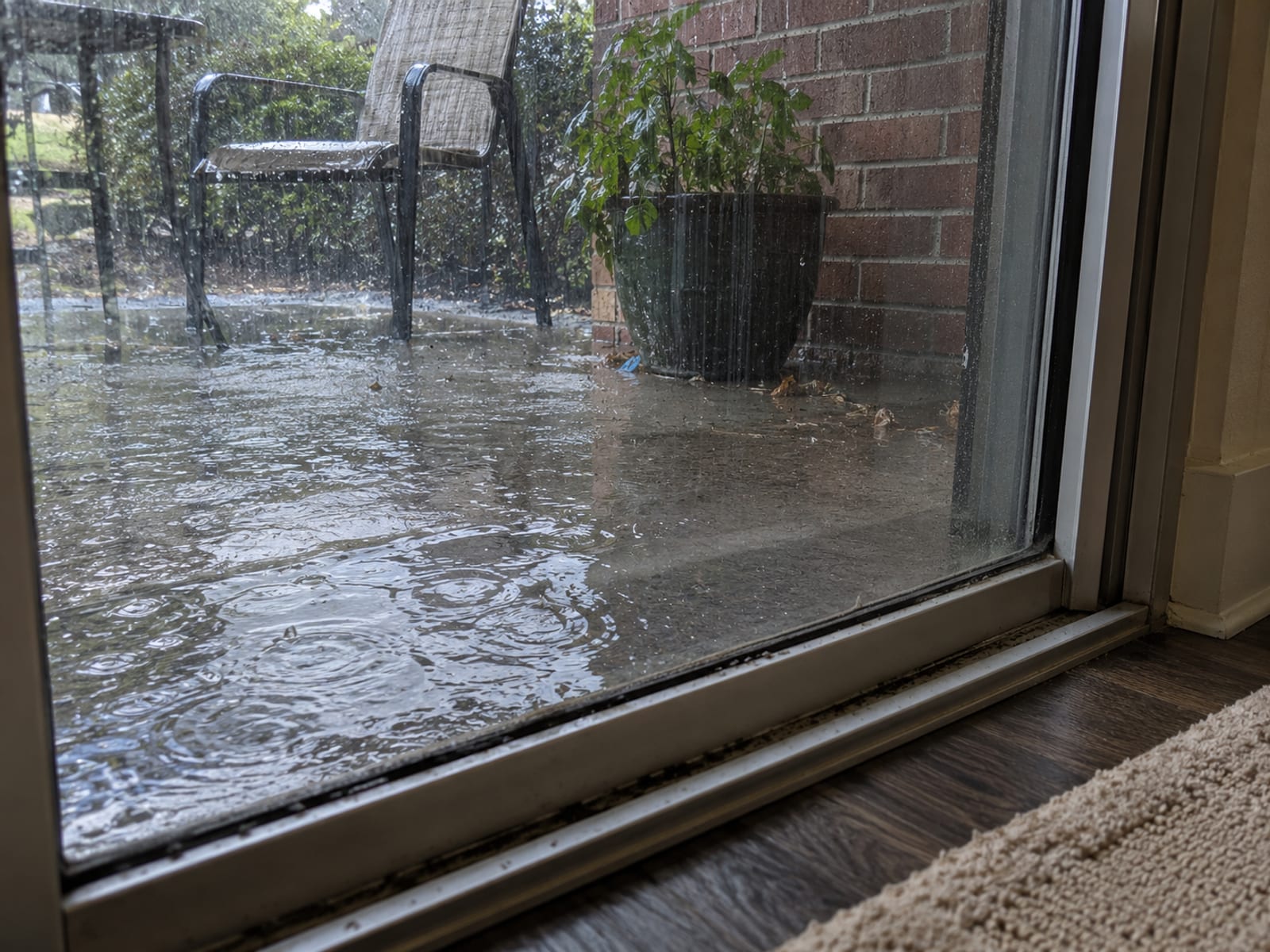
Water is where these lines matter most. A sudden discharge from a plumbing system is a listed peril, while flood is excluded and sewer backup needs its own endorsement. If you rent in a flood-prone part of Virginia, flood coverage for your contents comes from a separate policy; our guide to Virginia flood insurance covers how that works. If you run a business from home, ask whether business equipment and business activities are covered, because the answer depends on the policy wording.
Does your landlord's insurance cover your belongings?
Generally, no. The landlord's insurance covers the landlord's building and property interests, not your furniture, clothing, electronics, appliances or other possessions, according to the Virginia SCC (opens in a new tab). Your own renters policy is what responds to your personal property, your liability, medical payments to others and your extra living costs after a covered loss.
Virginia law separately covers what happens to the lease after a fire or casualty. Under the version of Virginia Code § 55.1-1240 (opens in a new tab) in effect until January 1, 2027, if a fire or casualty substantially impairs your use of the unit or requires you to vacate for repairs, either side may end the rental agreement. You have 14 days after vacating to give written notice, and the landlord may give 14 days' notice. The version effective January 1, 2027 extends the tenant's window to 21 days, generally requires the landlord to give 21 days' notice, and adds meeting, alternative-unit and reevaluation steps; a tenant may request reevaluation within seven days of the landlord's termination notice.
That statute deals with the lease, rent, prepaid rent and the security deposit. Your claim for your belongings and your additional living expenses still runs through your own renters policy.
Can a Virginia landlord charge you for renters insurance?
Yes. § 55.1-1206(B) (opens in a new tab) lets a landlord require renters insurance and have the tenant pay the cost as rent, or as otherwise provided in that section. The landlord must tell you in writing that you may get a separate policy instead of the landlord's. If you choose your own policy, you must give the landlord written proof and keep the coverage in force for the whole rental agreement.
When the landlord obtains renters insurance for you, § 55.1-1206(D) (opens in a new tab) requires that you be an insured under the policy. The landlord may recover the actual insurance cost plus administrative or other program fees, including fees tied to opting out. Before you sign, the landlord must give you a policy summary prepared by the insurer or a certificate of coverage, and must make the policy available if you ask.
There is also a cap on what you pay up front. Under § 55.1-1206(C) (opens in a new tab), when insurance premiums are paid before the tenancy begins, the security deposit, damage insurance premiums and renters insurance premiums combined may not exceed two months' periodic rent. The landlord may add a monthly amount as additional rent to recover further renters insurance costs.
What happens if your renters policy lapses?
If your lease requires renters insurance and your own policy lapses, the landlord may place landlord-arranged renters insurance, and you remain responsible for those premiums until you provide written proof that your coverage is reinstated (Virginia Code § 55.1-1206 (opens in a new tab)).
A lapse can start sooner than you expect. An insurer may cancel for nonpayment even when a payment is one day late, according to the Virginia SCC renters insurance guide (opens in a new tab). If a payment slips, call the insurer or agent, restore the policy, and send the landlord written proof right away.
Actual cash value, replacement cost and high-value items
Most renters policies pay actual cash value, which is the depreciated value of an item at the time of the loss, according to the Virginia SCC (opens in a new tab). Replacement cost coverage pays what it costs to replace the item without subtracting depreciation, subject to the policy's terms. On a five-year-old laptop, that difference can be large. Our article on replacement cost vs actual cash value works through how each one pays.
Jewelry, silver, cameras and similar items may carry their own dollar limits inside the policy. If you own items worth more than those limits, ask whether you need higher limits or scheduled personal property coverage, which lists specific items on the policy.
Students, roommates and shared housing
A student under age 26 who is enrolled in classes and living in on-campus housing may be covered under a parent's homeowners or renters policy, according to the NAIC's guidance on renters insurance for college students (opens in a new tab). The parent should confirm the policy's age, enrollment, location, property and limit rules before relying on it. Students who live off campus may need their own renters policy.
Roommates are not covered automatically just because they share the unit. A renters policy covers the policyholder's property (Virginia SCC (opens in a new tab)), and whether a roommate, domestic partner or family member counts as an insured depends on how the policy defines insured persons and household members. Roommates may be able to buy one policy together, though separate coverage for each adult tenant can make more sense depending on those definitions, according to the NAIC (opens in a new tab).
How to document and file a renters claim
The Virginia SCC recommends contacting your agent or insurer right after a loss. The steps that follow are:
- Notify the agent or insurer promptly.
- Notify the police when the loss involves theft.
- Protect your property from further damage, and make temporary repairs when that is reasonable.
- Keep damaged property when it is safe to do so.
- Prepare an inventory of the damaged or stolen items.
- Provide receipts, purchase records, photos, model numbers, serial numbers and other proof of ownership and value.
- Complete the claim forms and cooperate with the insurer.
The work goes faster when it starts before a loss. A room-by-room inventory, photos or video of your belongings, and saved receipts and serial numbers, stored somewhere other than your apartment, give you the proof the insurer will ask for.
Filing a renters claim in Virginia
- Report itNotify your agent or insurer promptly, and the police when the loss involves theft.
- Limit the damageProtect your property from further damage and make reasonable temporary repairs.
- Document itKeep damaged items when safe and prepare an inventory of what was damaged or stolen.
- Prove itProvide receipts, purchase records, photos, model numbers and serial numbers.
- Follow throughComplete the claim forms and cooperate with the insurer.

How to check an agent or file a complaint
Before you rely on a quote, confirm the agent and insurer are licensed in Virginia with the Virginia insurance license lookup (opens in a new tab). The Virginia SCC Bureau of Insurance also runs a producer, agency and company search (opens in a new tab).
If a dispute comes up, contact the insurer or agent first, ask for an explanation, and compare the answer with your policy and Virginia law. If that does not settle it, you can file through the Bureau's insurance complaint process (opens in a new tab) with your supporting documents. The Bureau's property and casualty consumer services line is 804-371-9185, and the toll-free number is 1-877-310-6560. The Bureau can review whether a company or agent followed Virginia law and the policy for Virginia-issued policies; it does not act as your lawyer.
Questions to ask before you buy or renew
- Is this an HO-4 renters policy?
- Does it pay personal property at actual cash value or replacement cost?
- Which named perils does it cover?
- Are flood, sewer backup, earthquake, mold or other water losses excluded, or available by endorsement?
- What are the limits for jewelry, cameras, bicycles and electronics, and would scheduled personal property coverage apply?
- How much coverage applies to my property away from home?
- Who counts as an insured if a roommate, partner or family member lives with me?
- Does the policy cover a home business or business equipment?
- What personal liability, medical payments and loss of use limits apply, and what is the deductible?
- What documents would I need to file a claim, and how should I report theft or water damage?
- What happens if a premium payment is late?
- What can I give my landlord as proof of coverage?
For help choosing someone to ask, see how to choose an insurance agent.
Check what you know about Virginia renters insurance
Frequently asked questions
How quickly should an insurer respond to my renters claim?
The insurer should acknowledge your claim within 10 working days, according to the Virginia SCC homeowners insurance guide (opens in a new tab). There is no fixed settlement deadline because claims differ, but the insurer should explain every 45 days why it needs more time.
What does Virginia law say about slow or unfair claim handling?
Virginia Code § 38.2-510 (opens in a new tab) treats failing to act reasonably promptly, failing to investigate promptly, and failing to affirm or deny coverage within a reasonable time after proof of loss as unfair claim practices when they happen often enough to be a general business practice. The statute sets no single payment deadline for every renters claim.
Can I keep my own renters policy if my landlord offers one?
Yes. The landlord must tell you in writing that you may get a separate policy, and you then provide written proof and keep that coverage for the whole lease (Virginia Code § 55.1-1206 (opens in a new tab)). Ask whether the landlord's program charges an opt-out fee.
Does loss of use pay for a hotel after a fire?
Loss of use generally pays additional living expenses when a covered loss makes your rental uninhabitable, subject to the policy's terms and limits. Ask your agent how long it pays and what counts as an additional expense.
Your next step
Read the insurance clause in your lease, decide whether you want your own policy or the landlord's program, and take the questions above to a licensed agency. Riskado's directory lists insurance agencies in Virginia by city and by category.
Terms used in this guide
Tap a term to see what it means.
HO-4. The standard renters insurance policy form, covering a tenant's belongings, liability, medical payments to others and loss of use.
Named perils. A policy that pays only for the causes of loss it lists, such as fire, theft or windstorm.
Additional living expenses. Extra costs of living elsewhere while a covered loss keeps you out of your rental, also called loss of use.
Actual cash value. Payment for an item's depreciated value at the time of the loss.
Replacement cost. Payment for what it costs to replace an item without subtracting depreciation, subject to the policy's terms.
Scheduled personal property. Coverage that lists specific high-value items on the policy, usually with their own limits.
Landlord-arranged insurance. Renters insurance a landlord obtains for a tenant, with the tenant as an insured and the cost recovered as rent.
Declarations page. The page of a policy that lists the coverages, limits and deductibles.