Virginia Homeowners Insurance: What It Costs, What It Covers, Wind and Flood, and State Rules
Riskado
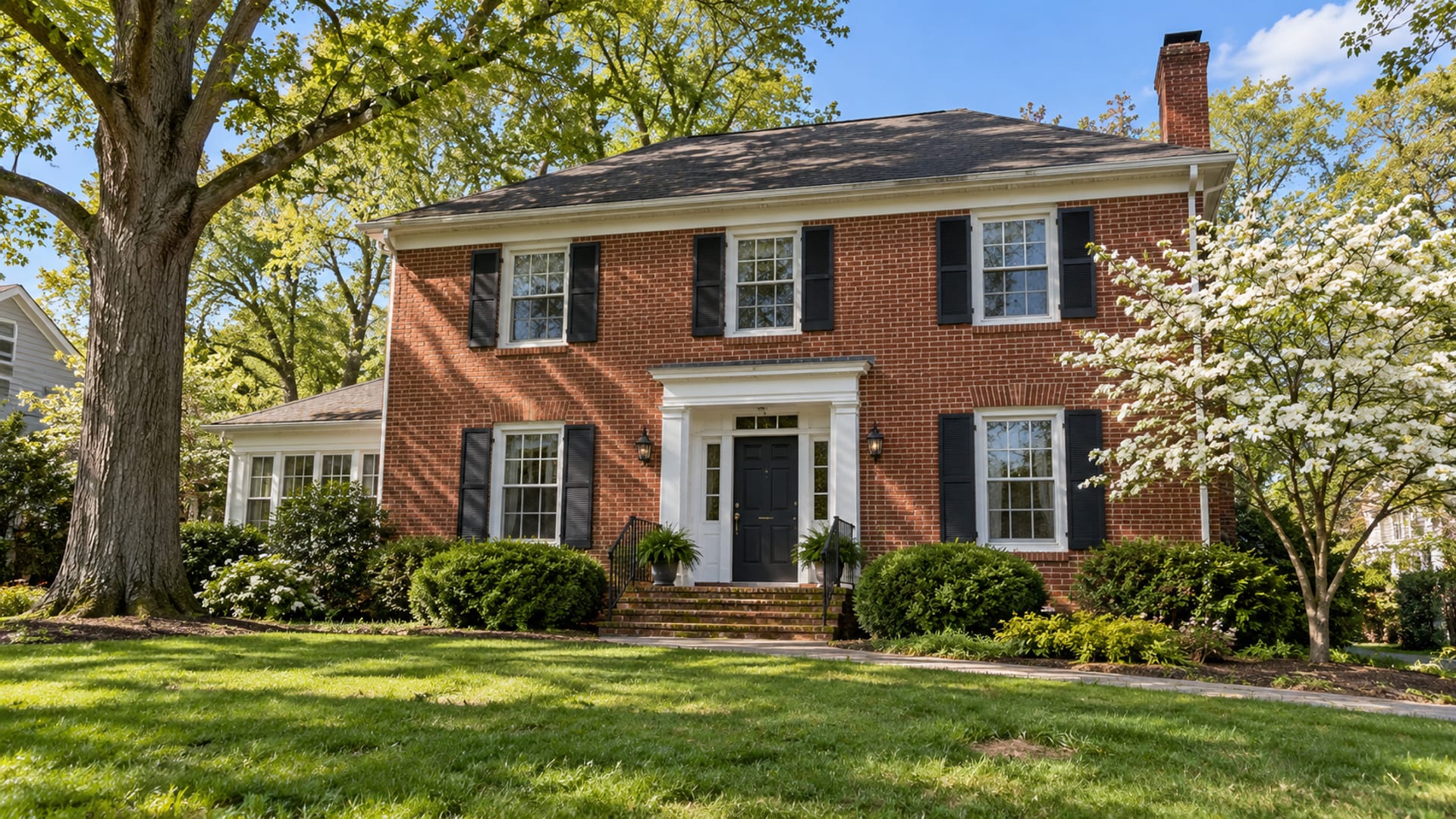
Virginia homeowners insurance usually combines coverage for your house, other structures on the property, your personal belongings, additional living expenses if you have to move out during repairs, personal liability and medical payments to others, according to the Virginia SCC Homeowners Insurance Consumer Guide (opens in a new tab). Standard policies generally leave out flood, surface water, storm surge and earth movement, and sewer or water backup may need an endorsement. Your price depends on the property, the amount of coverage, construction, location, deductible, claims history, credit information and the insurer. Virginia law limits when an insurer can cancel or nonrenew an owner-occupied home policy and how much notice you get. A lender may require insurance as a loan condition, which is separate from what state law requires.
Key takeaways
- What it coversThe house, other structures, personal belongings, additional living expenses, personal liability and medical payments to others.
- What it leaves outFlood, surface water, storm surge and earth movement are generally excluded; sewer or water backup may need an endorsement.
- PriceDepends on the property, coverage amount, construction, location, deductible, claims history, credit information and insurer.
- Cancellation rulesVirginia law limits when an insurer can cancel or nonrenew an owner-occupied home policy and sets the notice.
- Lender versus lawA lender may require insurance as a loan condition, which is separate from state law.
What does Virginia homeowners insurance cost?
There is no single Virginia price, because each premium is set for one property and one set of coverage choices. Published averages, such as those in the NAIC's 2023 Homeowners Report (opens in a new tab), are figures for a year of coverage by policy form, state and amount of insurance, not a quote for any one home. The HO-3 form, the common policy for an owner-occupied house, made up 79.45% of owner-occupied homeowners exposures nationally in that report.
Averages also climb with the coverage amount. Premiums generally rise as the amount of insurance rises, and underwriting costs, repair costs, state laws, economic conditions, demographic factors and natural events all affect them, according to the NAIC. A larger dwelling limit, a coastal address or a lower deductible can put your quote well away from any statewide figure. The way to learn your own number is to ask agencies to quote the same coverage, limits and deductibles so you can compare like with like. Our guide on how much homeowners insurance you need explains how the dwelling limit is set.
Is homeowners insurance required by Virginia law or by your lender?
Keep three kinds of requirements apart. The first is state law, and the Virginia SCC Bureau of Insurance can tell you whether any state rule applies to your situation.
The second is your mortgage. According to the SCC consumer guide (opens in a new tab), a lender can require insurance as a condition of the loan, and it can protect its interest through lender-arranged insurance if you do not keep the required coverage. Those terms are in your note, your deed of trust and the lender's insurance provisions, so read them or ask the lender what coverage, deductible and named-mortgagee wording it accepts.
The third is the policy itself. Once you buy coverage, you keep it by paying the premium and meeting the renewal terms in the contract.
What does a standard Virginia policy cover?
A homeowners policy is built in sections, and each one has its own limit. The SCC guide (opens in a new tab) describes coverage for:
- The dwelling, meaning the house itself.
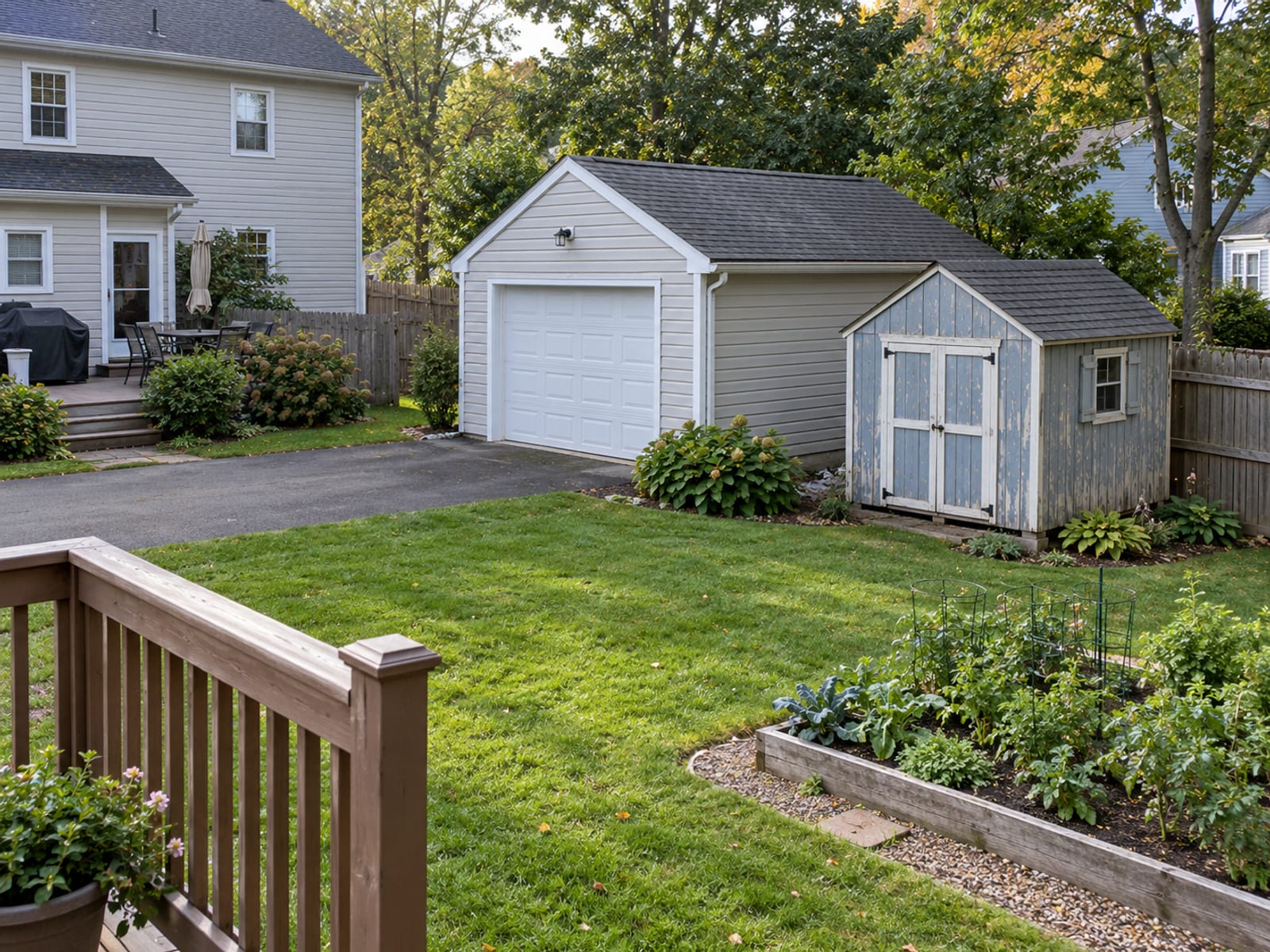
- Other structures detached from the house, such as a garage or shed.
- Personal property, both at home and away from it.
- Additional living expenses while you cannot live in the home after a covered loss.
- Personal liability if you are responsible for injury or damage to someone else.
- Medical payments for guests hurt on your property.
Policies come in named-peril forms, which list the causes of loss they cover, and open-peril forms, which cover causes of loss unless the policy excludes them. Even an open-peril policy does not cover property damage from every possible cause, according to the SCC. How the insurer values a loss matters too; our article on replacement cost vs actual cash value explains the difference.
What does a standard policy leave out?
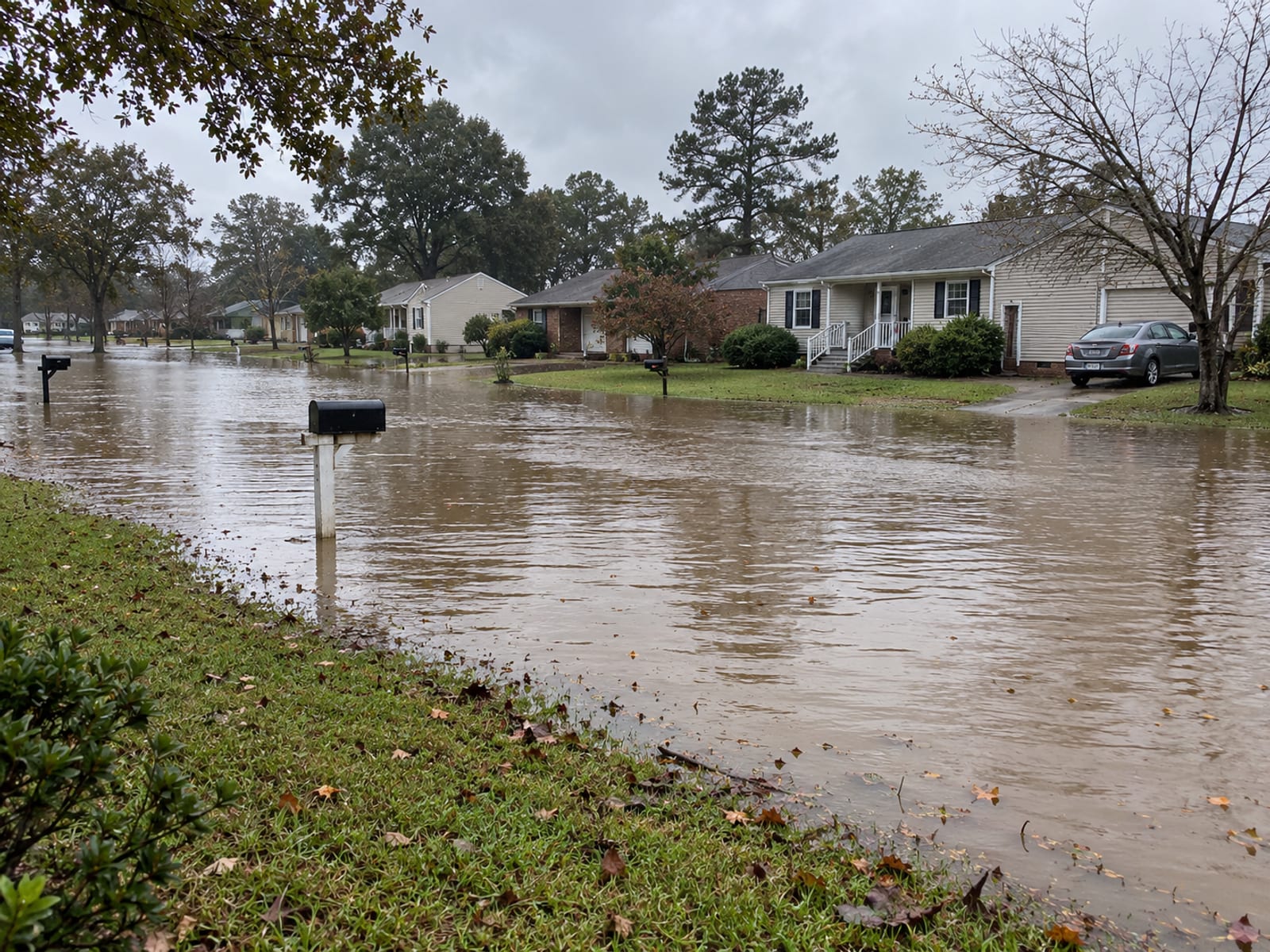
The exclusions are where most coverage questions start. Virginia homeowners policies generally exclude flood, surface water and storm surge, according to the SCC guide (opens in a new tab). Flood coverage is a separate policy, commonly available through the National Flood Insurance Program at FloodSmart (opens in a new tab). Our guide to Virginia flood insurance covers how that policy works.
Earth movement is another common exclusion. Sewer and water backup is limited unless you buy the coverage or add it by endorsement. Insurers in Virginia are required to offer water and sewer backup coverage and building ordinance or law coverage, but those options may cost extra, according to the SCC. Ask what limit and deductible apply to each.
Vacancy matters as well. Some coverage may be suspended when a home is vacant or unoccupied, according to the SCC, so tell the agency if the house will sit empty during a move, a renovation or a long stay elsewhere. Every claim is also subject to the policy's limits, deductibles, exclusions and proof-of-loss requirements.
How do wind, hurricane and percentage deductibles work?
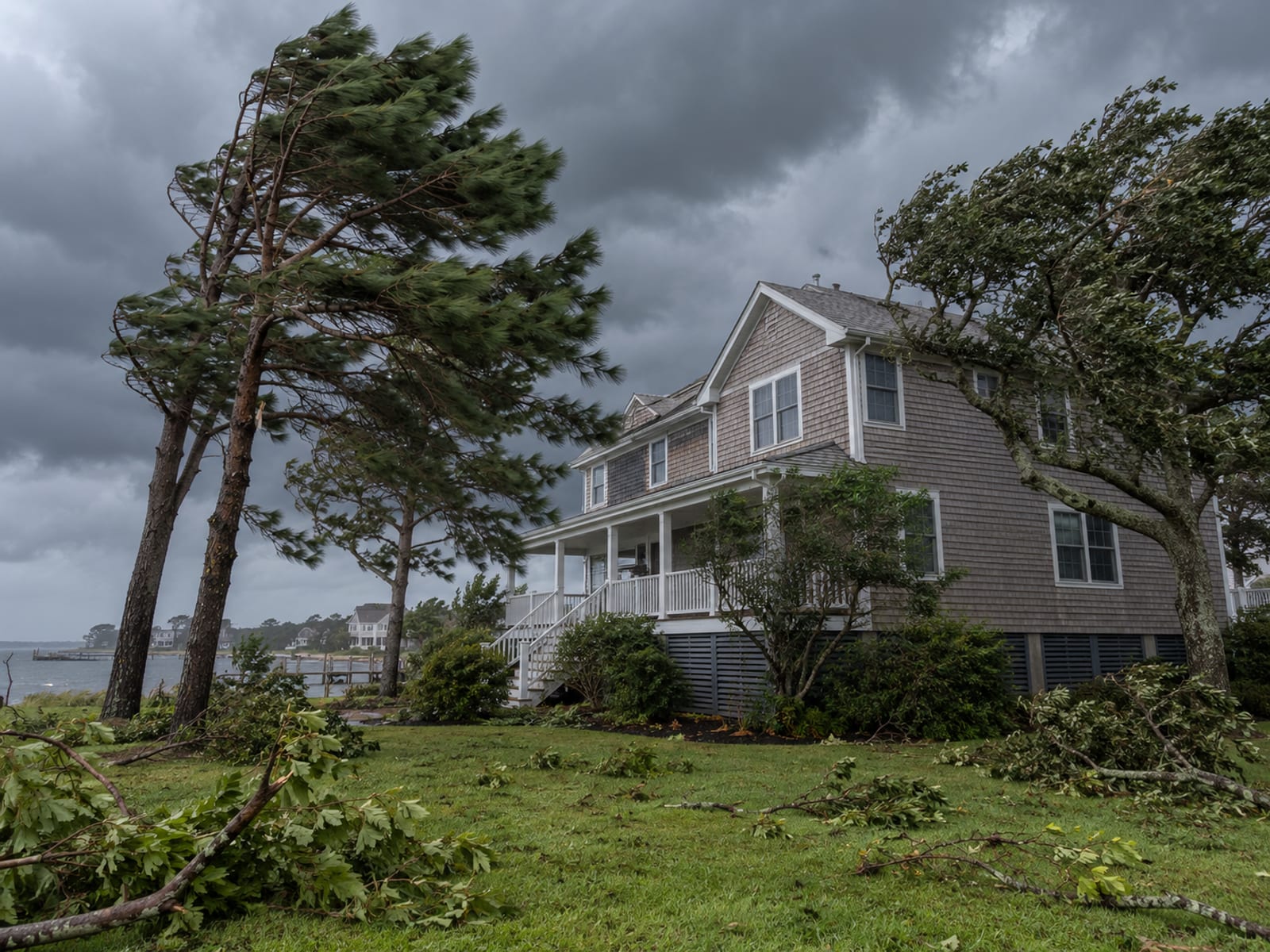
Many Virginia insurers use a separate deductible for wind, hail or named storms such as hurricanes and tropical storms, according to the SCC guide (opens in a new tab). That deductible can be a flat amount, such as $2,000, or a percentage of the dwelling coverage amount.
The percentage applies to the dwelling limit, not to the repair bill. In the SCC's example, a home insured for $200,000 with a 2% hurricane deductible has a $4,000 deductible. On a $5,000 covered loss, the insurer would pay $1,000. With a 5% deductible, the deductible is $10,000, so the insurer would pay nothing toward a $4,000 repair.
Hover or tap a row to highlight it.
| Example from the SCC guide | Dwelling limit | Deductible | Insurer pays |
|---|---|---|---|
| 2% hurricane deductible, $5,000 covered loss | $200,000 | $4,000 | $1,000 |
| 5% hurricane deductible, $4,000 repair | $200,000 | $10,000 | $0 |
What triggers the deductible and where it applies depend on your policy language and declarations page. If an insurer raises a deductible at renewal, it must tell you and explain how the new deductible works, according to the SCC. Ask the agency which peril triggers it, what territory it applies in, and what policy amount the percentage is calculated from.
Why can your premium go up at renewal?
Virginia uses competitive rating, so different companies can charge different premiums for the same home, according to the SCC guide (opens in a new tab). Repair and reconstruction costs, the home's location and storm exposure, the deductible, the coverage amount, claims history and credit information can all move a premium.
Credit has specific rules in Virginia. An insurer may refuse to issue a policy or charge more when credit information affects underwriting or rating, but it may not nonrenew solely on the basis of a credit report, according to the SCC. If credit leads to an adverse action, the insurer must identify the main factors it used or tell you of your right to ask for them. When credit is used, you have the right to ask for an updated credit report no more than once during a policy term and to question information that is wrong. Income, gender, address, ZIP code, ethnic group, race, color, religion, marital status, nationality, information in dispute, insurance inquiries, inquiries you did not start and medical-industry accounts are among the factors the SCC lists as prohibited or restricted.
For a specific increase, ask the insurer or agency to name the rating or underwriting factors behind the renewal and any change to your deductible, coverage, property details or claims history.
When can an insurer cancel or nonrenew your policy?
For owner-occupied dwelling policies, Virginia Code § 38.2-2114 (opens in a new tab), in the version in effect until January 1, 2027, lets an insurer cancel only for listed reasons once a policy is past its early period:
- Failure to pay the premium.
- Conviction of a crime arising from acts that increase the chance of an insured loss.
- Fraud or material misrepresentation.
- Willful or reckless acts or omissions that increase the chance of an insured loss, found by physical inspection.
- Physical changes that make the property uninsurable, found by physical inspection.
- Foreclosure efforts that result in a trustee sale.
A cancellation or refusal to renew generally has to give a termination date at least 30 days after the notice is mailed or delivered, or at least 10 days for nonpayment. The notice must state the specific reason, tell you that you can ask the Commissioner of Insurance to review the action within 10 days, and tell you that you may be eligible for coverage through the Virginia Property Insurance Association. Notices can be mailed or sent electronically under § 38.2-2113 (opens in a new tab).
From a cancellation or nonrenewal notice to the end date
- Notice arrivesIt states the specific reason, your right to ask for review and possible Virginia Property Insurance Association eligibility.
- Within 10 daysYou can ask the Commissioner of Insurance to review the action.
- At least 10 daysThe minimum notice for cancellation for nonpayment.
- At least 30 daysThe general minimum before the termination date.
The statute also limits nonrenewal based only on credit information, a claim caused mainly by natural causes, claims more than 60 months old, or a qualifying inquiry about your coverage or policy provisions. An inquiry is not a loss report or a statement that shows an increased hazard, and an insurer may not report it as a claim to a loss-history database. A revised version of § 38.2-2114 (opens in a new tab) takes effect January 1, 2027, and it includes a 120-day timing rule for credit reports used in certain nonrenewal decisions, so ask which version applies to your renewal date.
What if insurers decline your home?
One refusal does not mean every company will refuse. Ask for the specific reason, try other companies, and ask about coverage through the Virginia Property Insurance Association if the regular market will not write the home, according to the SCC guide (opens in a new tab). A company may not refuse you solely because you bought insurance through the Association before.
The Association is Virginia's residual market for basic property insurance, a facility maintained by insurers licensed to write that coverage under Title 38.2, chapter 27 (opens in a new tab), with a plan of operation subject to approval by the State Corporation Commission under § 38.2-2702 (opens in a new tab) and § 38.2-2708 (opens in a new tab). Eligibility, inspections, forms, limits, exclusions, rates and the application process follow that approved plan. Ask a licensed Virginia agency or the Bureau of Insurance whether your property qualifies and what application and inspection documents you need. If you have a mortgage, ask your lender whether it accepts that coverage.
How are homeowners claims handled?
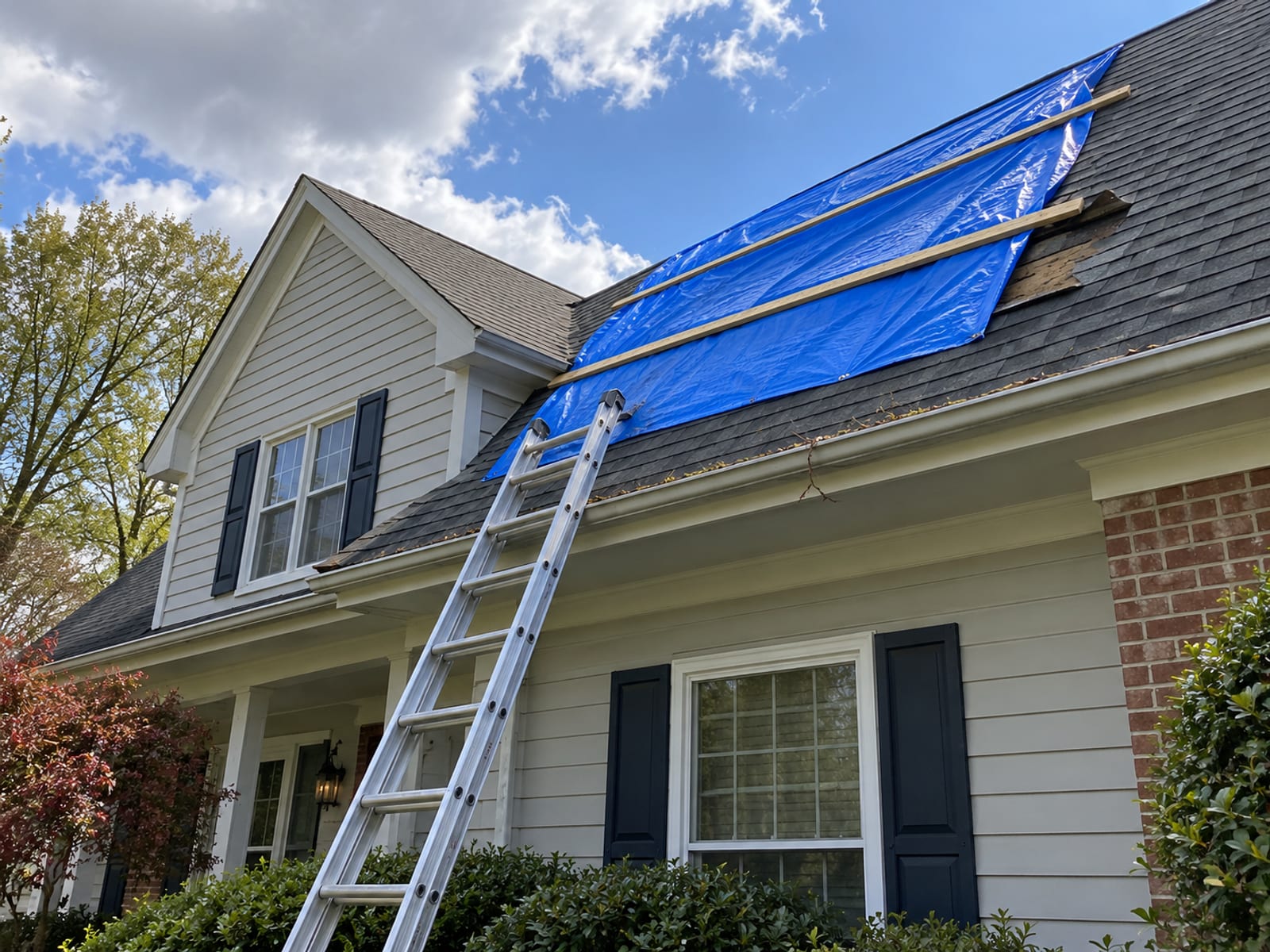
Give your insurer notice right away, protect the property from further damage, keep records and receipts for emergency repairs, make a list of damaged property, and show the damage when the insurer asks, according to the SCC guide (opens in a new tab). The insurer should acknowledge your claim within 10 working days. There is no single deadline for settling every claim, but when the insurer needs more time to investigate, it should explain why every 45 days.
Hover or tap a row to highlight it.
| Rule | Figure | Source |
|---|---|---|
| General cancellation or nonrenewal notice | At least 30 days | Virginia Code § 38.2-2114 (opens in a new tab) |
| Notice for nonpayment | At least 10 days | Virginia Code § 38.2-2114 (opens in a new tab) |
| Request for Commissioner review | Within 10 days of receiving the notice | Virginia Code § 38.2-2114 (opens in a new tab) |
| Claims older than 60 months | Cannot be the sole basis for nonrenewal | Virginia Code § 38.2-2114 (opens in a new tab) |
| Claim acknowledgment | Within 10 working days | SCC Homeowners Insurance Consumer Guide (opens in a new tab) |
| Investigation updates | Every 45 days when more time is needed | SCC Homeowners Insurance Consumer Guide (opens in a new tab) |
Virginia law sets standards for claim handling. Under § 38.2-510 (opens in a new tab), these are unfair claim settlement practices when done often enough to show a general business practice:
- Misrepresenting relevant facts or policy provisions.
- Failing to acknowledge and act reasonably promptly on claim communications.
- Failing to adopt reasonable standards for prompt investigation.
- Refusing to pay claims arbitrarily and unreasonably.
- Failing to affirm or deny coverage within a reasonable time after proof-of-loss statements are complete.
- Failing to try for a prompt, fair and equitable settlement when liability is reasonably clear.
- Failing to give a reasonable explanation for a denial or a compromise offer.
Our article on how to file a homeowners insurance claim walks through the steps from the first call to payment.
How do you check an agent or file a complaint?
Ask any agent for their legal name, agency name, license information and the insurer they represent, then confirm it through the Virginia SCC Bureau of Insurance homeowners page (opens in a new tab) or the Virginia insurance license lookup (opens in a new tab).
If something goes wrong, contact the insurer or agent first and ask for an explanation. If that does not settle it, file a complaint with the Bureau through the SCC complaint page (opens in a new tab), with your policy, letters, notices, claim records and other supporting documents. The Bureau can contact the insurer or agent, review the response for compliance with Virginia law and the policy, share its findings and explain your options.
Questions to ask an agency
- What policy form are you quoting?
- What do the dwelling, other structures, personal property, loss of use, liability and medical payments sections cover, and at what limits?
- Which exclusions apply to flood, surface water, storm surge, earth movement, sewer backup and water backup?
- Is water and sewer backup coverage offered, and what limit and deductible apply?
- Is building ordinance or law coverage offered?
- Is the wind, hail or hurricane deductible a flat amount or a percentage, and what amount is the percentage calculated from?
- Which storm events trigger that deductible?
- What happens if the home is vacant or unoccupied?
- How are damaged or stolen belongings valued?
- What documents do you need after a loss, and how are claims reported and acknowledged?
- Are there fees in addition to commission?
- Who is the insurer, and who handles claims?
- What underwriting or inspection information do you need, and how do credit and claims-history reports affect the application?
- What happens if the insurer declines, cancels or nonrenews the policy, and could Virginia Property Insurance Association coverage be available?
If you are deciding who to work with, see how to choose an insurance agent. Riskado's directory lists insurance agencies across the US, including Virginia, by city and by category.
Check what you know about Virginia homeowners insurance
Frequently asked questions
Does homeowners insurance cover hurricane damage in Virginia?
Windstorm and hail damage is commonly covered by a homeowners policy, but a separate flat or percentage wind or hurricane deductible may apply. Storm surge and flooding are generally excluded and need a separate flood policy.
Can an insurer nonrenew me because I asked a question about my coverage?
No. Under § 38.2-2114 (opens in a new tab), an insurer may not nonrenew solely because of a qualifying inquiry about coverage or policy provisions, and it may not report that inquiry as a claim to a loss-history database.
Can I ask for a review of a cancellation or nonrenewal?
Yes. The notice must tell you that you can ask the Commissioner of Insurance to review the action within 10 days of receiving it, under § 38.2-2114 (opens in a new tab). Keep the notice and send your request quickly.
How quickly should my insurer respond to a claim?
The insurer should acknowledge your claim within 10 working days, according to the SCC guide (opens in a new tab). If it needs more time to investigate, it should explain why every 45 days.
Does an old claim count against me at renewal?
Claims more than 60 months old may not be the sole basis for nonrenewal under § 38.2-2114 (opens in a new tab). Prior claims can still affect underwriting and pricing, so ask the agency how your history is used.
Read your declarations page before the next storm
Your declarations page shows the limits for each section, your regular deductible and any wind or hurricane deductible. Check those against your mortgage requirements, add up what a percentage deductible would mean in dollars, and confirm whether you have flood and water backup coverage before you need them. Keep the policy, renewal notices and photos of the home in one place, so a claim or a review request can move quickly.
Key terms
Tap a term to see what it means.
HO-3. The common homeowners policy form for an owner-occupied house.
Named-peril policy. A policy that covers only the causes of loss it lists.
Open-peril policy. A policy that covers causes of loss unless the policy excludes them.
Endorsement. A change added to a policy, such as water and sewer backup coverage.
Percentage deductible. A deductible figured as a percentage of the dwelling coverage amount.
Nonrenewal. An insurer's decision not to renew a policy at the end of its term.
Virginia Property Insurance Association. Virginia's residual-market facility for basic property insurance.
Declarations page. The page of a policy that lists the coverages, limits and deductibles.