Maryland Flood Insurance: When You Need It, What It Costs, and How to Check Your Flood Map
Riskado
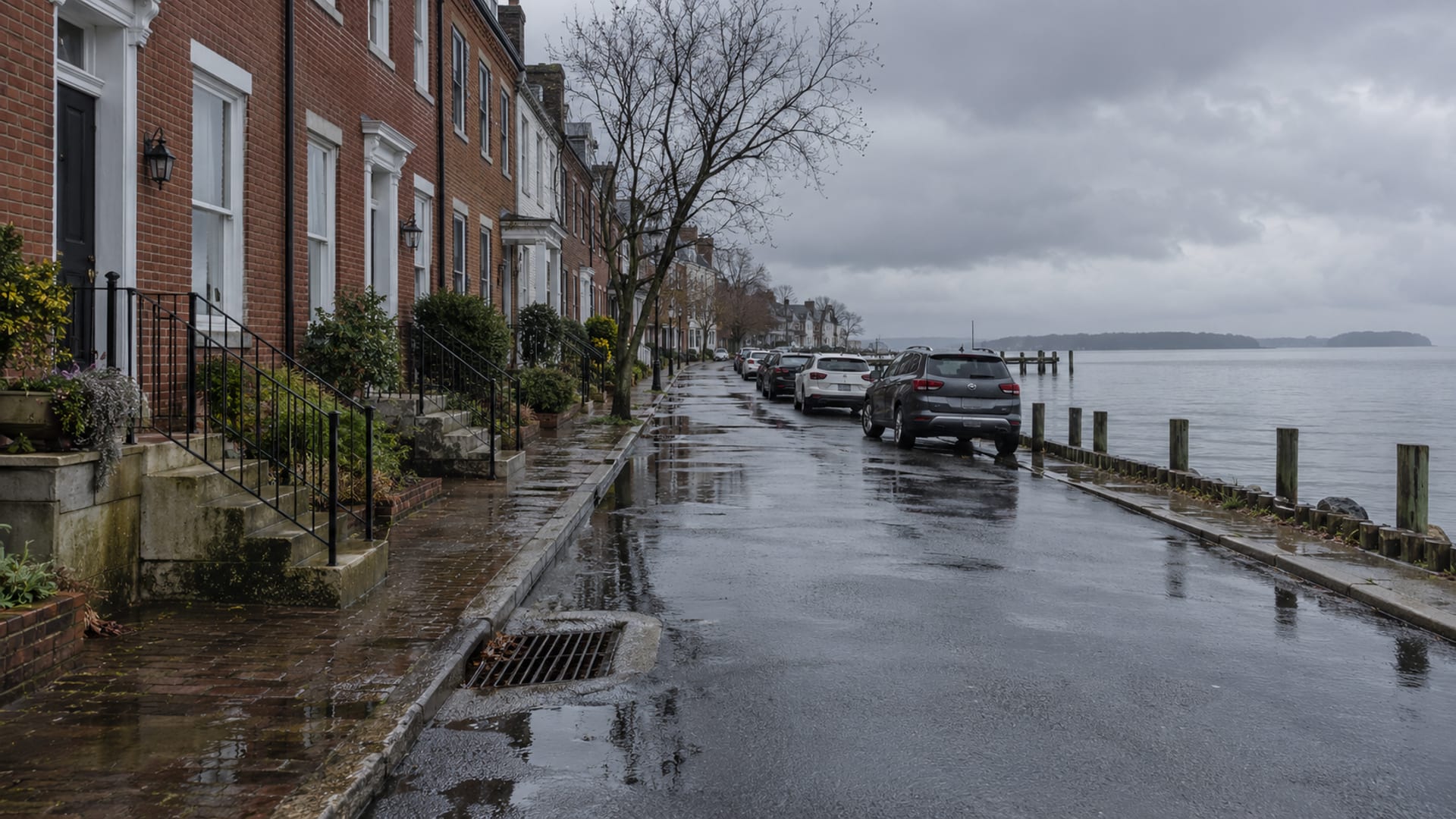
Most standard Maryland homeowners and renters policies do not cover flood damage, according to the Maryland Insurance Administration (opens in a new tab). Flood protection comes from a separate policy, either through the National Flood Insurance Program (NFIP) or a private insurer. If your building sits in a Special Flood Hazard Area and secures a federally backed mortgage, your lender will generally require that policy. Start by searching your address in FEMA's Flood Map Service Center (opens in a new tab). NFIP residential policies pay up to $250,000 for the building and up to $100,000 for contents, and a new policy generally takes 30 days to start (opens in a new tab).
Key takeaways
- Homeowners and renters policiesMost standard Maryland homeowners and renters policies do not cover flood damage.
- Where flood coverage comes fromA separate policy, through the National Flood Insurance Program (NFIP) or a private insurer.
- When a lender requires itWhen the building sits in a Special Flood Hazard Area and secures a federally backed mortgage.
- First stepSearch your address in FEMA's Flood Map Service Center.
- NFIP residential limitsUp to $250,000 for the building and up to $100,000 for contents.
- Waiting periodA new NFIP policy generally takes 30 days to start.
Do you need flood insurance in Maryland?
The legal requirement comes from federal lending rules, not from a blanket state mandate. Under the FEMA NFIP Flood Insurance Manual (opens in a new tab), flood insurance is generally required when three things line up: the building secures a federally backed loan, the building is in a Special Flood Hazard Area, and the lender is subject to the federal mandatory purchase rules. The rule applies when the loan is made, increased, extended, or renewed.
If your home is outside a Special Flood Hazard Area, or you own it without a mortgage, that federal rule may not apply to you. You can still buy coverage, and your loan contract can add its own requirements on top of the federal ones.
Maps also change. When a map update moves a property into a high-risk area, a lender may ask for proof of flood coverage. If you don't provide it, the lender may buy coverage on your behalf and add the cost to your mortgage payment, according to the Maryland Insurance Administration's flood FAQs (opens in a new tab).
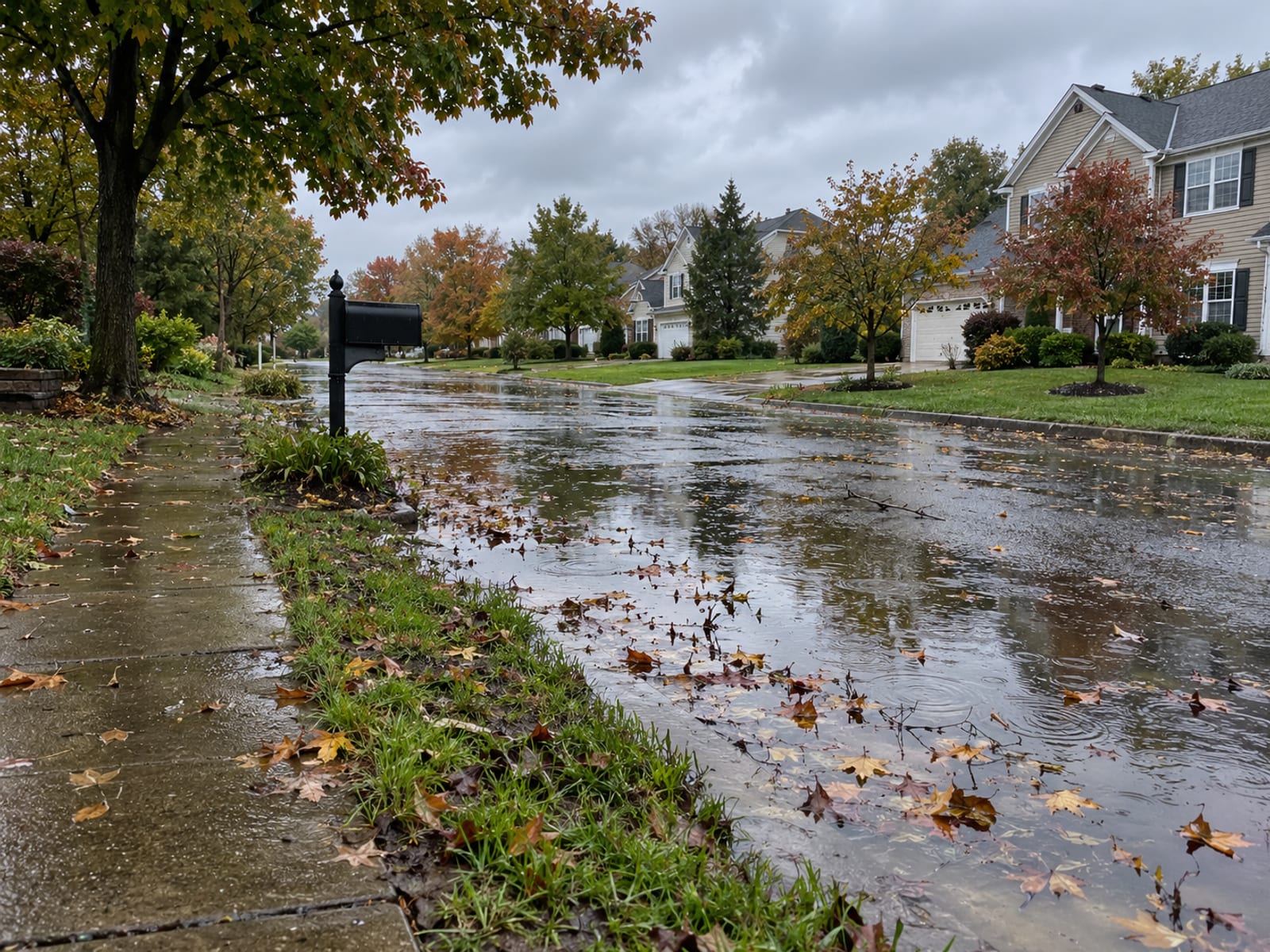
Flooding is also not limited to waterfront addresses. The Maryland Insurance Administration (opens in a new tab) points out that flooding can happen outside high-risk zones and away from bodies of water, so an inland home in Frederick or Howard County deserves the same map check as a house near the Chesapeake Bay or in Ocean City.
Does your homeowners or renters policy cover flood?
Generally, no. Standard homeowners and renters policies leave flood out, and a separate flood policy fills that gap, according to the Maryland Insurance Administration (opens in a new tab).
Renters face a specific version of this. Renters insurance will not cover flood damage to your belongings, and your landlord's flood policy covers the landlord's building, not your property, according to the MIA flood FAQs (opens in a new tab). If you rent and want your furniture, clothing, and electronics protected from flood, ask about a separate contents-only flood policy.
How to check your Maryland flood zone
Two sets of tools show where your address stands.
The first is FEMA's Flood Map Service Center (opens in a new tab). Enter the property address, review the effective flood map for that location, and download the map or determination product that applies. The effective map is the one used for insurance and federal lending requirements.
The second is Maryland's own mapping. Maryland worked with FEMA to build state flood-risk tools showing current 100-year and 500-year floodplains, flood elevations, remapped areas, storm-surge layers, and future sea-level-rise information, according to the Maryland Department of Natural Resources (opens in a new tab). DNR also maintains a coastal flood mapping tool covering current, historic, and future coastal flooding. The Maryland Department of the Environment (opens in a new tab) coordinates floodplain management and NFIP work in the state.
Keep one distinction in mind. Preliminary maps and future-risk layers are useful for understanding where water may go, but they are not necessarily the same as the effective regulatory map your lender uses. Maryland and FEMA have been systematically updating Flood Insurance Rate Maps, so a map you checked a few years ago may not match today's version.
Flood risk in Maryland comes from several directions: coastal storm surge, tidal flooding along the Bay and the Atlantic, rivers overflowing their banks, and heavy rainfall, as the MIA flood basics page (opens in a new tab) describes. Ask whether a FEMA Elevation Certificate exists for the property; starting in 2027, Maryland's seller disclosure form asks about one.

What NFIP flood insurance covers
NFIP coverage is split into two parts, building and contents, and each has its own limit and its own deductible, according to FloodSmart's coverage guidance for agents (opens in a new tab). Buying building coverage does not automatically give you contents coverage.
Hover or tap a row to highlight it.
| Property type | Building limit | Contents limit |
|---|---|---|
| Residential | Up to $250,000 | Up to $100,000 |
| Nonresidential or commercial | Up to $500,000 | Up to $500,000 |
Residential contents claims are generally settled at actual cash value, which accounts for depreciation, rather than the cost of buying everything new, according to the same FloodSmart guidance (opens in a new tab). If the difference between those two settlement methods matters to you, ask an agent how a specific policy values contents.
What NFIP flood insurance does not cover
The exclusions shape what a flood claim can actually pay. Under FloodSmart's coverage guidance (opens in a new tab) and the FloodSmart policy page (opens in a new tab), standard NFIP coverage excludes or limits:
- Personal property kept in basements.
- Additional living expenses, such as temporary housing while repairs happen.
- Financial losses from business interruption.
- Currency, precious metals, and important papers.
- Most vehicles and self-propelled vehicles.
- Outdoor property such as landscaping, septic systems, decks, patios, fences, and swimming pools.
- Earth movement, even when flooding causes it.
- Moisture, mildew, or mold damage that the owner could have avoided.
- Property outside the insured building.
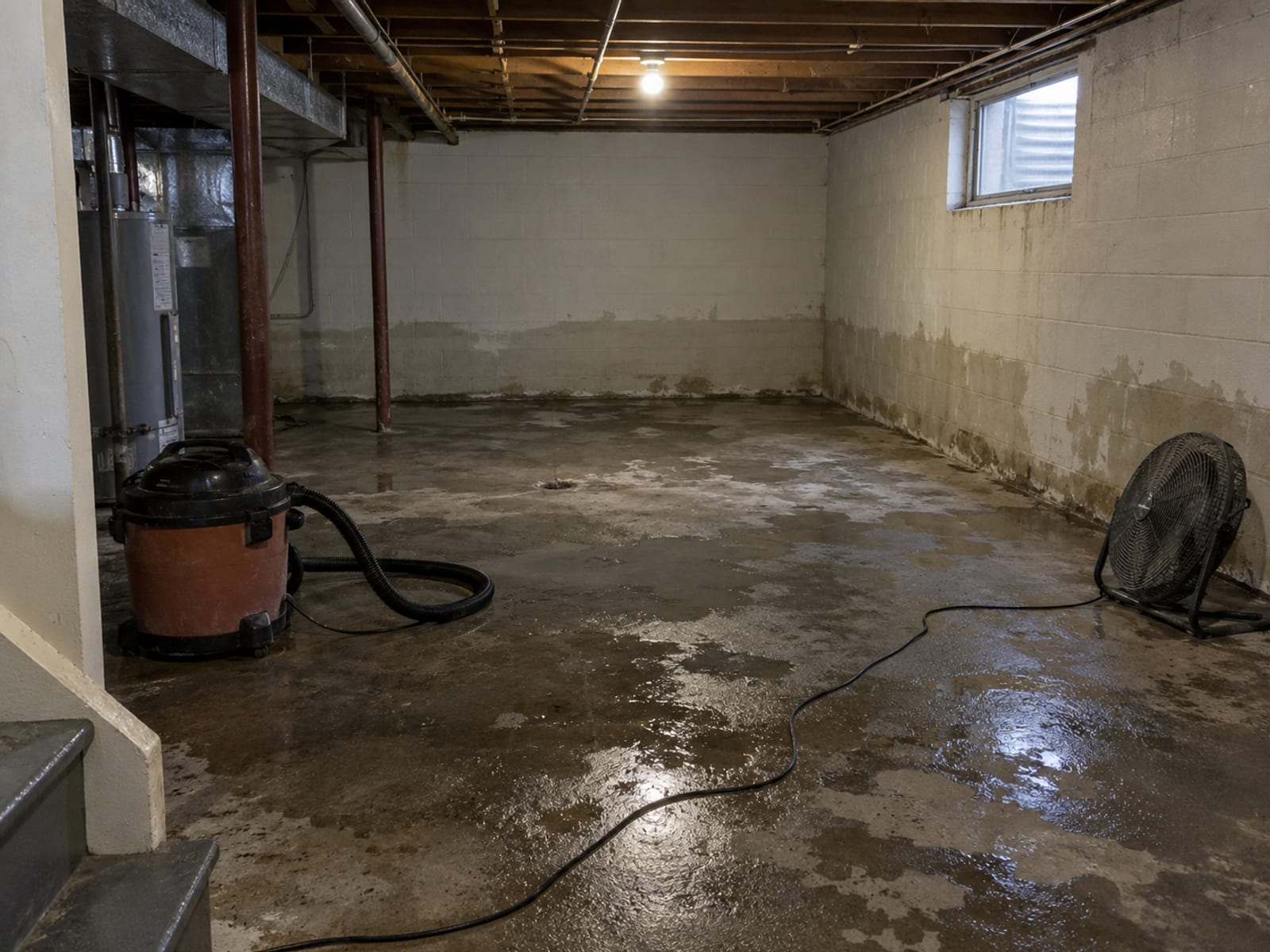
Basement coverage is limited, not absent. Some building equipment in a basement may be covered, while belongings stored there generally are not. The policy wording controls, so ask an agent for the list of basement and below-grade items a policy covers before you rely on it for a finished basement, furnace, or water heater.
How much does Maryland flood insurance cost?
Your price depends on your property, your coverage choices, and your deductibles, so a statewide figure can only give you context. FEMA's April 2025 Maryland state profile (opens in a new tab) reports that about 65,000 NFIP policies were in force in Maryland, while about 2.1 million Maryland properties had no NFIP policy. Over the prior 10 years, the average NFIP claim payout in Maryland was $14,900, compared with an average individual-assistance payout of $3,500 from federal disaster aid.
Hover or tap a row to highlight it.
| Measure | Figure |
|---|---|
| NFIP policies in force in Maryland | About 65,000 |
| Maryland properties with no NFIP policy | About 2.1 million |
| Average NFIP claim payout, prior 10 years | $14,900 |
| Average individual-assistance payout from federal disaster aid, prior 10 years | $3,500 |
For an individual price, use FEMA's property-specific cost tools through FloodSmart (opens in a new tab) or ask an agent for a quote on your address. Communities in FEMA's Community Rating System also receive NFIP premium discounts based on their class.
What changed under Risk Rating 2.0
Risk Rating 2.0 is FEMA's current pricing method. Instead of relying mainly on the flood-zone label, it uses property-specific flood-risk information, according to FEMA's Maryland state profile (opens in a new tab). Two homes in the same zone can therefore have different premiums.
For Maryland, FEMA's analysis found that 99% of current policyholders would see either a decrease or an increase of $20 or less per month. Most policy increases also remain subject to an 18% annual cap under federal law, according to the same FEMA profile (opens in a new tab).
NFIP, private, and excess flood insurance
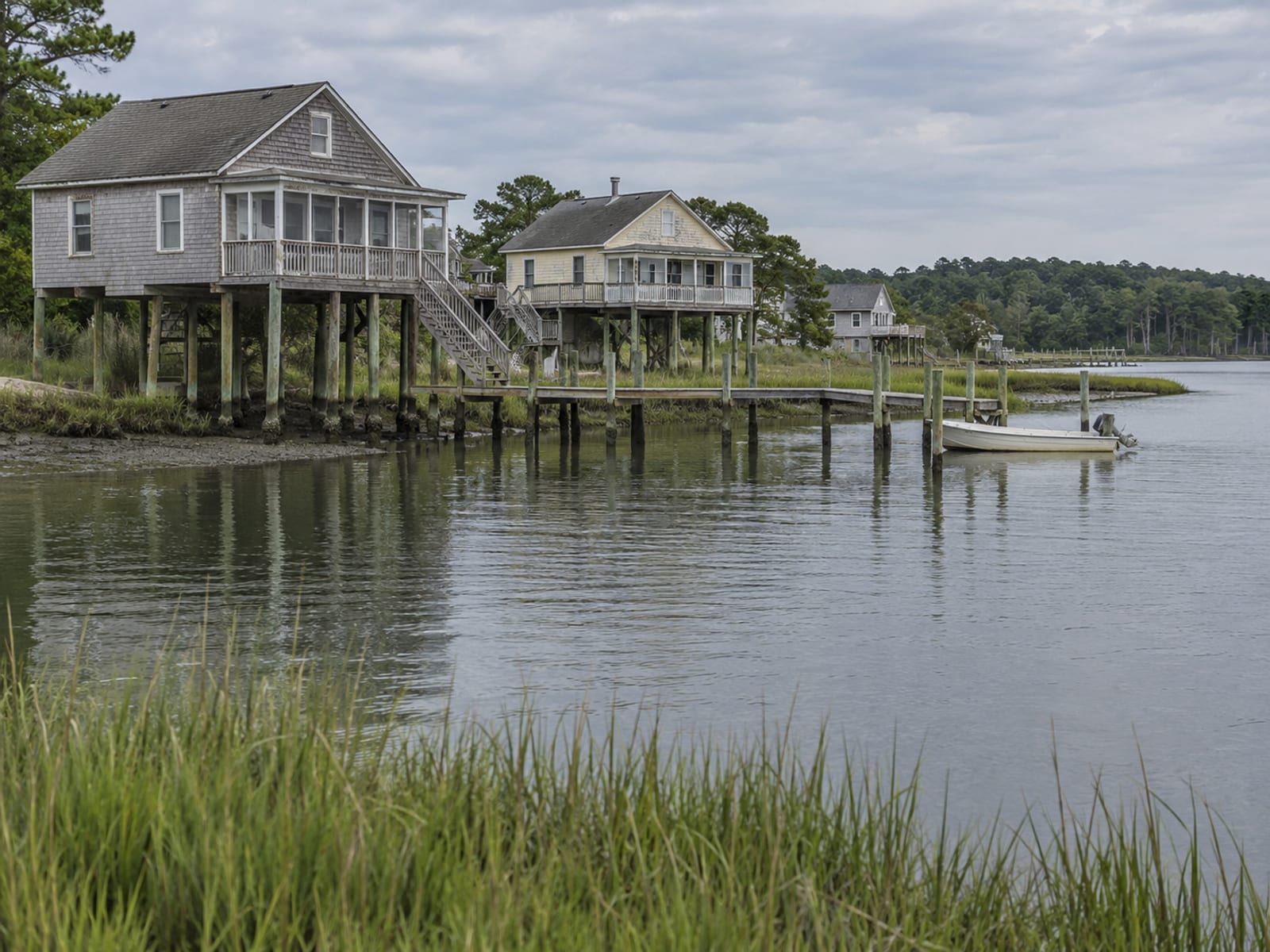
Maryland residents generally have three possible sources of flood coverage, according to the MIA flood basics page (opens in a new tab): the NFIP in participating communities, private flood insurance from authorized insurers, and surplus-lines flood insurance.
Each works differently. If you choose private coverage and have a mortgage, confirm with your lender that the policy satisfies the lender's mandatory-purchase requirement. Surplus-lines insurers are not backed by the Maryland Guaranty Fund, and the Maryland Insurance Administration has limited regulatory authority over them, according to the MIA (opens in a new tab).
If your home is worth more than the $250,000 NFIP building limit, supplemental or excess private flood insurance may be available above NFIP limits, according to FEMA's agent guide (opens in a new tab). Availability, definitions, exclusions, deductibles, lender acceptance, and claims handling all depend on the private policy, so compare those terms side by side.
The NFIP waiting period and its exceptions
A new NFIP policy normally takes effect 30 days after purchase, according to FloodSmart (opens in a new tab). That timing is the reason to buy before a storm is in the forecast rather than after. The NFIP also does not cover a loss already in progress.
FloodSmart lists these exceptions:
- No waiting period when you buy coverage while making, increasing, extending, or renewing a mortgage.
- No waiting period when coverage is changed at policy renewal.
- A one-day wait when your property is newly mapped into a high-risk flood zone and you buy within 12 months of the map update.
- A one-day wait when flooding is caused or worsened by a wildfire on federal land and you buy within 60 days after containment.
What happens if your flood policy lapses
NFIP policies renew annually, and a short grace period follows the expiration date. Once a policy lapses past that point and you need a new one, the 30-day waiting period generally starts over, according to FloodSmart's renewal guidance (opens in a new tab). Ask your agent when the renewal notice will arrive and how much time you have after the expiration date, since a lapse can leave you uninsured right when you need the coverage.
Maryland's new seller flood disclosure law
Starting July 1, 2027, Maryland sellers of residential property improved by four or fewer single-family units must give buyers a completed flood-risk disclosure statement before entering into a contract of sale, under Real Property Article § 10-716 as enacted by Chapter 776 of 2026 (opens in a new tab) (House Bill 200; legislative history on the General Assembly's HB 200 page (opens in a new tab)).
The form must address whether the property is wholly or partly in a Special Flood Hazard Area or a moderate-risk flood hazard area, whether federal law requires the owner to carry flood insurance, known federal disaster assistance for flood damage, whether the seller currently has flood insurance, whether a FEMA Elevation Certificate is available, known flood-damage claims including NFIP claims, and known flood damage, water seepage, or pooled water from natural flooding such as heavy rainfall, coastal storm surge, tidal inundation, or river overflow. Where applicable, the seller must also provide an available Elevation Certificate, an accounting of money received from flood-damage claims, and the number of flooding events on the property.
Several transactions are excluded, including certain never-occupied new homes, specified tax-exempt transfers, lender foreclosure sales, sheriff's and tax sales, fiduciary transfers, conversions to nonresidential use, and sales of unimproved land.
The statute covers residential sales, not rentals. If you are renting, ask the landlord or property manager directly about flood history, prior claims, and whether the building carries flood insurance.
Maryland communities with Community Rating System discounts
FEMA's Community Rating System rewards communities for floodplain management with NFIP premium discounts. Classes run from Class 1, with a 45% discount, to Class 10, with no discount, according to the FEMA CRS brochure (opens in a new tab). FEMA's CRS community list effective October 1, 2022 (opens in a new tab) includes these Maryland communities:
Hover or tap a row to highlight it.
| Community | CRS class | Discount in SFHA | Discount outside SFHA |
|---|---|---|---|
| Baltimore City | 5 | 25% | 10% |
| Bel Air | 6 | 20% | 10% |
| Calvert County | 8 | 10% | 5% |
| Caroline County | 7 | 15% | 5% |
| Carroll County | 7 | 15% | 5% |
| Cecil County | 7 | 15% | 5% |
| Dorchester County | 6 | 20% | 10% |
| Frederick City | 7 | 15% | 5% |
| Harford County | 7 | 15% | 5% |
| Havre de Grace | 7 | 15% | 5% |
| Howard County | 6 | 20% | 10% |
| Laurel | 7 | 15% | 5% |
| North Beach | 10 | 0% | 0% |
| Ocean City | 6 | 20% | 10% |
| Oxford | 7 | 15% | 5% |
| Prince George's County | 5 | 25% | 10% |
| Talbot County | 7 | 15% | 5% |
Classes can change, so ask your agent which class applies to your community on the current policy.
How to file a Maryland flood claim
A flood claim moves faster with good records. FEMA's NFIP claims manual (opens in a new tab) and the Maryland Insurance Administration's after-a-loss guidance (opens in a new tab) point to the same steps:
- Contact your NFIP insurer, agent, or servicing company promptly.
- Photograph and video the damage before removing damaged property, when it is safe.
- Build an inventory of damaged contents.
- Keep receipts, invoices, estimates, repair records, and cleanup documentation.
- Keep samples or photos of damaged materials when they matter to the claim.
- Submit a signed and sworn Proof of Loss with supporting documents.
The Proof of Loss includes the date and time of loss, how it happened, your ownership interest, other insurance, repair estimates, mortgage or lien information, occupancy, and the inventory. It is generally due within 60 days after the loss unless FEMA grants an extension, according to the FEMA claims manual (opens in a new tab).
If you have questions or a complaint, the Maryland Insurance Administration can help at 800-492-6116, and its Property and Casualty complaint line is 410-468-2340, according to the MIA post-disaster page (opens in a new tab).
Questions to ask an agent and your lender
Bring these questions to an agent or your lender:
- Is this policy NFIP, private, or surplus lines?
- Does it include building coverage, contents coverage, or both, and are the deductibles separate?
- What are the limits, and how are contents settled?
- Which basement and below-grade items are covered?
- Are temporary housing, business interruption, vehicles, decks, septic systems, and outdoor property excluded?
- When does coverage start, and does a waiting-period exception apply?
- What happens if the policy lapses?
- Does a private policy satisfy my lender's mandatory-purchase requirement?
- Is excess coverage available above NFIP limits?
- Is a FEMA Elevation Certificate available or needed?
- How does the policy define flood, sewer backup, storm surge, and water seepage?
- Which company handles the claim, and what will the Proof of Loss require?
- Does my community participate in the CRS, and what class applies?
Riskado's directory lists insurance agencies across the US, including Maryland agencies by city and by category, so you can find someone to take these questions to.
Check what you know about Maryland flood insurance
Frequently asked questions
Can I buy flood insurance after a storm is forecast?
You can buy it, but a new NFIP policy generally does not take effect for 30 days, and it does not cover a loss already in progress. Exceptions apply for certain mortgage transactions and newly mapped high-risk properties, according to FloodSmart (opens in a new tab).
Does NFIP pay for a hotel while my home is repaired?
No. Standard NFIP coverage does not include additional living expenses or temporary housing, according to FloodSmart (opens in a new tab). Ask an agent whether a private policy includes that coverage.
Can a Maryland renter buy flood insurance?
Yes. A renter can buy contents-only flood coverage, with NFIP residential contents limits up to $100,000, according to the MIA flood FAQs (opens in a new tab). The landlord's flood policy does not cover a tenant's belongings.
Do Maryland landlords have to disclose flood history?
The new disclosure statute in Chapter 776 (opens in a new tab) applies to covered residential sales, not leases. Ask the landlord directly about past flooding, prior claims, and the building's flood coverage before you sign.
What if my lender buys flood insurance for me?
If a lender requires coverage and you don't provide proof, it may place coverage and add the cost to your mortgage payment, according to the MIA flood FAQs (opens in a new tab). Ask the lender which policy forms it accepts so you can compare its placed coverage with a policy you buy yourself.
Getting started
Check your address on the FEMA map, look at Maryland's state flood tools, and confirm with your lender what it requires. Then take the questions above to an agent who writes NFIP or private flood coverage, and buy early enough that the 30-day wait is behind you before the next storm season.
Terms used in this guide
Tap a term to see what it means.
National Flood Insurance Program (NFIP). The federal program that sells flood insurance in participating communities.
Special Flood Hazard Area. A high-risk flood area on FEMA's maps; a building there that secures a federally backed mortgage generally needs flood insurance.
Flood Insurance Rate Map. The FEMA map used for insurance and federal lending requirements.
Elevation Certificate. A FEMA document about a building's elevation that Maryland's seller disclosure form asks about.
Risk Rating 2.0. FEMA's current NFIP pricing method, which uses property-specific flood-risk information.
Community Rating System (CRS). A FEMA program that gives NFIP premium discounts to communities for floodplain management.
Surplus lines. Insurance from insurers that are not backed by the Maryland Guaranty Fund and that the Maryland Insurance Administration regulates only in limited ways.
Proof of Loss. The signed and sworn statement of a flood loss, generally due within 60 days after the loss.